Inside Tennis’s Booming Influencer Economy
Wimbledon's strategy involves collaborating with creators outside the traditional tennis sphere, such as those in fashion and food, to tap into growth markets like India. According to Giles, targeting less conventional creators can be more effective for reaching new audiences in regions where Wimbledon already has strong recognition.
Giles emphasizes that preserving Wimbledon's heritage does not preclude embracing change. "Wimbledon is an incredibly traditional event, but it embraces innovation as much as possible," he states. "This event turns 150 next year, but we are very cognizant of the need to evolve with the times."
However, there's a fine line in optimizing tournaments for content creation without diminishing the genuine experience that creators aim to capture. Georgy warns, "The risk is that the tournament starts to feel like a backdrop for content rather than the reason everyone is there." When executed effectively, creators can enhance tennis's contemporary appeal and accessibility, provided their content authentically reflects each tournament's unique identity.
This delicate balance is also crucial for brands. The cultural cachet they seek to acquire depends on the tournament maintaining a distinct identity, giving the association genuine value. If all Grand Slams become mere hospitality venues, the perceived value of access diminishes.
What is all this attention worth?
Quantifying the return on investment for brands investing heavily in creator campaigns within tennis can be challenging. MacGowan notes that brands track metrics like earned media value, impressions, and engagement. Georgy highlights a more comprehensive evaluation, including content performance, cultural relevance, and relationship building.
Data from UTA indicates that sponsored content associated with the US Open can surpass the performance of broader creator campaigns. Their Creators data team reports that creator-sponsored US Open content achieves 48% more impressions than typical sponsored content. MacGowan explains that brands often approach tournament activations primarily as a means to build awareness and create an association with the event's surrounding lifestyle.
Georgy adds that brands assess a wider array of outcomes: "Did the content travel, did it feel premium, did people talk about it, did it help the brand show up in the right cultural context?" Some of the value might not be evident in engagement reports. "Sometimes the relationships built in the suite are just as important as what gets posted publicly," she concludes.
For tournaments, the assessment is different but equally complex. Tennis Australia measures impressions, engagement, and sentiment, according to Stewart. Their overarching goal is to determine if creators inspire new viewers to watch tennis, attend events, or take up the sport. The USTA shares this objective, granting access to individuals whose audiences extend far beyond the tennis community.
As the value of this attention escalates, so does the impetus to control commercial exploitation. At the US Open, MacGowan mentions that brands purchasing suites or tickets without being official partners may face limitations on using tournament intellectual property in sponsored creator content. This can compel companies to focus campaigns on tennis-adjacent moments, such as "get ready with me for a tennis tournament," and creators have reportedly had to remove content featuring protected US Open imagery.
Fresh materials — Combat Sports News
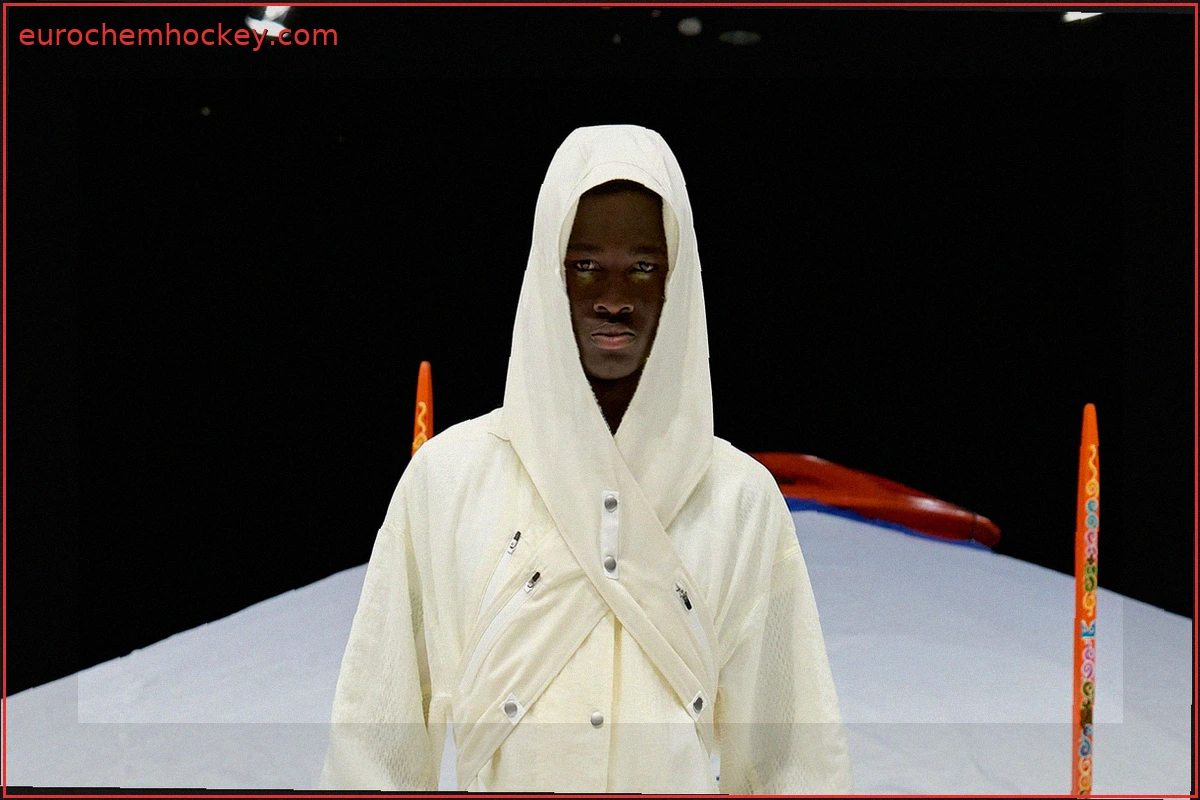
Yoshio Kubo Tokyo Spring 2027
Yoshio Kubo's Spring 2027 collection in Tokyo offers a compelling interpretation of contemporary womanhood, harmoniously merging striking architectural forms with gracefully flowing, delicate materials. The designer skillfully balances power and tenderness, crafting a wardrobe that is simultane
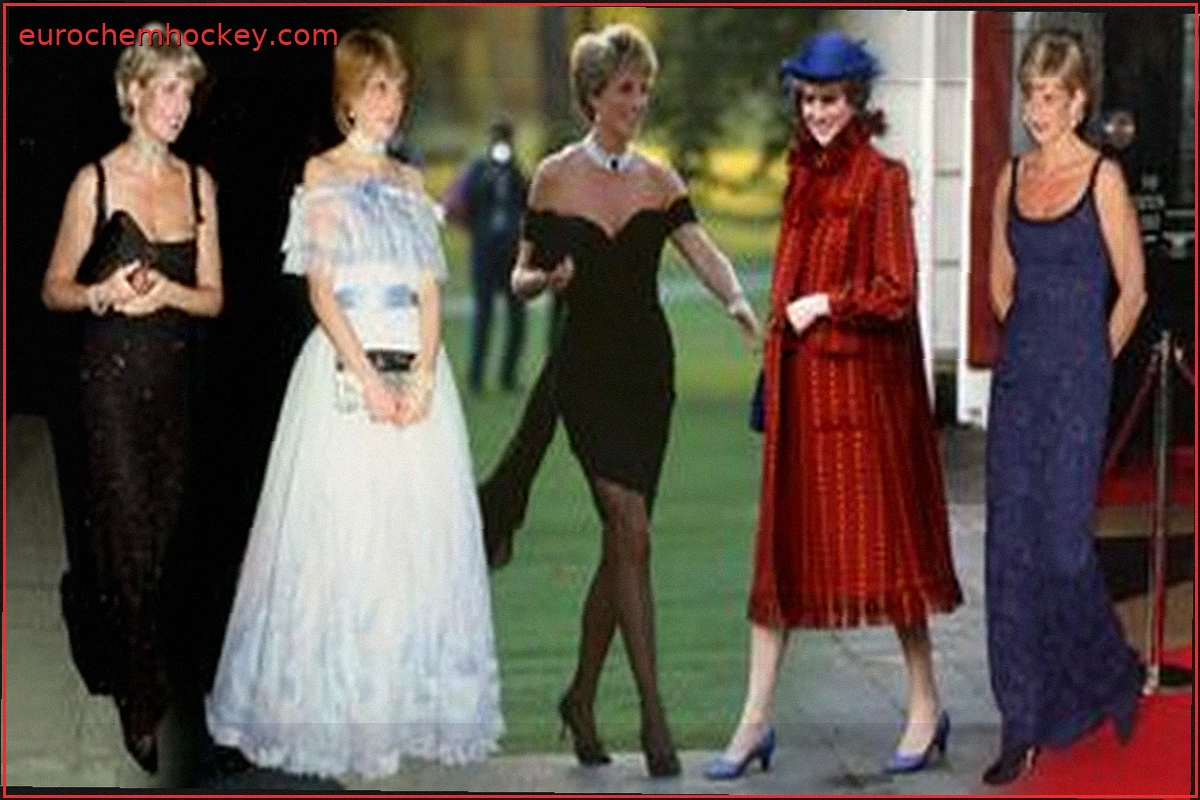
Princess Diana's Fashion Evolution Epitomized Royal Glamour
Princess Diana's style journey was nothing short of iconic. Even decades after her untimely passing, her influence on fashion remains undeniable. On what would have been her 63rd birthday, the Princess of Wales continues to inspire millions not only through her humanitarian efforts but
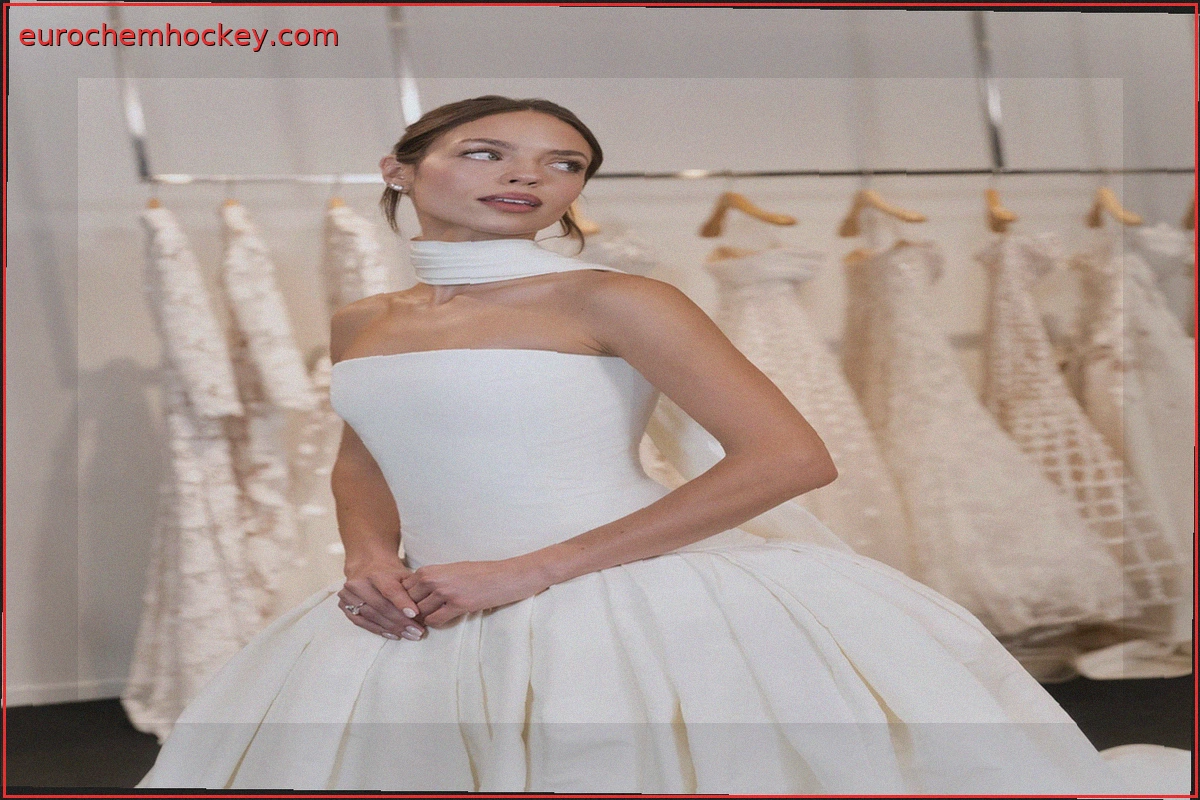
Claudia Sulewski and Finneas Tie the Knot: A Look at the Bride's Final Oscar de la Renta Fitting
The moment has arrived to unveil the captivating after-party dress, a choice inspired by a distinct era in Oscar de la Renta's rich history. Claudia drew inspiration from the playful, festive designs that graced the runway in the early 2000s, models like Gisele Bündchen having previous
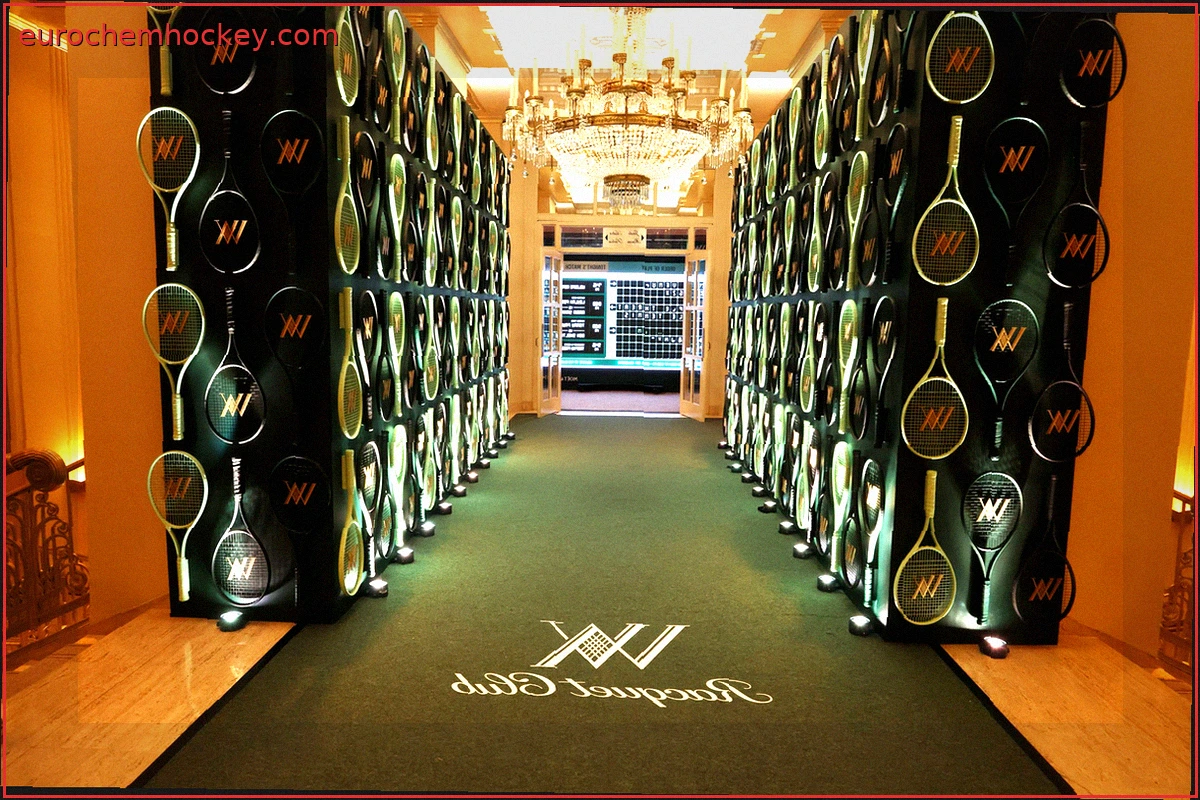
A Private Tennis Lesson From Stan Wawrinka Inside The Waldorf Astoria Ballroom
The tennis matches concluded with Fernandez narrowly defeating Sakkari in a mini-tiebreak, 6-5, and Paul overcoming the powerful serve of Shelton, 6-2. Former professional Sam Querrey provided amusement as the chair umpire, while Andy Roddick, the last American man to win the US Open

Kendall Jenner's Newest Accessory: Finn the Dachshund
Kendall Jenner, known for her impeccable taste in minimalist fashion, particularly from The Row, has added a new, undeniably cute accessory to her collection: a wire-haired dachshund named Finn. While her handbag and hat game is legendary, rivaled only by Jennifer Lawrence and Zoë Kra

Best Beauty Moments of the Week
This week's top beauty highlights capture the essence of late summer with a focus on soft pastels, luminous highlights, and a natural, rosy blush inspired by summer gardens. Rose Gray dazzled at the All Points East festival with her cheeks adorned in dazzling glitter, and Lady Gaga showcased t