Reality Self Defense vs. Martial Arts vs. Boxing
The term "self-defense" is often used broadly in fitness and martial arts circles, encompassing everything from boxing gyms to karate schools and MMA facilities. While training in any combat discipline—striking, footwork, or conditioning—can indeed make you more resilient, there's a significant distinction between general martial arts training or combat sports and specialized Reality-Based Self Defense (RBSD).
Understanding these differences is crucial when deciding where to invest your time and effort in self-protection training.
Rules Define the Game
Every martial art and combat sport, including boxing, kickboxing, Muay Thai, Brazilian Jiu-Jitsu, and karate, operates within a defined set of rules. These rules often dictate which techniques are permissible; for instance, many boxing styles prohibit grappling, while grappling-focused disciplines may restrict striking. Movements are typically optimized for one-on-one combat, and certain techniques are banned for safety reasons. Critically, combat sports competitions never involve multiple opponents.
Reality self-defense, on the other hand, discards this structured framework. It is not designed for competition, scoring, or an opponent who adheres to any rules. RBSD systems are not a hobby or a sport; they do not involve tournaments or competitive combat events. Every technique taught is purely utilitarian, devoid of ceremony or tradition. The ultimate objective is not to win a scorecard but to ensure your safe return home.
Beyond physical techniques, RBSD training incorporates psychological and tactical understanding of real-world situations, re-engineering common scenarios for effective practice.
Competitive Outcomes Highlight the Disparity
Boxing is widely respected as a fundamental striking art, and for good reason. However, it is fundamentally a sport designed for the ring. Its highly refined toolkit consists of the jab, cross, hook, and uppercut. Boxers dedicate extensive time to mastering these techniques, making their offensive capabilities transferable to street scenarios. Essential skills like footwork, distance management, and head movement are indeed valuable in any physical confrontation.
The complexity arises when considering what boxing and other combat sports do not train for. Disciplines like kickboxing, boxing, and MMA are structured around weight classes, timed rounds, protective gear, and rules that limit strikes to specific areas, clinch work, and ground fighting. None of these elements are present in an actual assault. In a real confrontation, there are no hand wraps, padded gloves, or referees. Furthermore, situations can involve multiple attackers, weapons, or unpredictable environments. This stark contrast underscores why sport-specific training and street-ready training are not interchangeable, even if the punches appear identical.
Reality Self Defense Prepares for Chaos, Not Competition
Reality-based programs are founded on a different premise: your attacker will not respect a rulebook. Sport martial arts train for competition against a skilled opponent following agreed-upon rules. In contrast, self-defense training must prepare you for an unpredictable attack from someone who may be untrained but dangerous. These encounters often occur without warning, in poor lighting, or on uneven terrain. This fundamental difference shapes every aspect of the training, from drills and environment to stress levels and even the clothing worn during practice.
An authentic reality self-defense program extends beyond physical techniques. It necessarily includes discussions on the legal aspects of using force, emphasizing that the level of force must be proportionate to the threat. Employing excessive force can legally transform a victim into an aggressor—a crucial consideration that boxing classes or sparring sessions typically do not address, and a point often overlooked in many self-defense programs.
A Necessary Word of Caution
It is important to state clearly that not everything marketed as "reality-based" lives up to its claims. Critics within the martial arts community have noted that RBSD programs often draw heavily from traditional martial arts techniques. The founders of RBSD systems typically originate from conventional martial arts backgrounds, meaning the label alone is not a guarantee of effectiveness. The true differentiator is not the name of the establishment but whether the program genuinely trains individuals under stress, against uncooperative resistance, and in scenarios that mirror the real world outside the gym, which is a stark contrast to the controlled environment of a ring.
Where This Leaves You
This distinction does not render boxing, kickboxing, or traditional martial arts ineffective for self-protection. On the contrary, the conditioning, reflexes, ability to remain composed under duress, and fundamental understanding of distance and power can all be beneficial in a self-defense situation. However, if your primary objective is to prepare for a worst-case, no-rules scenario, you require training specifically designed for such circumstances. You cannot assume that ring skills will automatically translate.
Your specific situation will dictate your tactics. There is no simple escape from a dangerous situation, but you can equip yourself with the experience of training your mind and body to react effectively against force or threats. This is the essence of reality-based self-defense.
Reality Self Defense vs. Martial Arts vs. Boxing: A Comparative Translation
Reality Self Defense vs. Martial Arts vs. Boxing: Understanding the Differences
The term "self-defense" is often used as a broad umbrella by many seeking martial arts training. Boxing gyms, karate schools, and MMA gyms all employ this term. While there's truth to it—striking, footwork, and conditioning from any combat discipline will make you more resilient—there's a genuine, meaningful difference between training in a martial art or combat sport and training in what is specifically called Reality-Based Self Defense (RBSD). Understanding what separates them is key when deciding where to focus your efforts.
Rules Change Everything
Every martial art and combat sport (boxing, kickboxing, Muay Thai, BJJ, karate) operates within a rule set. Techniques are adapted to strict rules; for example, most boxing styles disallow grappling, while most grappling styles limit striking. Movements are built around one-on-one combat, and certain techniques are banned for safety. Multiple opponents are never a factor in combat sports competition.
Reality self-defense discards this structure. It's not designed for competition, scoring, or an opponent playing by the same rules. RBSD systems are not hobbies or sports; they don't participate in tournaments. Every action taught must be utilitarian, with no room for ceremony or tradition. The goal isn't a win on a scorecard but getting home safe.
Beyond physical techniques, it includes psychological and/or tactical understanding of real-world situations and re-engineering common scenarios for training.
Any Sport with a Winner or Loser Exemplifies the Gap
Boxing is a highly respected striking base for good reason, but it's still built for the ring. The sport has a small, refined toolkit: the jab, cross, hook, and uppercut. Boxers spend immense time honing these tools, and their offense translates well to the street. Footwork, distance control, and head movement are genuinely useful skills anywhere.
Where it gets complicated is what boxing doesn't train for. Kickboxing, boxing, and UFC are built around weight classes, timed rounds, protective gloves, and rules restricting strikes, clinch work, and ground fighting. None of these occur in an actual assault. In a real confrontation, there are no hand wraps, padded gloves, or referees. The situation might involve multiple attackers, weapons, or uneven terrain. Thus, sport-specific training and street-ready training are not the same, even if the punches look identical.
Reality Self Defense Trains for Chaos, Not Competition
Reality-based programs start with the assumption that your attacker won't respect a rulebook. Sport martial arts train for competition against a skilled opponent following agreed rules. Self-defense training must prepare you for an unpredictable attack from someone potentially untrained but dangerous. There may be no warning, poor lighting, or uneven ground. This difference shapes training—the drills, environment, stress level, and even clothing.
An honest reality self-defense program must go beyond physical technique. Real self-defense discussions inevitably touch upon the legalities of using force, as the level of force must be proportional to the threat. Excessive force can turn a victim into an aggressor in the eyes of the law. This isn't taught in boxing classes or sparring sessions, and many self-defense programs skip it too.
A Fair Word of Caution
It’s worth stating plainly: not everything marketed as “reality-based” delivers. Critics within the martial arts world point out that RBSD programs are often built from traditional martial arts techniques. The founders of RBSD systems draw knowledge from a conventional martial arts base, so the label alone isn't a quality guarantee. The real differentiator is not the name, but whether the program trains you under stress, against non-compliant resistance, and in scenarios mirroring the world outside the gym, which is very different from a ring.
Where This Leaves You
None of this makes boxing, kickboxing, or traditional martial arts pointless for self-protection. Quite the opposite. The conditioning, reflexes, ability to stay calm while being hit, and fundamentals of distance and power can transfer to self-defense situations. But if your specific goal is preparing for a worst-case, no-rules scenario, you need training built specifically for that. You cannot assume ring skills will automatically carry over.
Your situation will dictate your tactics. There's no easy way out of a dangerous situation, but you can equip yourself with experience training your mind and body to act against force or threats. That's reality-based self-defense.
Fresh materials — Combat Sports News
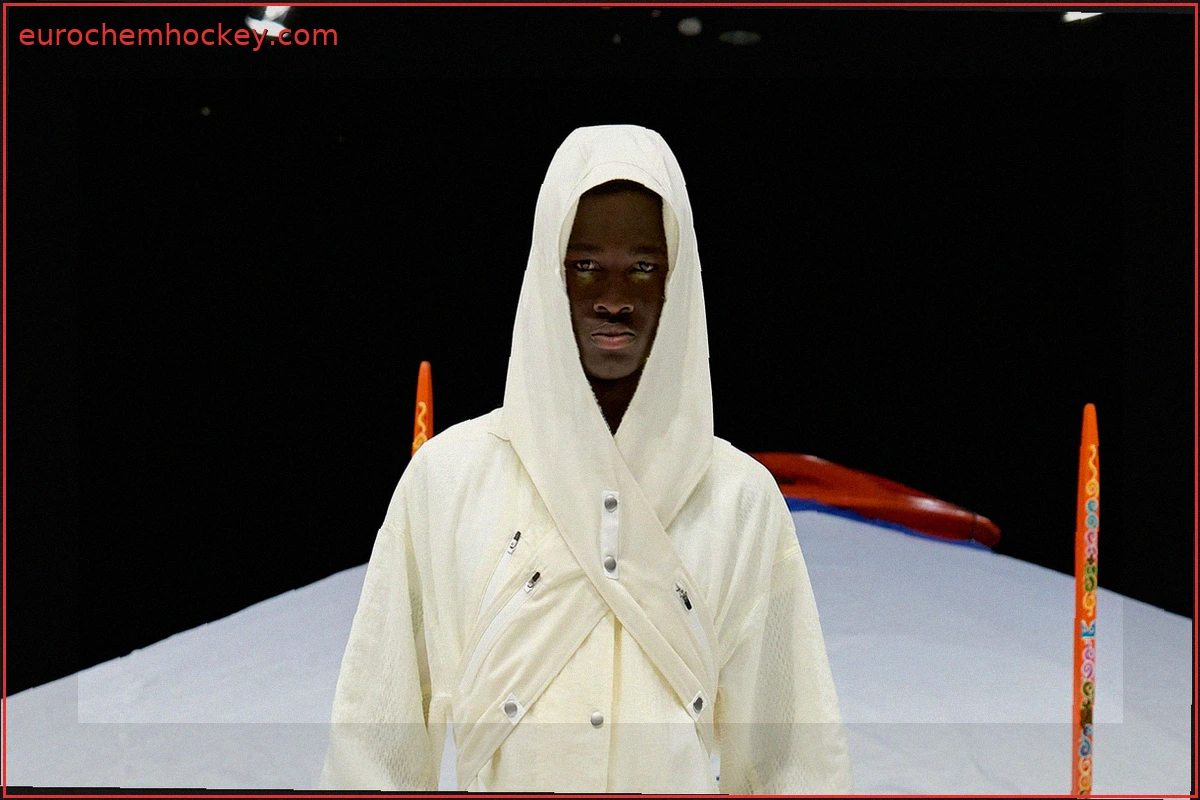
Yoshio Kubo Tokyo Spring 2027
Yoshio Kubo's Spring 2027 collection in Tokyo offers a compelling interpretation of contemporary womanhood, harmoniously merging striking architectural forms with gracefully flowing, delicate materials. The designer skillfully balances power and tenderness, crafting a wardrobe that is simultane
Princess Diana's Fashion Evolution Epitomized Royal Glamour
Princess Diana's style journey was nothing short of iconic. Even decades after her untimely passing, her influence on fashion remains undeniable. On what would have been her 63rd birthday, the Princess of Wales continues to inspire millions not only through her humanitarian efforts but

Claudia Sulewski and Finneas Tie the Knot: A Look at the Bride's Final Oscar de la Renta Fitting
The moment has arrived to unveil the captivating after-party dress, a choice inspired by a distinct era in Oscar de la Renta's rich history. Claudia drew inspiration from the playful, festive designs that graced the runway in the early 2000s, models like Gisele Bündchen having previous

A Private Tennis Lesson From Stan Wawrinka Inside The Waldorf Astoria Ballroom
The tennis matches concluded with Fernandez narrowly defeating Sakkari in a mini-tiebreak, 6-5, and Paul overcoming the powerful serve of Shelton, 6-2. Former professional Sam Querrey provided amusement as the chair umpire, while Andy Roddick, the last American man to win the US Open

Kendall Jenner's Newest Accessory: Finn the Dachshund
Kendall Jenner, known for her impeccable taste in minimalist fashion, particularly from The Row, has added a new, undeniably cute accessory to her collection: a wire-haired dachshund named Finn. While her handbag and hat game is legendary, rivaled only by Jennifer Lawrence and Zoë Kra

Best Beauty Moments of the Week
This week's top beauty highlights capture the essence of late summer with a focus on soft pastels, luminous highlights, and a natural, rosy blush inspired by summer gardens. Rose Gray dazzled at the All Points East festival with her cheeks adorned in dazzling glitter, and Lady Gaga showcased t