New Tariff Walls in U.S.-Canada Trade: Economic Implications for Critical Metals
The escalating trade dispute between the U.S. and Canada, marked by significant reciprocal tariffs, is prompting businesses, economists, and investors to reassess economic volatility. The U.S. has imposed a 50% tariff on various Canadian goods, leading to Canada's retaliatory tariffs of $20 billion on over 700 U.S. products, effective September 8th. These tariffs range from 15% to 50% and target a broad spectrum of imports, including dairy, seafood, appliances, wood, paper, and clothing.
Initially, steel and materials stocks saw a surge following the breakdown of trade talks, with companies like Nucor, Steel Dynamics, Cleveland-Cliffs, and Century Aluminum experiencing price increases. The VanEck Steel ETF (SLX) rose 1.6% and the State Street Materials Select Sector SPDR (XLB) reached an intraday all-time high. However, this rally proved short-lived, with both ETFs ending the trading week in negative or flat territory. Despite this, both ETFs have shown strong year-to-date performance, outperforming the S&P 500.
Uncertainty remains the prevailing sentiment, as noted by Atsi Sheth, chief credit officer at Moody's Ratings. The impact of these tariffs is complex, particularly in highly integrated sectors like the automotive industry, where components frequently cross the border during production. Sheth suggests that U.S. steel companies may see some benefit due to the larger domestic market, while the auto sector faces no clear winners. "The auto sector, there are no winners. Steel ... U.S. has a little edge," Sheth stated.
Angelo Kourkafas, senior global investment strategist at Edward Jones, described the tariffs as a "meaningful but manageable headwind" that affects both sides of the border, increasing costs for U.S. manufacturers, including those in the auto and construction sectors.
According to Kyle Mohrbach, senior executive for North America automotive at o9 Solutions, the most vulnerable components and materials are those sourced from Canada, single-sourced, difficult to substitute, or essential for continuous assembly line operations. This includes steel, stampings, powertrain components, braking systems, electronics, and specialized subassemblies in the automotive sector.
The Illusion of Short-Term Trade War Winners
Scott Beaulier, dean of the College of Business and professor of economics at the University of Wyoming, differentiates between stock market gains and actual business benefits. While tariffs can create an immediate price advantage for domestic steel and aluminum producers, sustained success requires domestic capacity, secure input sources, and customers with limited substitution options. He points out that the U.S. remains heavily reliant on aluminum imports, with Canada being a significant supplier, and building new smelter capacity is a lengthy and capital-intensive process.
Beaulier cautions against interpreting initial stock price increases in metals as a sign of broad economic gains, as tariffs can simultaneously raise prices for U.S. producers and input costs for manufacturers that use these materials.
Companies are actively adjusting to this volatile landscape. Melissa Irmen, director of advocacy for the National Association of Foreign-Trade Zones, notes that supply chains and sourcing decisions are already being altered. Foreign-trade zones offer companies a way to defer or avoid tariffs on imported materials under certain conditions. Irmen suggests that the ongoing uncertainty might lead companies to permanently restructure their supply chains rather than seeking temporary tariff avoidance.
"All of the tariff uncertainty will permanently change the landscape. Companies are not able to make the fast decisions required for the tariff changes. Supply chains don't work that way," Irmen commented, advising members to adopt a long-term perspective.
Supply Chain Dynamics vs. Border Geography
Experts emphasize that quick positive market reactions, such as those seen in steel stocks, should be viewed with caution. Dan Luttner, managing partner at NEOS by Argon & Company, explains that stock price jumps for mills are often a direct response to repricing based on replacement costs following tariff imposition. The critical question, he argues, is not who benefits immediately, but rather which companies have control over their supply chains within the tariff walls.
Luttner highlights that companies like Nucor and Cleveland-Cliffs, which utilize electric arc furnaces and integrated capacity that avoids Canadian ore, may maintain a structural price advantage. However, the performance of these companies can vary, with Nucor showing significant gains while Cleveland-Cliffs faces balance sheet stress. Century Aluminum's situation is complicated by U.S. reliance on Canadian alumina and semi-finished products, meaning its benefits are not entirely immune to cross-border friction.
Metals plays like Freeport-McMoRan, a significant holding in the XLB ETF, are also part of a different narrative. Its performance is driven by copper and critical minerals policy and the AI boom, rather than the direct impact of U.S.-Canada tariffs.
Luttner views the border as an integral part of the supply chain, not just a geographical line. The integrated North American steel and aluminum system has been in place for decades, with metals crossing the border multiple times for finishing and incorporation into final products. Tariffs compound with each crossing, making it crucial for companies to meticulously analyze their bills of materials to identify where products cross the border more than once.
This situation distinguishes the current trade dispute from supply chain disruptions related to geographical constraints, such as the Strait of Hormuz. Luttner explains that policy-driven disruptions like these involve a slow reallocation process that takes 12 to 24 months of capital investment and requalification. The true impact lies with manufacturers who had already de-risked their supply chains prior to the recent tariff escalations.
Moody's Sheth's rating agency will closely monitor the performance of heavy manufacturing, steel, and aluminum sectors. While larger companies may be better equipped to weather these shocks, the prevailing uncertainty can lead to significant damage as firms reconfigure their long-term strategies and supply chains. "Companies won't sit on their hands and wait," Sheth concluded.
Fresh materials — MMA News

Nvidia's Friday Stock Plunge: Unpacking the Fed's Influence
Nvidia's stock experienced a significant downturn on Friday, shedding billions in market value. The shares, which reached a high of $229.26 during the day, closed at $217.55, a 4.6% drop. This reversal, occurring after a strong earnings report, mirrored a pattern seen wit
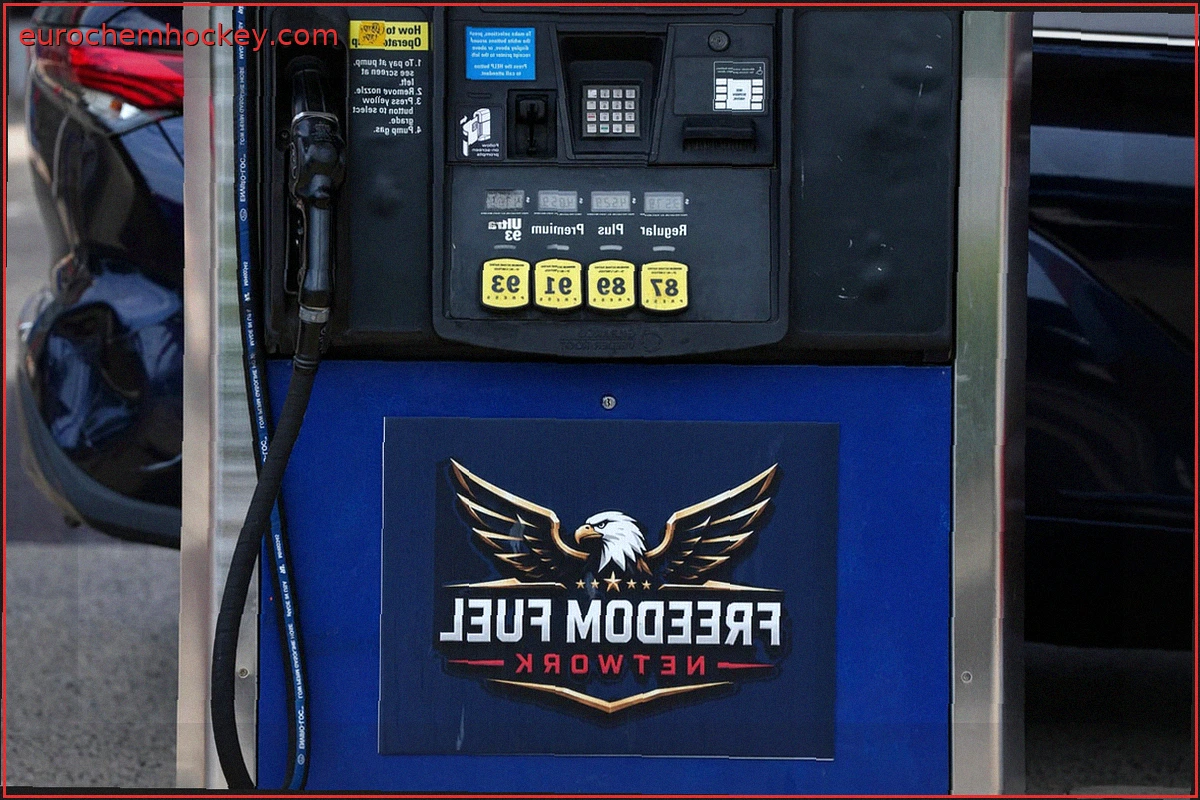
Trump-Promoted Freedom Fuel Stations Accused of Selling Unpaid Gas
A lawsuit filed by a Georgia-based fuel supplier, Mansfield Oil, claims that some of the gasoline sold through the Freedom Fuel Network, which received praise from President Donald Trump for its discounted prices, was never paid for. The federal lawsuit, lodged on August 19th, states that b

Dolly Parton: The Unseen Strength in Being Underestimated
In a 2015 interview, the famously optimistic Dolly Parton candidly discussed a period of personal struggle and depression. She revealed feeling guilty about her success during a time of personal health and professional challenges in the 1980s, following a diagnosis of endometriosis an

National Park Service Backs Trump's 250-Foot Arch Despite Adverse Effects on Historic Sites
The National Park Service has given its backing to the proposed 250-foot Triumphal Arch by President Donald Trump, including its location and scale. This decision comes despite the agency's own findings that the monument would negatively impact historic properties and sightlines in the

Trump Administration Considers Yosemite Land Swap for Private Developer's Access Road
The Trump administration is reportedly evaluating a land exchange that could involve a portion of Yosemite National Park. The proposed deal would grant a private developer an access road to the park. The Interior Department and legal representatives for the company, Kingsbarn R

Gen Zers Quit Jobs to Launch $8.5 Million Pickle Company
Leah Marcus, at just 26, and Yasaman Bakhitar, 27, embarked on an entrepreneurial journey by launching Good Girl Snacks, a Los Angeles-based startup. Their flagship product, "Hot Girl Pickles," gained unexpected viral fame when prominent influencer Alix Earle featured it on TikTok, al