Apple's Next Chapter: 3 Pressing Challenges Facing Tim Cook's Successor as CEO
The transition of leadership at Apple, with John Ternus set to take over from the highly successful CEO Tim Cook, presents a significant moment for the tech giant. Cook's 15-year tenure saw Apple transform into one of the world's most valuable companies, with its stock experiencing an impressive surge. His success in overseeing the company's evolution, innovating the iPhone business, building a robust services division, and integrating custom Apple chips has set a high bar. As Cook moves to the role of executive chairman, Ternus, a seasoned hardware executive with deep experience at Apple, inherits the task of guiding the company to even greater heights.
Ternus faces three paramount challenges as he assumes the CEO position:
1. Navigating the AI Era
While major tech competitors have aggressively pursued artificial intelligence, Apple has appeared to lag. The company's AI strategy, including the development of Siri and the recruitment of AI talent, has faced delays and setbacks. Ternus must accelerate Apple's AI integration, potentially through increased investment and strategic partnerships, to remain competitive. The recent multiyear deal to integrate Google's Gemini models into Apple Intelligence offers a path forward, leveraging external technology while mitigating the substantial capital expenditure faced by rivals. The question remains whether Apple will embrace AI for hardware innovation or explore new form factors like smart glasses, similar to Meta's approach.
2. Securing the Supply Chain
Tim Cook's leadership was marked by his adept management of complex global supply chains and trade relations. However, the company is currently grappling with a severe memory chip shortage, dubbed a "100-year flood" by Cook, which has already led to price increases for Macs and iPads. Ternus must address this critical issue, potentially by diversifying suppliers and navigating geopolitical tensions, particularly regarding sourcing from China. The company's reliance on DRAM and NAND flash memory producers like Micron, Samsung, and SK Hynix, alongside potential new sources, will be under intense scrutiny. The success of this will significantly impact device pricing and availability.
3. Evolving the Services Business
Apple's services segment, encompassing the App Store, Apple Music, iCloud, and Apple Pay, has become a crucial driver of revenue and profitability. Despite recent revenue figures falling slightly short of expectations, the services division, with its vast installed base, offers consistent, high-margin income. Ternus will need to explore how generative AI can further enhance these services. This could involve creating new subscription bundles, offering expanded cloud storage, or developing new revenue streams from AI-powered apps. The strategy will focus on maximizing customer lifetime value and deepening ecosystem lock-in, a core tenet of Apple's business model.
While Ternus inherits a strong company and benefits from Cook's continued presence as executive chairman, the path forward will require strategic foresight and decisive action. The market will be watching closely to see if he can build upon Apple's legacy of innovation and deliver continued growth in an increasingly competitive and rapidly evolving technological landscape.
Fresh materials — MMA News
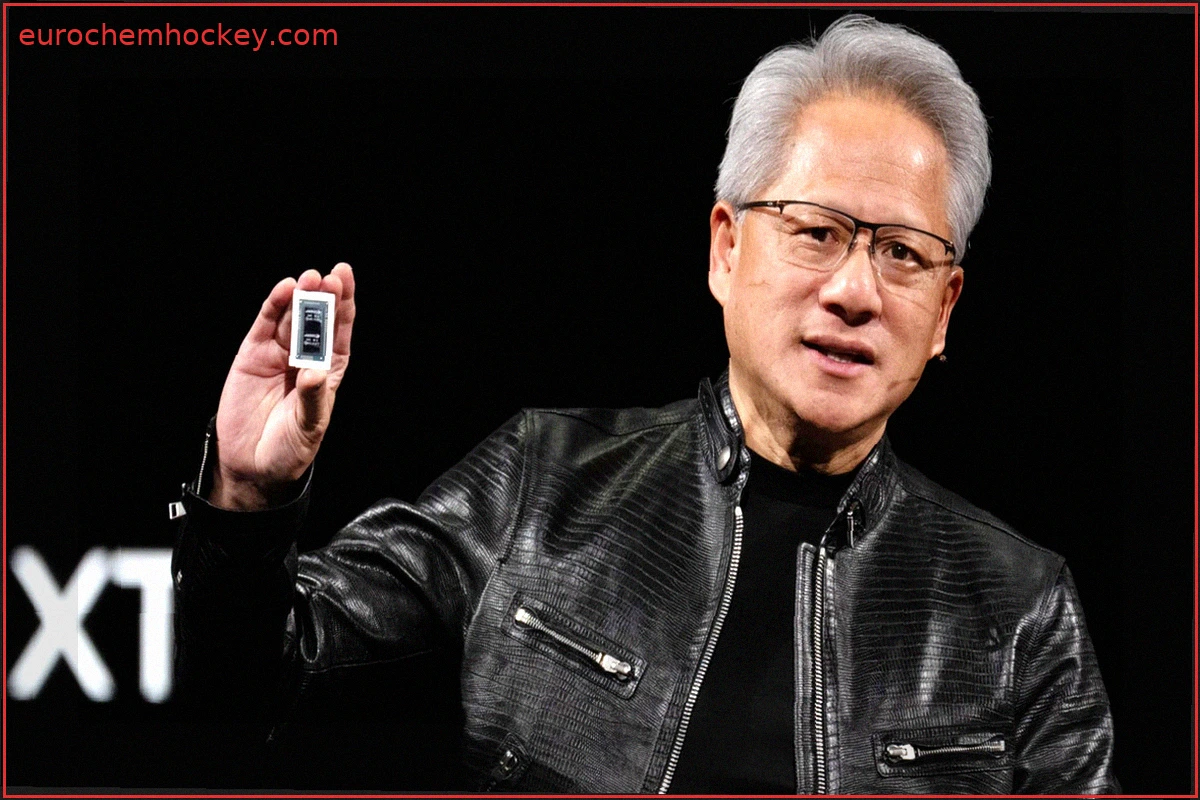
Nvidia's Friday Stock Plunge: Unpacking the Fed's Influence
Nvidia's stock experienced a significant downturn on Friday, shedding billions in market value. The shares, which reached a high of $229.26 during the day, closed at $217.55, a 4.6% drop. This reversal, occurring after a strong earnings report, mirrored a pattern seen wit
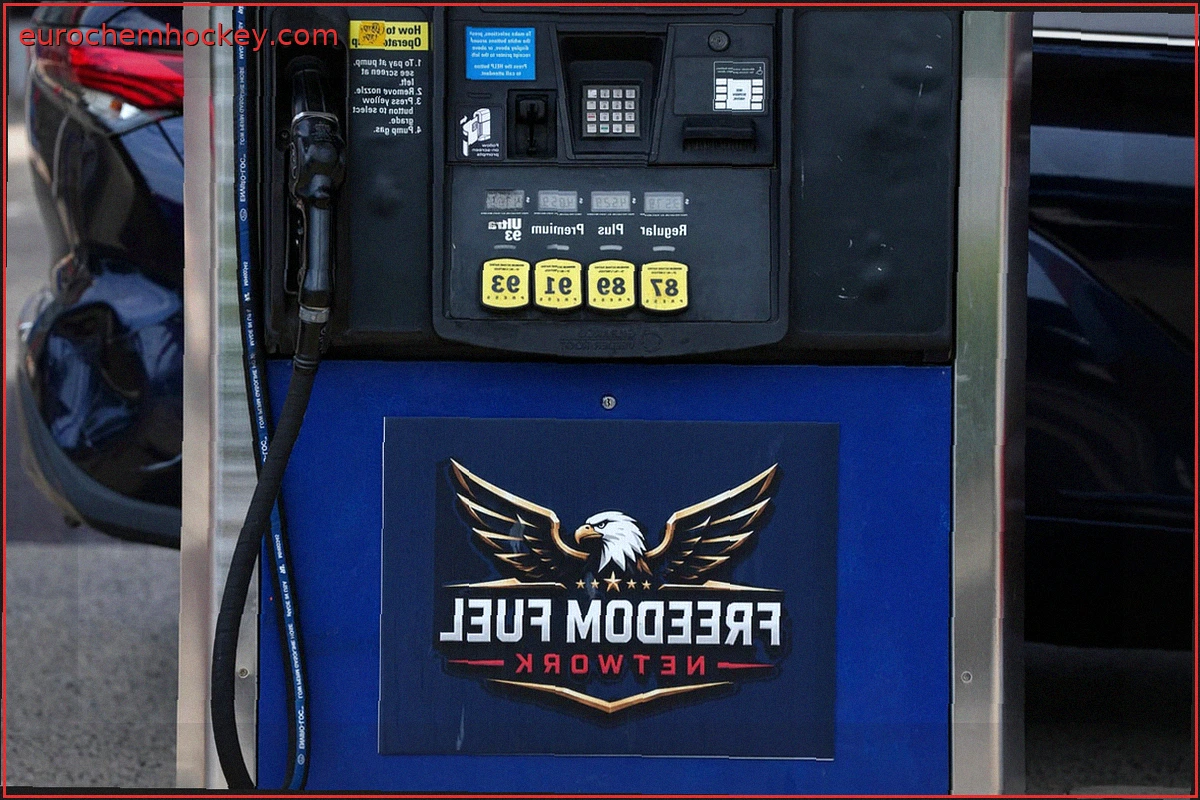
Trump-Promoted Freedom Fuel Stations Accused of Selling Unpaid Gas
A lawsuit filed by a Georgia-based fuel supplier, Mansfield Oil, claims that some of the gasoline sold through the Freedom Fuel Network, which received praise from President Donald Trump for its discounted prices, was never paid for. The federal lawsuit, lodged on August 19th, states that b

New Tariff Walls in U.S.-Canada Trade: Economic Implications for Critical Metals
The escalating trade dispute between the U.S. and Canada, marked by significant reciprocal tariffs, is prompting businesses, economists, and investors to reassess economic volatility. The U.S. has imposed a 50% tariff on various Canadian goods, leading to Canada's retaliatory tariffs of $2

Dolly Parton: The Unseen Strength in Being Underestimated
In a 2015 interview, the famously optimistic Dolly Parton candidly discussed a period of personal struggle and depression. She revealed feeling guilty about her success during a time of personal health and professional challenges in the 1980s, following a diagnosis of endometriosis an

National Park Service Backs Trump's 250-Foot Arch Despite Adverse Effects on Historic Sites
The National Park Service has given its backing to the proposed 250-foot Triumphal Arch by President Donald Trump, including its location and scale. This decision comes despite the agency's own findings that the monument would negatively impact historic properties and sightlines in the

Trump Administration Considers Yosemite Land Swap for Private Developer's Access Road
The Trump administration is reportedly evaluating a land exchange that could involve a portion of Yosemite National Park. The proposed deal would grant a private developer an access road to the park. The Interior Department and legal representatives for the company, Kingsbarn R