Eric Bischoff: Why The Monday Night Wars Will Never Happen Again
Eric Bischoff, having experienced the wrestling industry's highs both as a driving force behind WCW Nitro's challenge to WWE in the 1990s and now as an executive and media personality, recently challenged a common notion. He disagreed with the widely held belief that major wrestling promotions require fierce competition to maintain their edge. His insights emerged from recent discussions about the wrestling landscape.
Is Competition Needed?
Bischoff acknowledges the general business principle that competition fosters improvement. However, he considers the Monday Night Wars a singular historical event, not a replicable model for the current era. He recalls that in the mid-1990s, WWE's Monday Night Raw primarily targeted younger audiences, presenting exaggerated characters and storylines tailored for children and families.
“Everyone generally agrees that competition benefits all parties, and that's usually correct,” Bischoff stated. “However, the current situation drastically differs from the Monday Night Wars. Back then, WWE's Monday Night Raw was aimed at teenagers and pre-teens. It was essentially a children's program, featuring kid-friendly, highly exaggerated, and cartoonish characters and storylines.”
Upon Nitro's debut on TNT in 1995, Bischoff adopted an opposing approach, directly targeting adults aged 18-49 with a format leaning towards realism. This tactic proved highly successful; Nitro surpassed Raw in viewership for 83 consecutive weeks. This compelled WWE to completely revamp its product, ultimately transitioning into the "Attitude Era" to regain its older audience. Bischoff views this period as an illustration of how rival companies, when comparable in size, can dynamically respond to each other's actions.
“When Nitro launched, we introduced a more mature edge,” Bischoff recounted. “We targeted the 18-49 demographic and achieved significant success, outperforming WWE. After roughly a year of being decisively beaten, they observed our approach and decided, ‘Alright, we need to adopt their strategy because we’re losing, and they’re winning.’ This led them to alter their entire format.”
When questioned about whether contemporary promotions require such a strong rival to prosper, Bischoff contended that the disparity between WWE and other companies is currently too vast. WWE's business model today relies on extensive global media rights, stadium-level live events, and a massive pipeline for licensing and content production – elements no competitor can quickly replicate. He believes that at this point, no other promotion's actions could exert genuine financial pressure on WWE, unlike WCW's impact. While competition might still foster opportunities, he doesn't foresee a situation where a rival company could genuinely threaten WWE's existence.
“Competition compelled me to innovate with ideas superior to theirs, and once I succeeded, it then pushed them to devise even better ideas than mine. This perfectly exemplifies how ‘competition creates opportunity’,” he explained. “However, the current gap between the top company and its nearest competitor is immense. If you assess WWE’s business based on actual revenue and figures, rather than speculation, their market presence is so enormous that no rival's actions could realistically pressure them. It simply won't occur.”
Eric Bischoff on Today’s Crowded Landscape
Bischoff suggests that the wrestling industry today is, in a way, a victim of its own prosperity. The sheer volume of wrestling content available across television and streaming platforms, spanning from major U.S. promotions like WWE and AEW to robust regional scenes in Japan, Mexico, Europe, and elsewhere, is unprecedented. This abundance necessitates a relentless creative output: weekly broadcasts, monthly specials, and significant cornerstone events, all requiring fresh matches, storylines, and characters. From his perspective, such a packed schedule offers little space for creative ideas to fully develop or evolve.
“The industry has expanded so rapidly that we’re likely experiencing some growing pains,” he commented. “Simply consider the immense quantity of wrestling content that must be produced, created, and distributed; it’s a tremendous amount of creative effort and product.”
This intense schedule becomes particularly vulnerable when major talents are out of action. For instance, WWE’s recent preparations for a major event were reportedly altered due to injuries, necessitating creative adjustments for its weekly shows leading up to the spectacle. The impact of a single injury can cascade through multiple storylines, affecting match outcomes, altering planned event participants, and postponing long-term narratives intended to culminate at a marquee show.
“Optimal ideas often require time to mature,” he noted. “It's impossible to generate a world-class concept for every single pay-per-view or weekly show. Developing strong ideas, compelling storylines, and excellent matchups demands a significant investment of time. Given the rapid expansion and sheer volume of content, we are likely experiencing a period of creative stagnation. This also significantly impacts planning, potentially affecting several individuals on a show's card. Between the rapid growth of the business and injuries forcing creative alterations, we might be in a bit of a creative lull currently. However, there’s no need to worry; the industry experiences these cycles regularly.”
Despite these observations, Bischoff remains unconcerned about the overall trajectory of wrestling. He views creative dry spells as an inherent part of the industry's cyclical nature, much like those seen before Nitro, throughout the Monday Night Wars, and following WCW's closure. The wrestling business has consistently evolved in phases, and from his vantage point, the present moment represents another stage where promotions are adapting to their expanded scale.
Fresh materials — MMA News
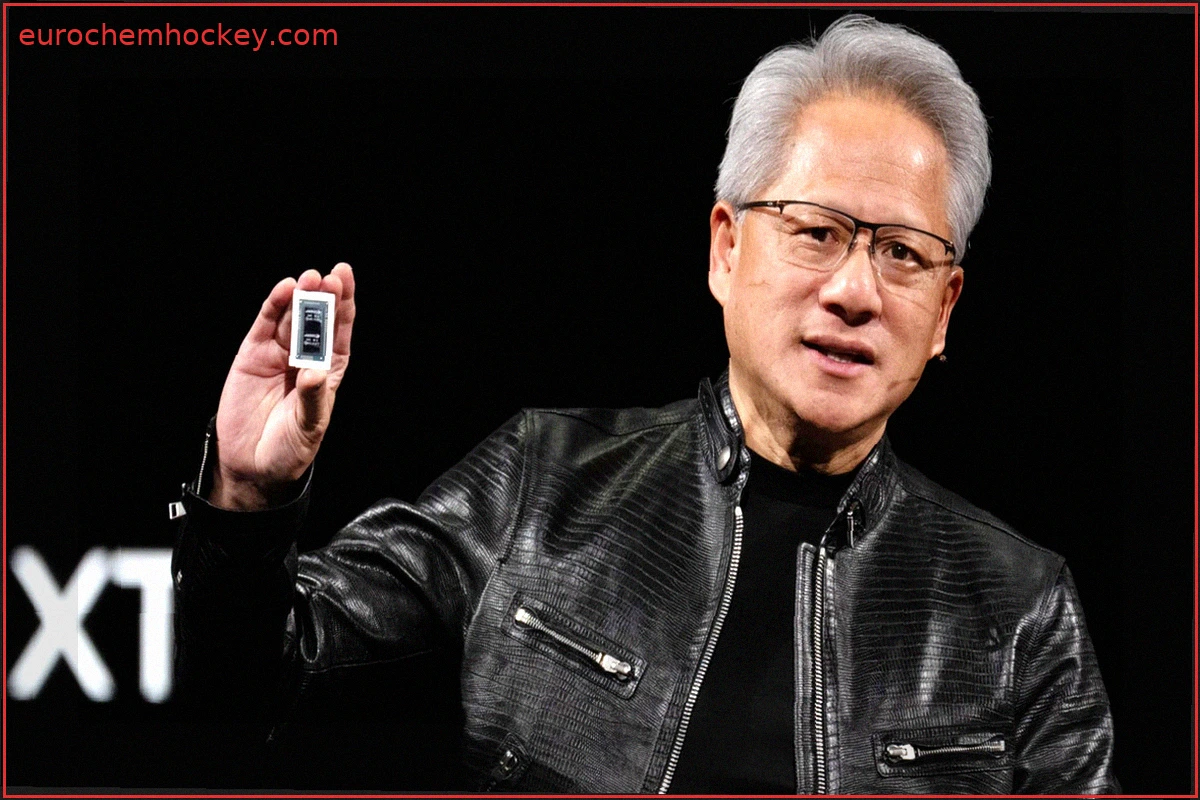
Nvidia's Friday Stock Plunge: Unpacking the Fed's Influence
Nvidia's stock experienced a significant downturn on Friday, shedding billions in market value. The shares, which reached a high of $229.26 during the day, closed at $217.55, a 4.6% drop. This reversal, occurring after a strong earnings report, mirrored a pattern seen wit

Trump-Promoted Freedom Fuel Stations Accused of Selling Unpaid Gas
A lawsuit filed by a Georgia-based fuel supplier, Mansfield Oil, claims that some of the gasoline sold through the Freedom Fuel Network, which received praise from President Donald Trump for its discounted prices, was never paid for. The federal lawsuit, lodged on August 19th, states that b
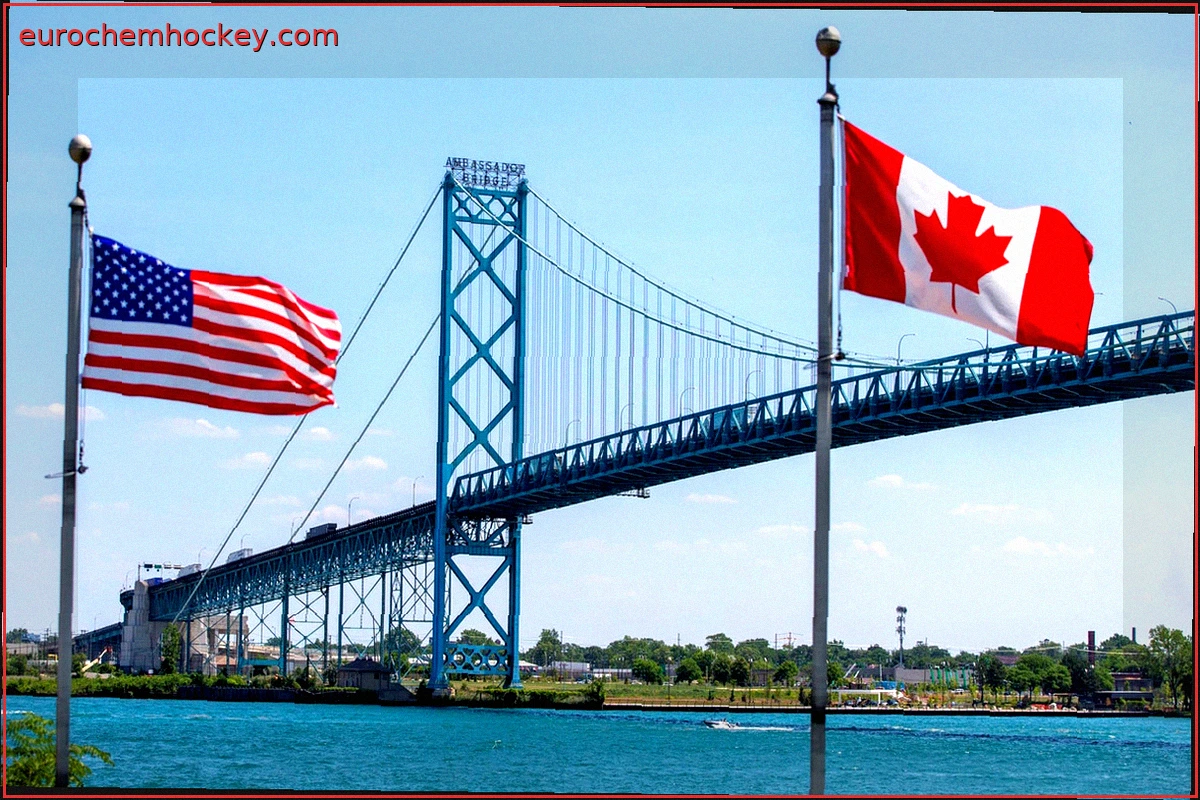
New Tariff Walls in U.S.-Canada Trade: Economic Implications for Critical Metals
The escalating trade dispute between the U.S. and Canada, marked by significant reciprocal tariffs, is prompting businesses, economists, and investors to reassess economic volatility. The U.S. has imposed a 50% tariff on various Canadian goods, leading to Canada's retaliatory tariffs of $2

Dolly Parton: The Unseen Strength in Being Underestimated
In a 2015 interview, the famously optimistic Dolly Parton candidly discussed a period of personal struggle and depression. She revealed feeling guilty about her success during a time of personal health and professional challenges in the 1980s, following a diagnosis of endometriosis an
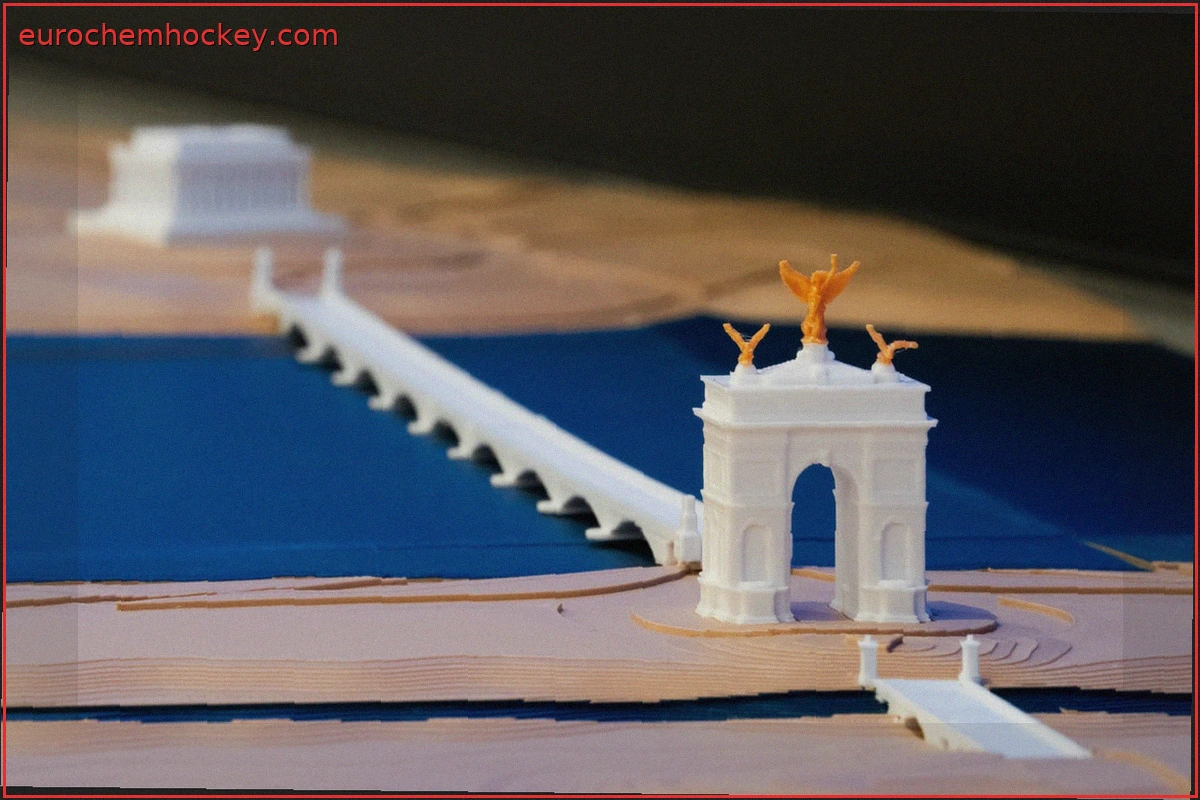
National Park Service Backs Trump's 250-Foot Arch Despite Adverse Effects on Historic Sites
The National Park Service has given its backing to the proposed 250-foot Triumphal Arch by President Donald Trump, including its location and scale. This decision comes despite the agency's own findings that the monument would negatively impact historic properties and sightlines in the
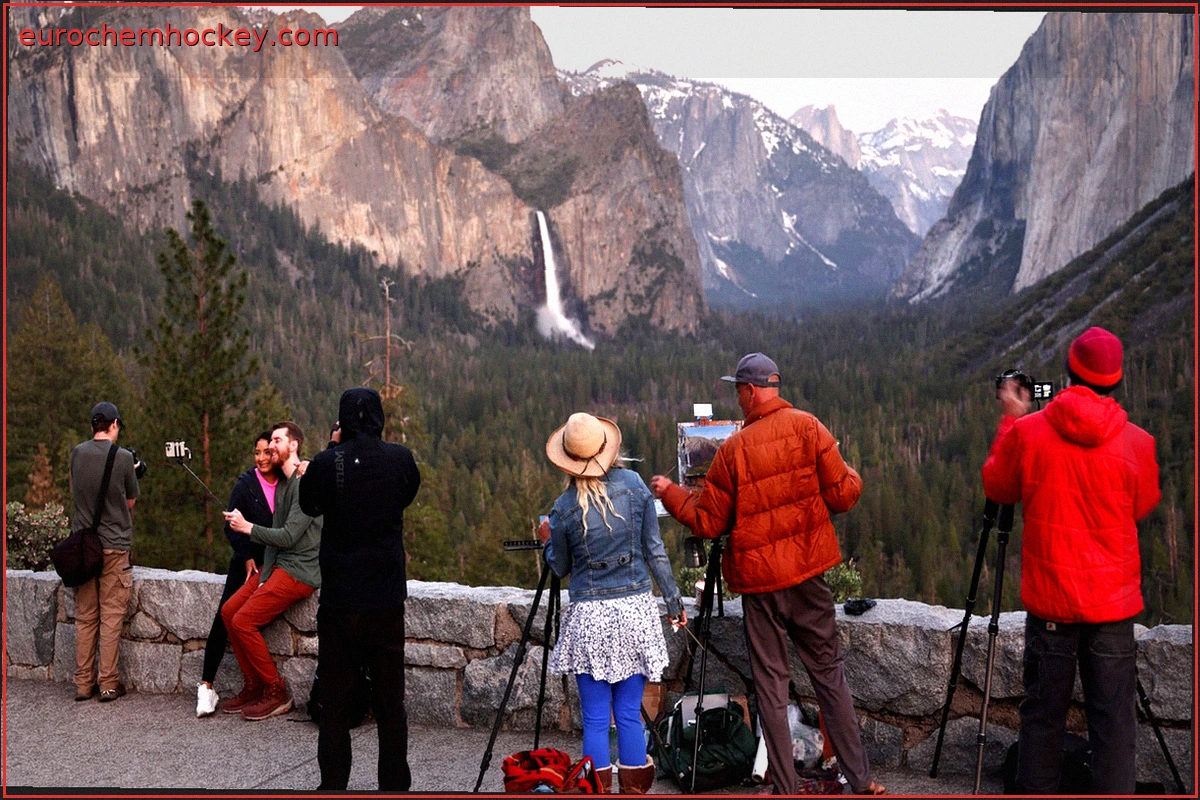
Trump Administration Considers Yosemite Land Swap for Private Developer's Access Road
The Trump administration is reportedly evaluating a land exchange that could involve a portion of Yosemite National Park. The proposed deal would grant a private developer an access road to the park. The Interior Department and legal representatives for the company, Kingsbarn R