Europe's Gas Stores Dwindling, Prices May Exceed 100 Euros This Winter
Europe is grappling with insufficient natural gas reserves ahead of winter, creating a heightened risk that competition with Asian markets for supplies will drive prices to over 100 euros (approximately $117) per megawatt-hour. This would be the first time since the energy crisis of four years ago that such high prices have been seen.
On Tuesday, European benchmark Dutch TTF futures surpassed 68 euros per megawatt-hour, reaching their highest point since early 2023 before experiencing a slight decrease.
Analysts predict that a cold winter, coupled with ongoing supply limitations, could escalate prices to between 90 and 120 euros per megawatt-hour, according to Tancrede Fulop, a senior equity analyst at Morningstar.
Goldman Sachs analysts indicated in a recent note that if Middle East LNG exports only gradually return to normal through 2027, natural gas futures would need to exceed 100 euros per megawatt-hour. This price level would be necessary to sufficiently dampen Asian demand, enabling Europe to manage its storage levels throughout the winter.
The primary concern for Europe is that its current gas inventories are at historically low levels.
Disruptions to shipping routes via the Strait of Hormuz have significantly reduced LNG exports from major Gulf producers like Qatar during Europe's gas storage refilling period.
Simultaneously, Europe's intensely hot summer has increased the demand for air conditioning and other energy-intensive appliances. This comes at a time when the demand for natural gas, which is widely used for heating and cooking across the continent, typically declines. Gas constitutes approximately one-sixth of the EU's electricity generation.
Adverse weather conditions have also led to reduced availability of alternative energy sources. The heatwave has caused a decline in nuclear power generation, with power plants across the region being compelled to shut down or curtail production. Additionally, wind power generation has been weak throughout the summer.
Consequently, according to data from Gas Infrastructure Europe, EU gas stores are currently at around 63% capacity. This is among the lowest levels recorded for this time of year and is roughly 18 percentage points below the five-year average.
Matt Drinkwater, head of European Gas at Energy Aspects, stated that Europe appears to be on course to begin winter with an inadequate storage buffer against potential late-winter cold snaps. He elaborated that the amount of gas that can be withdrawn from storage on a peak demand day decreases as the storage becomes emptier.
Drinkwater also noted the possibility that the strengthening El Niño weather pattern might lead to a mild early winter in northeast Asia, thereby reducing demand. However, he cautioned that this also elevates the risk of a colder-than-usual late winter.
Hopes of Hormuz Reopening
A critical factor will be the extent to which significant LNG volumes from the Middle East become available before winter.
On Wednesday, both crude oil and natural gas futures experienced a decline amidst expectations that Iran and Oman might reach an agreement to ensure safe transit through the Strait of Hormuz.
Drinkwater suggested that a substantial recovery in Middle East LNG exports would mean that while Europe might still start winter with "uncomfortably low stocks," the region could better conserve its inventories for periods of peak cold in January and February.
However, the volatile geopolitical situation surrounding this crucial trade route introduces considerable uncertainty.
If Middle East LNG flows do not return to high levels before winter, Europe could face extremely high gas prices, leading to increased consumer bills and, in the most severe scenario, restrictions on industrial gas consumption, according to Drinkwater.
Competition with Asia for LNG cargoes is also expected to remain intense due to limited global supply growth over the next twelve months. Consultancy Wood Mackenzie reports that new developments in Qatar are not anticipated to reach full capacity until the latter half of 2027.
Wood Mackenzie has characterized Europe as being "approaching energy crisis territory" with few immediate alternatives to meet its gas needs, especially as the prohibition of all Russian LNG imports is set to take effect at the start of 2027.
At current price levels, Europe maintains a slight advantage over Asia in attracting flexible LNG cargoes from the US, according to Morningstar's Fulop, after accounting for higher shipping costs to Asia.
However, Europe will require significantly more US LNG if other supply sources remain constrained.
"We estimate that Europe would need approximately 64 billion cubic meters of US LNG, which is equivalent to roughly 77% of total US exports," Fulop stated.
"Attracting such an unusually high share would necessitate Europe offering a materially higher netback than Asia. At the higher end of the range, elevated prices would also begin to balance the market through industrial demand reduction and fuel switching," he added.
Fresh materials — MMA News

Nvidia's Friday Stock Plunge: Unpacking the Fed's Influence
Nvidia's stock experienced a significant downturn on Friday, shedding billions in market value. The shares, which reached a high of $229.26 during the day, closed at $217.55, a 4.6% drop. This reversal, occurring after a strong earnings report, mirrored a pattern seen wit

Trump-Promoted Freedom Fuel Stations Accused of Selling Unpaid Gas
A lawsuit filed by a Georgia-based fuel supplier, Mansfield Oil, claims that some of the gasoline sold through the Freedom Fuel Network, which received praise from President Donald Trump for its discounted prices, was never paid for. The federal lawsuit, lodged on August 19th, states that b
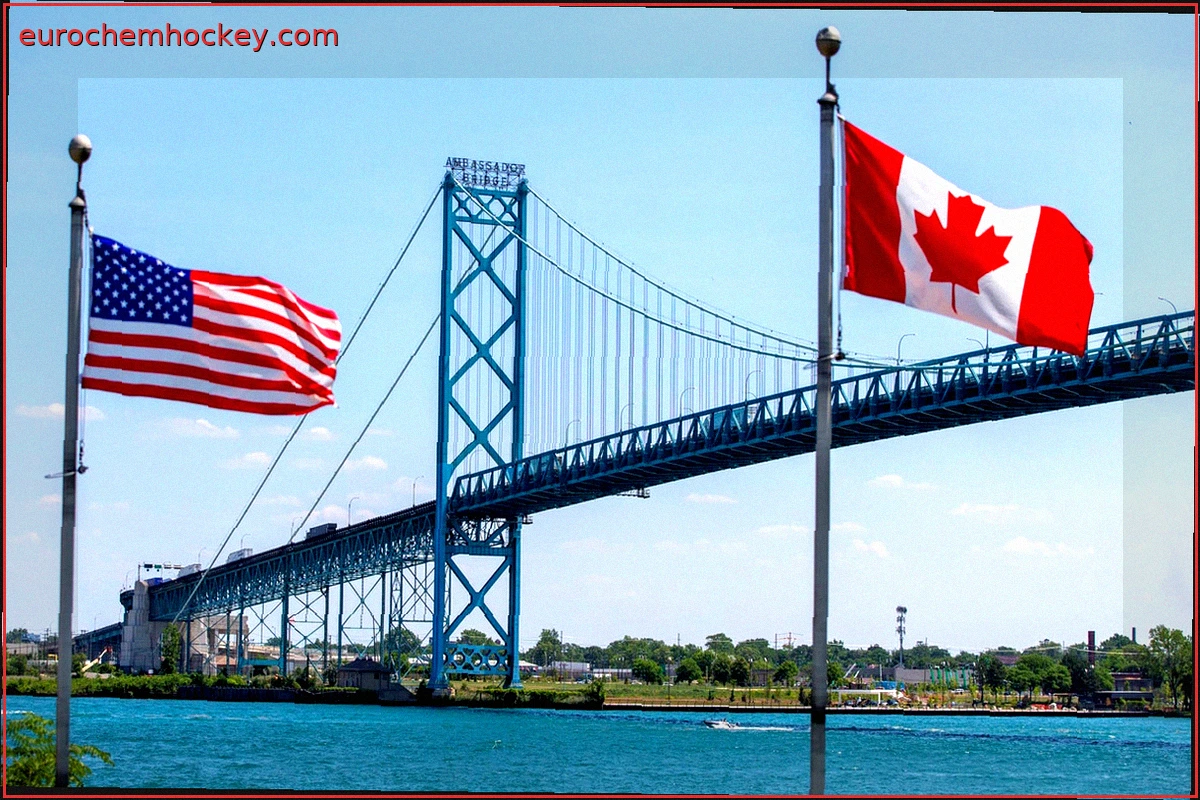
New Tariff Walls in U.S.-Canada Trade: Economic Implications for Critical Metals
The escalating trade dispute between the U.S. and Canada, marked by significant reciprocal tariffs, is prompting businesses, economists, and investors to reassess economic volatility. The U.S. has imposed a 50% tariff on various Canadian goods, leading to Canada's retaliatory tariffs of $2

Dolly Parton: The Unseen Strength in Being Underestimated
In a 2015 interview, the famously optimistic Dolly Parton candidly discussed a period of personal struggle and depression. She revealed feeling guilty about her success during a time of personal health and professional challenges in the 1980s, following a diagnosis of endometriosis an

National Park Service Backs Trump's 250-Foot Arch Despite Adverse Effects on Historic Sites
The National Park Service has given its backing to the proposed 250-foot Triumphal Arch by President Donald Trump, including its location and scale. This decision comes despite the agency's own findings that the monument would negatively impact historic properties and sightlines in the

Trump Administration Considers Yosemite Land Swap for Private Developer's Access Road
The Trump administration is reportedly evaluating a land exchange that could involve a portion of Yosemite National Park. The proposed deal would grant a private developer an access road to the park. The Interior Department and legal representatives for the company, Kingsbarn R