International Student Enrollment Declines Amid Stricter U.S. Visa Policies
Recent reports indicate a noticeable decrease in the number of new international students choosing to study in U.S. universities. This trend is attributed to evolving immigration policies and stricter visa regulations. Data from the Fall 2025 semester shows a 17% decline in new international student admissions compared to the prior year, according to a joint report by the U.S. Department of State and the Institute of International Education (IIE). Projections for the upcoming academic year also suggest a continued downward trend in overall international enrollment.
The Common Application platform, a widely used portal for undergraduate admissions, has also reported a significant downturn. For the 2026-27 academic year, the number of international applicants fell by 10%, marking the most substantial decline on record. This decrease was particularly pronounced among applicants from Asia and Africa. Researchers at Common App suggest that a reduction in new international student accounts on the platform could further diminish the pipeline for future enrollments.
Experts highlight that new regulations, including the elimination of "duration of status" and a four-year cap on F-1 and J-1 visa stays, coupled with limited visa appointment availability and country-specific restrictions, are impacting U.S. higher education unevenly. Jamie Beaton, co-founder and CEO of Crimson Education, suggests these changes will accelerate a divide, with institutions unable to demonstrate clear return on investment facing enrollment drops and program cuts, while top-tier universities like Harvard, Stanford, MIT, and Duke are expected to remain strong.
Colleges and universities that depend heavily on tuition revenue from international students may face financial challenges due to the new four-year cap on student visa stays, as analyzed by Fitch Ratings. International students often pay full tuition or receive less financial aid compared to domestic students, making lost revenue difficult to replace quickly. Universities with substantial graduate and STEM programs, where degree completion can often exceed four years, are particularly vulnerable. These institutions may struggle to maintain enrollment pipelines and incur higher costs for overseas recruitment efforts.
While elite institutions like Ivy League schools are likely to continue attracting ample international applicants, mid-ranked private colleges and regional public universities, which rely on full-paying international students, could be significantly affected. As these applicants increasingly consider destinations like the U.K., Australia, or Singapore, these schools may find it difficult to compensate for lost revenue, especially given the declining domestic applicant pool and concerns about return on investment among prospective students.
The economic consequences of declining international student enrollment are also substantial. The U.S. has historically been a leading destination for international students, primarily from India and China. However, this year's projected decline in enrollment is estimated to cost local economies approximately $3.4 billion, according to NAFSA: Association of International Educators. The report also warns that the loss of international students could put up to 40,000 U.S. jobs at risk. NAFSA's executive director, Fanta Aw, emphasized that U.S. policies and regulations significantly influence where international students choose to pursue their education, with considerable short- and long-term impacts on the U.S. society and economy.
Fresh materials — MMA News

Nvidia's Friday Stock Plunge: Unpacking the Fed's Influence
Nvidia's stock experienced a significant downturn on Friday, shedding billions in market value. The shares, which reached a high of $229.26 during the day, closed at $217.55, a 4.6% drop. This reversal, occurring after a strong earnings report, mirrored a pattern seen wit
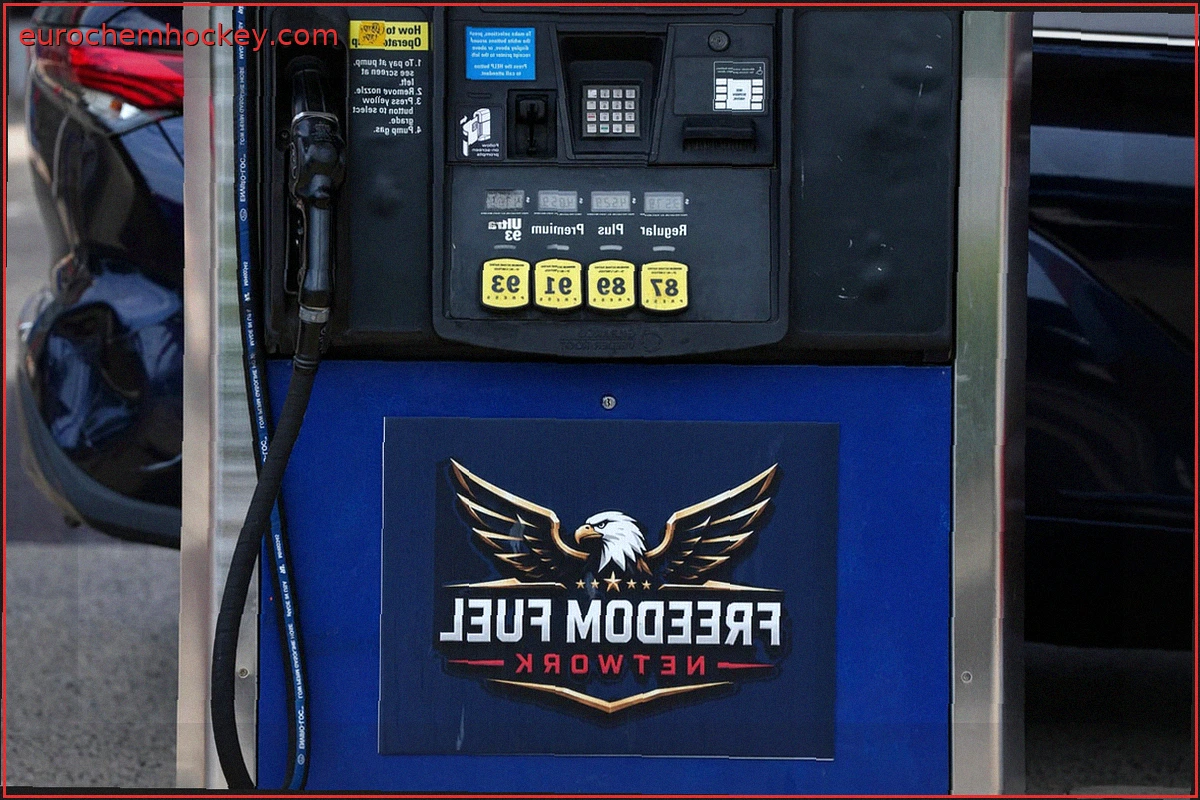
Trump-Promoted Freedom Fuel Stations Accused of Selling Unpaid Gas
A lawsuit filed by a Georgia-based fuel supplier, Mansfield Oil, claims that some of the gasoline sold through the Freedom Fuel Network, which received praise from President Donald Trump for its discounted prices, was never paid for. The federal lawsuit, lodged on August 19th, states that b

New Tariff Walls in U.S.-Canada Trade: Economic Implications for Critical Metals
The escalating trade dispute between the U.S. and Canada, marked by significant reciprocal tariffs, is prompting businesses, economists, and investors to reassess economic volatility. The U.S. has imposed a 50% tariff on various Canadian goods, leading to Canada's retaliatory tariffs of $2

Dolly Parton: The Unseen Strength in Being Underestimated
In a 2015 interview, the famously optimistic Dolly Parton candidly discussed a period of personal struggle and depression. She revealed feeling guilty about her success during a time of personal health and professional challenges in the 1980s, following a diagnosis of endometriosis an

National Park Service Backs Trump's 250-Foot Arch Despite Adverse Effects on Historic Sites
The National Park Service has given its backing to the proposed 250-foot Triumphal Arch by President Donald Trump, including its location and scale. This decision comes despite the agency's own findings that the monument would negatively impact historic properties and sightlines in the

Trump Administration Considers Yosemite Land Swap for Private Developer's Access Road
The Trump administration is reportedly evaluating a land exchange that could involve a portion of Yosemite National Park. The proposed deal would grant a private developer an access road to the park. The Interior Department and legal representatives for the company, Kingsbarn R