Iran's Trade Falls as Supreme Leader Khamenei Urges Less Reliance on the U.S. Dollar
Iranian trade has experienced a sharp decline amid U.S. sanctions and a naval blockade, according to President Masoud Pezeshkian. Concurrently, Supreme Leader Mojtaba Khamenei has emphasized the need to reduce dependence on the U.S. dollar.
President Pezeshkian stated in a recent interview that Iranian trade has decreased by 25% to 35%. He noted that while exports have fallen, imports have seen a more substantial reduction. Pezeshkian questioned the assertions of those who claim sanctions have no impact, pointing to these statistics as evidence to the contrary.
Meanwhile, Supreme Leader Mojtaba Khamenei, in a written statement, called for greater economic self-sufficiency. He highlighted the importance of economic growth, increased production, a gradual phasing out of the U.S. dollar's central role, and prioritizing a "Resistance Economy."
Toughened Sanctions Campaign Launched
The U.S. Treasury Secretary, Scott Bessent, initiated "Operation Economic Outcast," a sanctions campaign designed to sever Iran's global economic connections. As part of this initiative, the Treasury Department proposed to cut off the UAE operations of Egyptian bank Banque Misr from correspondent banking access to U.S. financial institutions, citing alleged financial ties to Iran. Banque Misr UAE reportedly processed approximately $1.8 billion over the past two years for companies potentially involved in Iran's shadow banking network.
The bank has stated its cooperation with the authorities and confirmed that the regulatory action is confined to its UAE branch, which continues to serve its clients. Iranian crude oil exports have significantly decreased as the U.S. intensifies economic pressure through sanctions and its naval blockade. Data from trade intelligence firm Kpler indicates a steep drop in Iranian crude oil loaded for export in August, down by over 80% compared to August of the previous year. President Trump reimposed the blockade in response to Iran's attacks on oil tankers in the Strait of Hormuz.
Iranian Oil Reserves
U.S. Central Command reported redirecting, disabling, and boarding commercial vessels to ensure compliance with the blockade. The Trump administration anticipates that Iran will eventually face financial depletion, forcing capitulation. Experts describe the blockade as highly effective in curbing Iran's crude export loadings. Despite the blockade, Iran's Ministry of Petroleum claims to possess sufficient oil reserves to meet its budget requirements for 2026-2027, bypassing maritime blockades. The ministry also reported transferring $7.5 billion in oil sale proceeds to the central bank, which is enough to cover foreign currency expenditures through early 2027.
This situation follows six months of "major combat operations" initiated by the U.S. and Israel in Iran, leading to retaliatory strikes and a new war in the Middle East. The conflict, initially expected to be short-lived, has evolved into a prolonged standoff with no clear end in sight, and efforts to reopen the Strait of Hormuz remain unresolved.
Fresh materials — MMA News
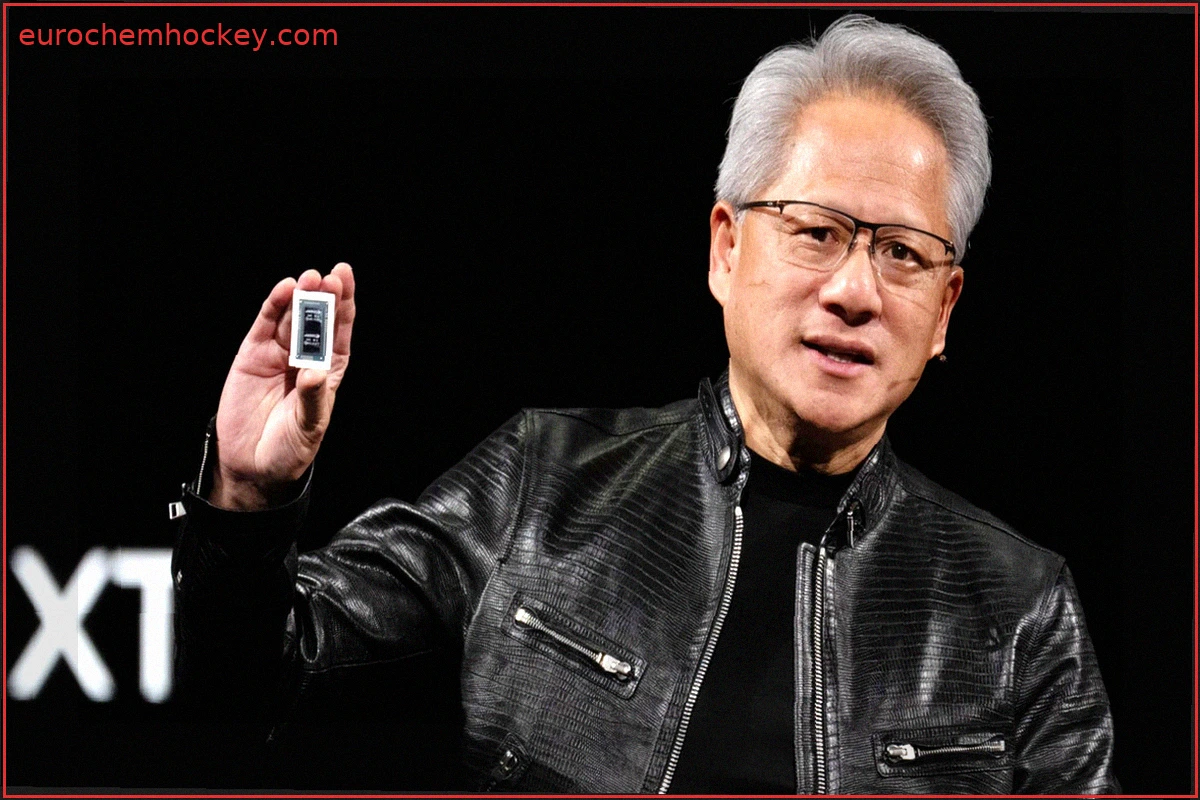
Nvidia's Friday Stock Plunge: Unpacking the Fed's Influence
Nvidia's stock experienced a significant downturn on Friday, shedding billions in market value. The shares, which reached a high of $229.26 during the day, closed at $217.55, a 4.6% drop. This reversal, occurring after a strong earnings report, mirrored a pattern seen wit
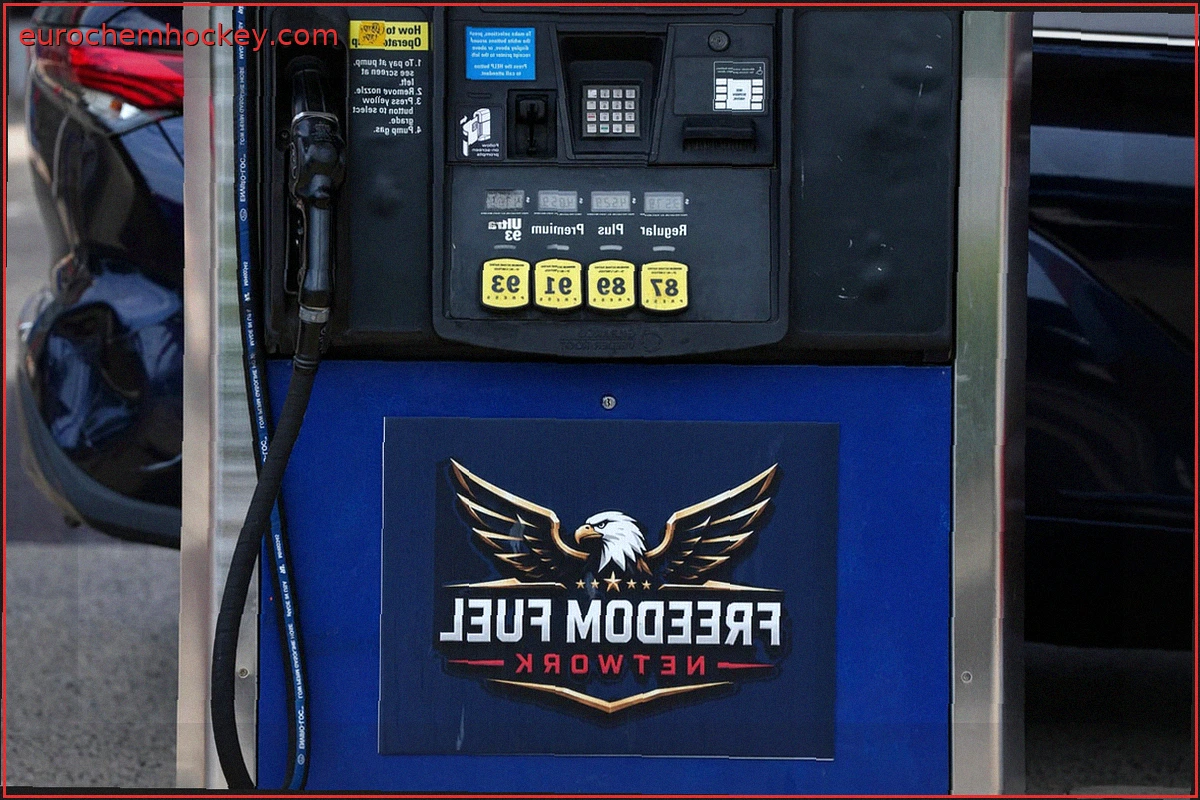
Trump-Promoted Freedom Fuel Stations Accused of Selling Unpaid Gas
A lawsuit filed by a Georgia-based fuel supplier, Mansfield Oil, claims that some of the gasoline sold through the Freedom Fuel Network, which received praise from President Donald Trump for its discounted prices, was never paid for. The federal lawsuit, lodged on August 19th, states that b
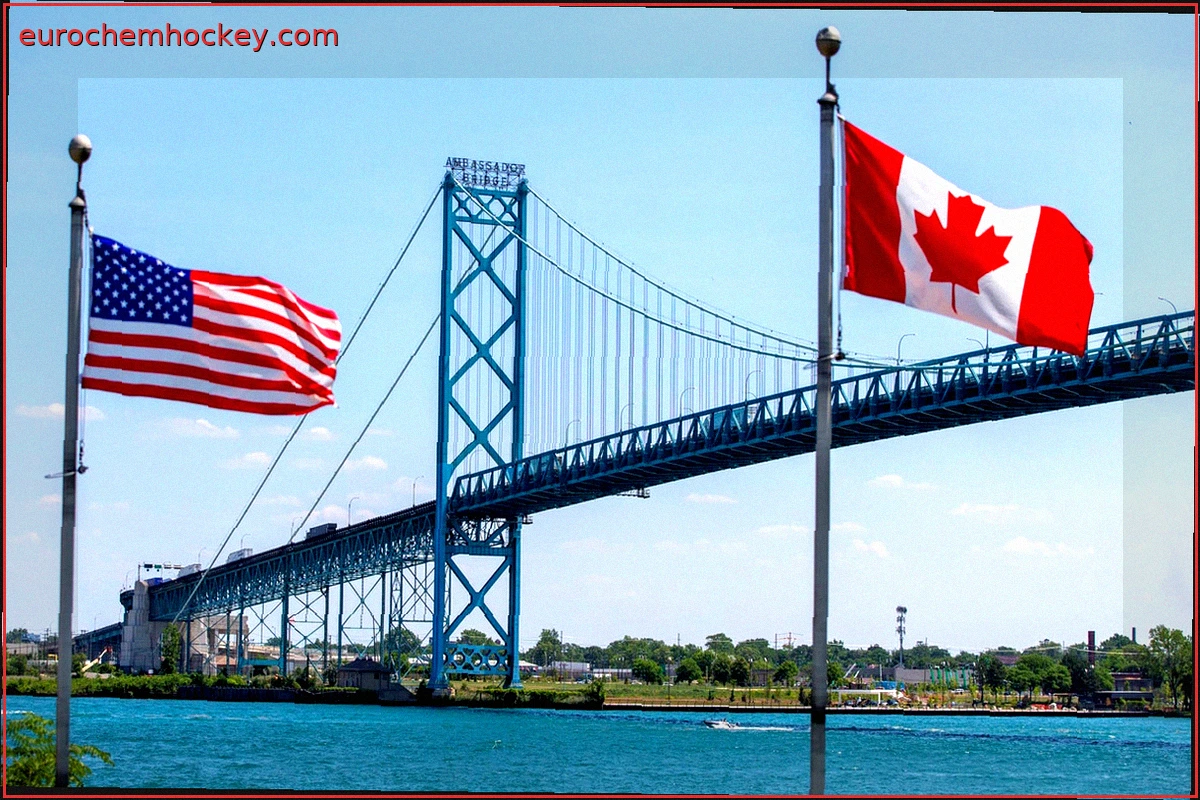
New Tariff Walls in U.S.-Canada Trade: Economic Implications for Critical Metals
The escalating trade dispute between the U.S. and Canada, marked by significant reciprocal tariffs, is prompting businesses, economists, and investors to reassess economic volatility. The U.S. has imposed a 50% tariff on various Canadian goods, leading to Canada's retaliatory tariffs of $2

Dolly Parton: The Unseen Strength in Being Underestimated
In a 2015 interview, the famously optimistic Dolly Parton candidly discussed a period of personal struggle and depression. She revealed feeling guilty about her success during a time of personal health and professional challenges in the 1980s, following a diagnosis of endometriosis an
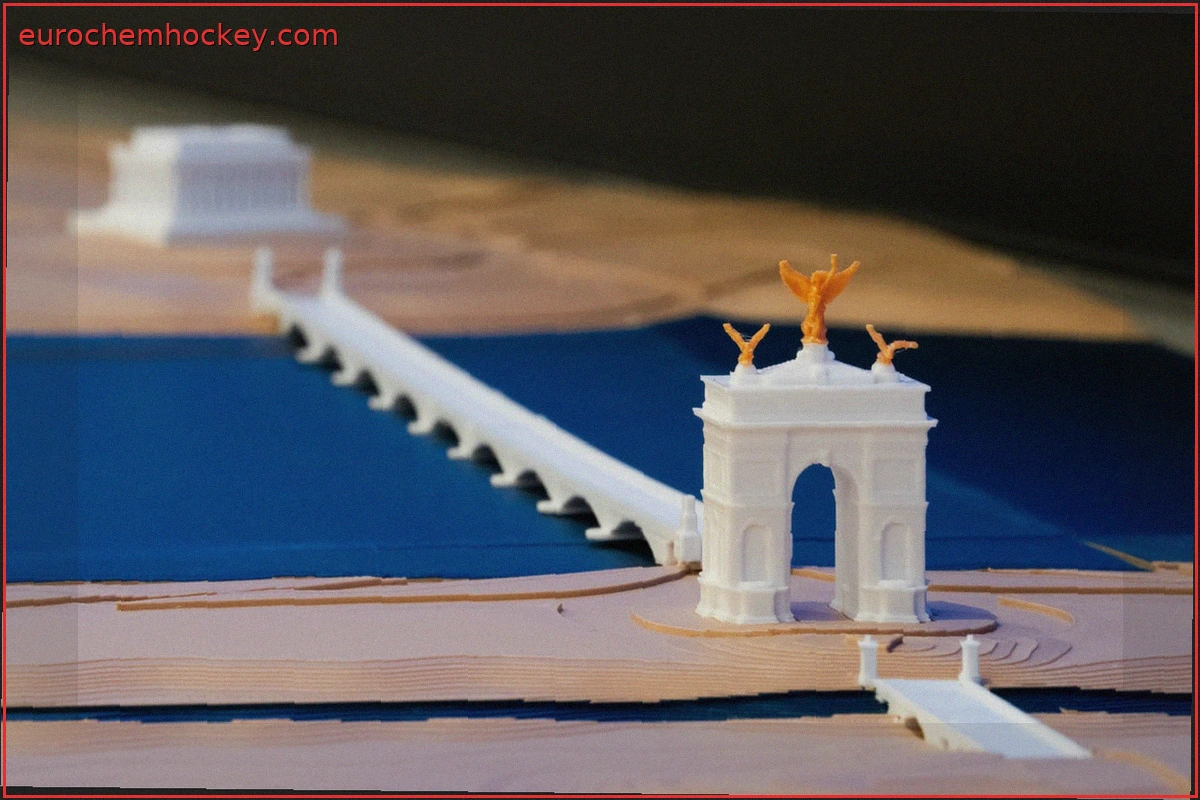
National Park Service Backs Trump's 250-Foot Arch Despite Adverse Effects on Historic Sites
The National Park Service has given its backing to the proposed 250-foot Triumphal Arch by President Donald Trump, including its location and scale. This decision comes despite the agency's own findings that the monument would negatively impact historic properties and sightlines in the
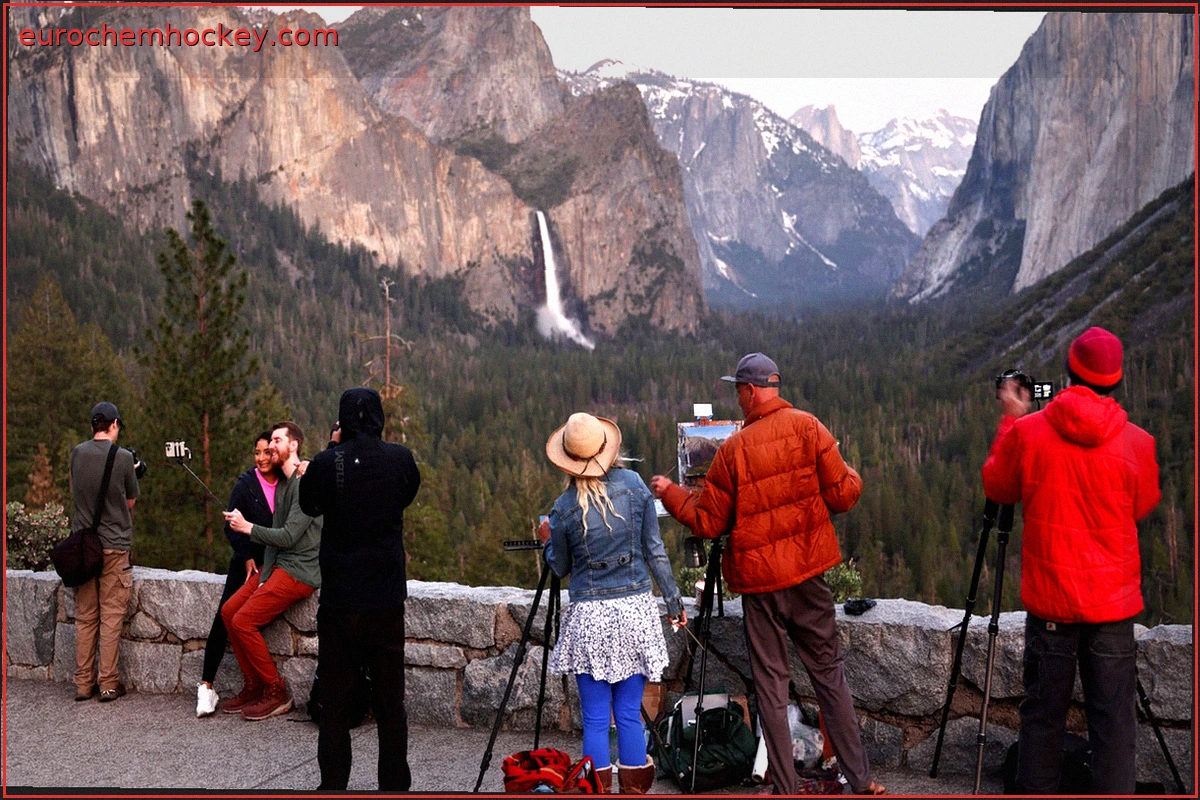
Trump Administration Considers Yosemite Land Swap for Private Developer's Access Road
The Trump administration is reportedly evaluating a land exchange that could involve a portion of Yosemite National Park. The proposed deal would grant a private developer an access road to the park. The Interior Department and legal representatives for the company, Kingsbarn R