Oil Prices Drop as US Prioritizes Economic Pressure on Iran, Easing War Fears
Oil prices saw a more than 3% decrease on Tuesday. This decline followed reports from The New York Times indicating that the U.S. State Department intends to reassign evacuated diplomats back to the Middle East. This move is interpreted as a sign that the U.S. does not anticipate a return to full-scale warfare.
Brent crude oil futures were trading 3.4% lower at $89.05 per barrel, marking their lowest point since August 13th. U.S. West Texas Intermediate crude also fell, down 3.6% to trade around $81.99 a barrel.
Tuesday's price drops continued the downward trend from Monday, when Brent crude had already fallen by 3%. Although U.S. military actions in the Middle East have diminished in recent weeks, Washington has instead focused on imposing substantial economic pressure on Iran.
The U.S. government introduced a new series of sanctions against Iran and entities supporting its trade this week. The White House has characterized these efforts as an "economic D-Day," with Treasury Secretary Scott Bessent describing the initiative on Monday as "the single greatest financial offensive ever."
Concurrently, U.S. Defense Secretary Pete Hegseth stated on Monday that the possibility of further American strikes in the Middle East remains a consideration. He remarked, "If we need to use kinetic strikes, we'll use them. If Iran is foolish enough to overplay their hand or mess with the American military, we'll do what we need to do." Hegseth emphasized that "Economic pressure hurts them the most right now," but added that "we are by no means foreclosing using kinetic strikes anywhere in the Strait of Hormuz or around Iran."
Iranian Economy Minister Ali Madanizadeh asserted on state television that Tehran is "fully prepared" to withstand additional U.S. sanctions. He stated, "The government is and was ready and has a two-year plan to manage these events. We have our own tools and we know how to play the game."
China Vows to Defend Its Interests
China, a significant trading partner of Iran, has consistently advocated for a diplomatic resolution to the U.S.-Iran conflict. Under the new "economic D-Day" strategy, China could face repercussions for its continued oil purchases from Iran. On Tuesday, Chinese Foreign Ministry Spokesperson Lin Jian informed reporters that Beijing would "do everything necessary to firmly safeguard its rights and interests."
Lin Jian reiterated, "China has made clear on many occasions its firm opposition to illicit unilateral sanctions that have no basis in international law or the authorization of the UN Security Council. Economic warfare and maximum pressure provide no solution." He further clarified that China's engagement with Iran adheres to international law and should not be obstructed.
In a note on Tuesday, BBH strategists described the Trump administration's recent actions as "more of a warning shot than a decisive blow." They observed, "The U.S. expanded sanctions on Iran but stopped short of any immediate secondary sanctions against other countries sustaining Iran's trade. China is the critical pressure point — it is Iran's largest trading partner and buys roughly 90% of its oil exports — and the biggest constraint on making the sanctions credible." They also pointed out that imposing sanctions on China as a trading partner of Iran would involve targeting major Chinese banks and refiners, potentially leading to "financial disruption, Chinese retaliation, and the fragile US-China détente."
Fresh materials — MMA News
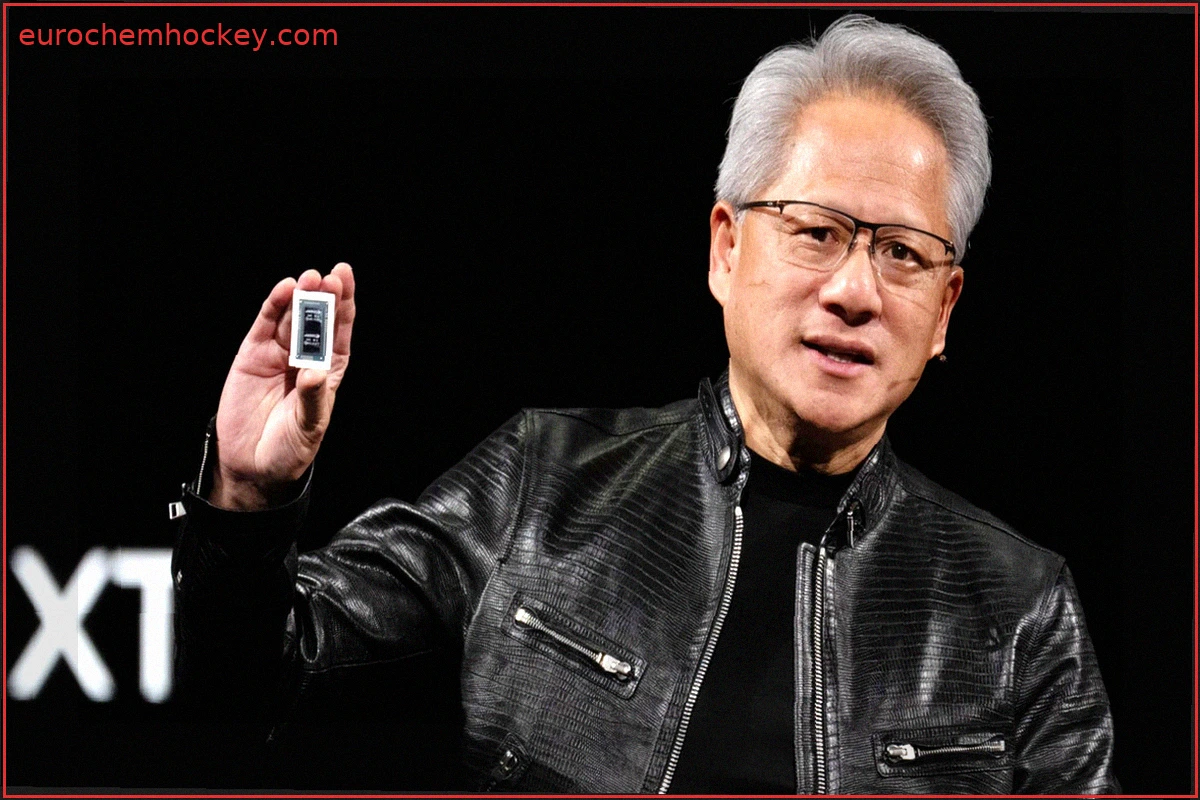
Nvidia's Friday Stock Plunge: Unpacking the Fed's Influence
Nvidia's stock experienced a significant downturn on Friday, shedding billions in market value. The shares, which reached a high of $229.26 during the day, closed at $217.55, a 4.6% drop. This reversal, occurring after a strong earnings report, mirrored a pattern seen wit
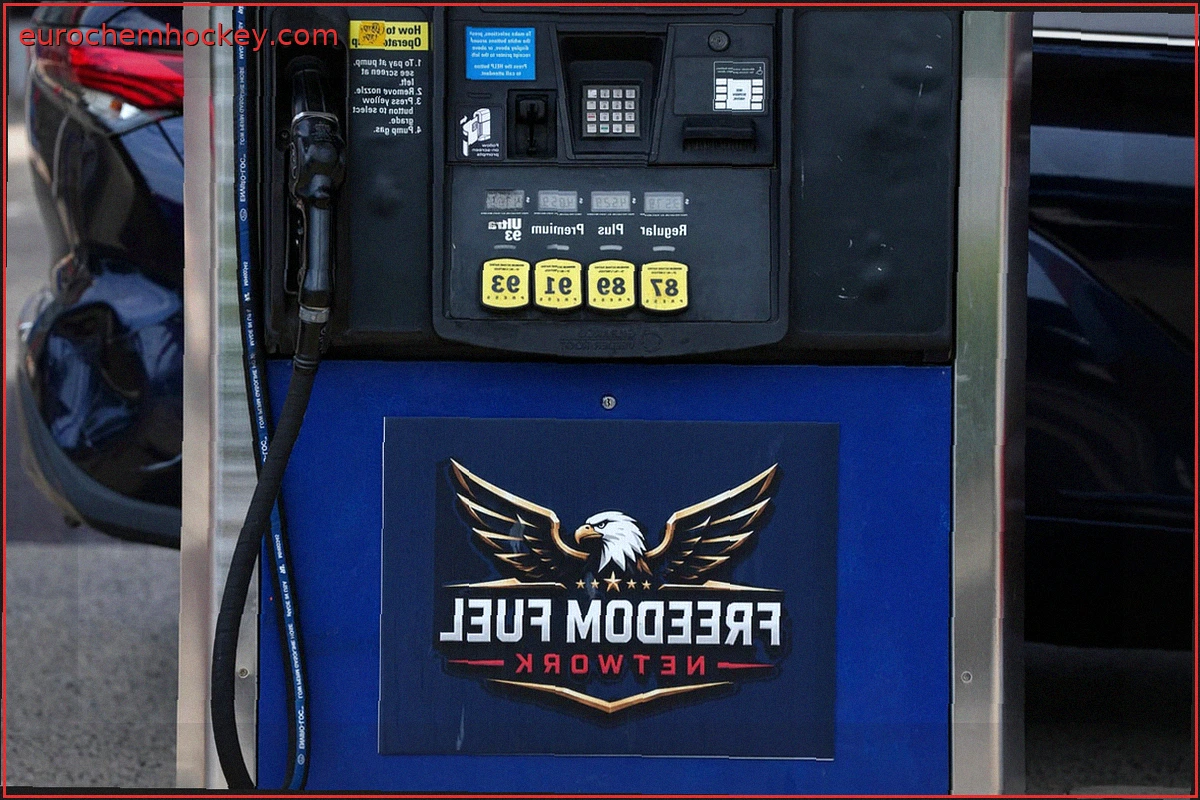
Trump-Promoted Freedom Fuel Stations Accused of Selling Unpaid Gas
A lawsuit filed by a Georgia-based fuel supplier, Mansfield Oil, claims that some of the gasoline sold through the Freedom Fuel Network, which received praise from President Donald Trump for its discounted prices, was never paid for. The federal lawsuit, lodged on August 19th, states that b
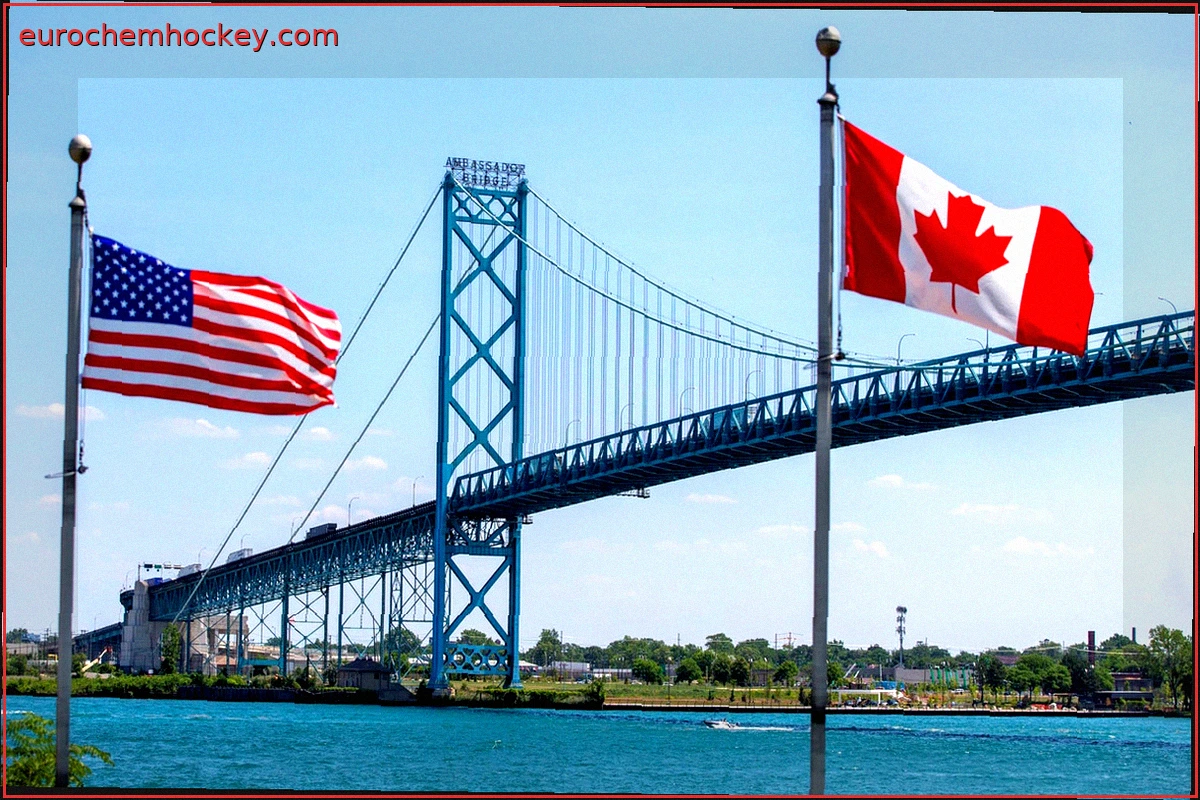
New Tariff Walls in U.S.-Canada Trade: Economic Implications for Critical Metals
The escalating trade dispute between the U.S. and Canada, marked by significant reciprocal tariffs, is prompting businesses, economists, and investors to reassess economic volatility. The U.S. has imposed a 50% tariff on various Canadian goods, leading to Canada's retaliatory tariffs of $2

Dolly Parton: The Unseen Strength in Being Underestimated
In a 2015 interview, the famously optimistic Dolly Parton candidly discussed a period of personal struggle and depression. She revealed feeling guilty about her success during a time of personal health and professional challenges in the 1980s, following a diagnosis of endometriosis an

National Park Service Backs Trump's 250-Foot Arch Despite Adverse Effects on Historic Sites
The National Park Service has given its backing to the proposed 250-foot Triumphal Arch by President Donald Trump, including its location and scale. This decision comes despite the agency's own findings that the monument would negatively impact historic properties and sightlines in the

Trump Administration Considers Yosemite Land Swap for Private Developer's Access Road
The Trump administration is reportedly evaluating a land exchange that could involve a portion of Yosemite National Park. The proposed deal would grant a private developer an access road to the park. The Interior Department and legal representatives for the company, Kingsbarn R