Paramount CEO Faces Final Hurdle in Warner Bros. Discovery Acquisition
David Ellison, head of Paramount, has been spearheading an effort to acquire Warner Bros. Discovery (WBD) for close to a year. However, his path is now blocked by a group of state attorneys general seeking to halt the deal. This antitrust challenge and the resulting delays are forcing Ellison to seek alternative routes to finalize the acquisition.
The protracted delay in completing Paramount's purchase of WBD could significantly increase costs beyond the proposed $110 billion price tag, a concern for media companies already under immense financial pressure.
Despite these obstacles, Ellison remains confident that the deal is not only strategically sound but also achievable. A trial date in March for the antitrust case has been set, and a source close to Ellison's thinking suggests he believes the acquisition will go through.
Paramount's lead trial attorney, Jeffrey Kessler, expressed confidence in the company's position, stating in July that Paramount was prepared to escalate the matter to the Supreme Court if necessary.
Ellison, however, appears to be encountering resistance from California Attorney General Rob Bonta, who is leading the states' legal challenge. Both parties have indicated a willingness to resolve the dispute outside of court, though a media veteran, Tom Rogers, expressed doubt about the state AGs' incentive to settle, given the strong opposition within California.
A spokesperson for Paramount declined to comment on the article.
The Final Threat
Ellison's interest in WBD began in September with initial bids to acquire the media giant, which boasts a renowned film studio, various pay-TV networks, and the HBO Max streaming service.
Ellison's pursuit ultimately prompted WBD to abandon its plan to split into two companies and initiate a formal sale process. After Netflix was initially named the preferred bidder, Ellison launched a more aggressive bid, promising WBD shareholders a premium.
Netflix later withdrew its offer in February, clearing the way for Paramount to enter into an agreement to acquire WBD. The deal had previously received approval from all global regulators, including the U.S. Department of Justice's Antitrust Division.
Currently, Bonta and the other eleven suing states represent the final significant hurdle to Ellison's acquisition.
Bonta has stated his intention to ensure robust regulation, suggesting the Trump administration fell short in this regard, citing perceived improper intervention in other merger situations.
The Ellison family's ties to former President Trump have also drawn scrutiny. Larry Ellison is a known supporter of Trump, and the former president has publicly expressed a desire to see CNN, part of WBD, under Paramount's ownership.
As speculation grew in the spring about a potential challenge from a group of states, particularly concerning the combined portfolios of pay-TV networks and film studios, Paramount initiated communication with Bonta's office. By mid-May, the company had presented a list of potential concessions.
Following a preliminary injunction from a California district court that temporarily halted the deal, Paramount agreed to officially delay the acquisition and prepare for a trial.
However, the March trial date was reportedly later than Paramount executives had hoped for.
In the subsequent weeks, Paramount adopted a more assertive stance.
Paramount's Strategy
Shortly after the lawsuit was filed in mid-July, Ellison publicly advocated for the deal in a New York Times op-ed, joining a broader debate among industry leaders about the proposed merger.
Ellison has also sought to gain the support of Hollywood exhibitors by offering contracts that guarantee a minimum of 30 film releases annually for a combined Paramount-WBD, with a 45-day theatrical window for at least three years.
Reports also emerged that Paramount was considering relocating its studio and headquarters from California in response to Bonta's challenge, with a move to Tennessee reportedly being considered.
This suggestion was met with criticism, with Bonta labeling the relocation threat as "blackmail."
In a recent CNBC interview, Bonta expressed openness to out-of-court discussions but emphasized that any settlement would require "robust structural remedies."
A meeting was subsequently held at Bonta's office, but further discussions were called off after media reports revealed details of the meeting and potential settlement terms, such as divesting some pay-TV networks. Bonta's office cited a "lack of good faith" on Paramount's part, alleging they were behind the leak and misrepresentation of the discussions.
Paramount denied being the source of the leak, expressing hope for continued good-faith discussions to resolve the lawsuit and proceed with their plans for increased competition and output.
Approaching Negotiations
While the specifics of Paramount's concessions to Bonta remain unclear, they appear to differ from the concerns raised by the state attorneys general. Bonta indicated that Paramount wanted to discuss issues outside the scope of the antitrust complaint, such as the streaming market or CNN, rather than the core issues of market concentration in specific sectors.
Paramount has declined to detail its proposed remedies, beyond its commitments to the film industry.
In a July interview, Paramount attorney Kessler stated that the company was prepared to commit in writing to releasing 30 films annually, a promise that had previously been met with skepticism.
Kessler noted that failure to meet this commitment would expose Paramount to litigation, forming the basis of their offer to sign contracts with Hollywood exhibitors.
Recent reports suggest that the state attorneys general are seeking the divestiture of some pay-TV networks included in the merger. The combination of Paramount and WBD would create the largest portfolio of networks in the industry, raising concerns about market power.
Bonta argued that the scale of the combined entity would create "presumptively illegal market concentration" in film and TV, regardless of market conditions.
However, the ongoing challenges within the industry, particularly for these two companies, form the basis of Ellison's merger proposal, which may be a stronger argument than Bonta acknowledges.
Better Together
Industry analysts and insiders have consistently questioned the states' argument that the merger would create antitrust issues. Bernstein analysts noted that while the merger would create a larger competitor, size alone does not equate to market dominance, and neither company possesses the scale to effectively compete against larger global platforms and tech companies.
Recent earnings reports from WBD and Paramount highlight continued losses in pay-TV advertising and distribution revenue, underscoring the need for scale.
Paramount's proposed solution is increased scale. The combined entity would encompass numerous TV networks, including Paramount's Nickelodeon, MTV, BET, and CBS, alongside WBD's TNT, CNN, TBS, and Discovery Channel.
Bernstein analysts stated that consumer behavior, rather than consolidation, dictates the economics of pay-TV, and that the merger would change a participant's scale but not the industry's overall trajectory.
The same logic applies to streaming and film, where Paramount would combine the portfolios of both companies. Ellison has stated that Paramount+ and HBO Max would be merged into a single service, and the combined entity would manage two major film studios. However, neither company currently dominates these sectors.
Bernstein analysts also pointed out that while the combined company might control a significant percentage of US theatrical releases and blockbuster film distribution, these figures fall short of establishing a dominant market position, as theatrical market share is dependent on annual content slates.
Pay TV Profits
Executives at Paramount believe that the decline in pay-TV subscribers is beginning to stabilize. Andy Gordon, chief strategy officer at Paramount, projected a future with a steady subscriber base in the mid-30 million range nationwide.
However, a recent S&P Global Ratings report suggests limited improvement in leverage for these companies over the next few years, indicating continued challenges in distribution discussions with pay-TV operators.
Despite subscriber losses, these channels remain profitable and often fund other aspects of media businesses, such as streaming service development or debt reduction.
Warner Bros. Discovery has been actively repaying debt incurred from its 2022 merger. If Paramount's acquisition of WBD is completed, the combined company would hold nearly $80 billion in debt.
Delays beyond September 30th would incur additional expenses for Paramount due to a "ticking fee" owed to WBD shareholders. Paramount has requested that the court require the suing states to post a $1.88 billion bond to cover these fees and costs associated with delays.
Fresh materials — MMA News
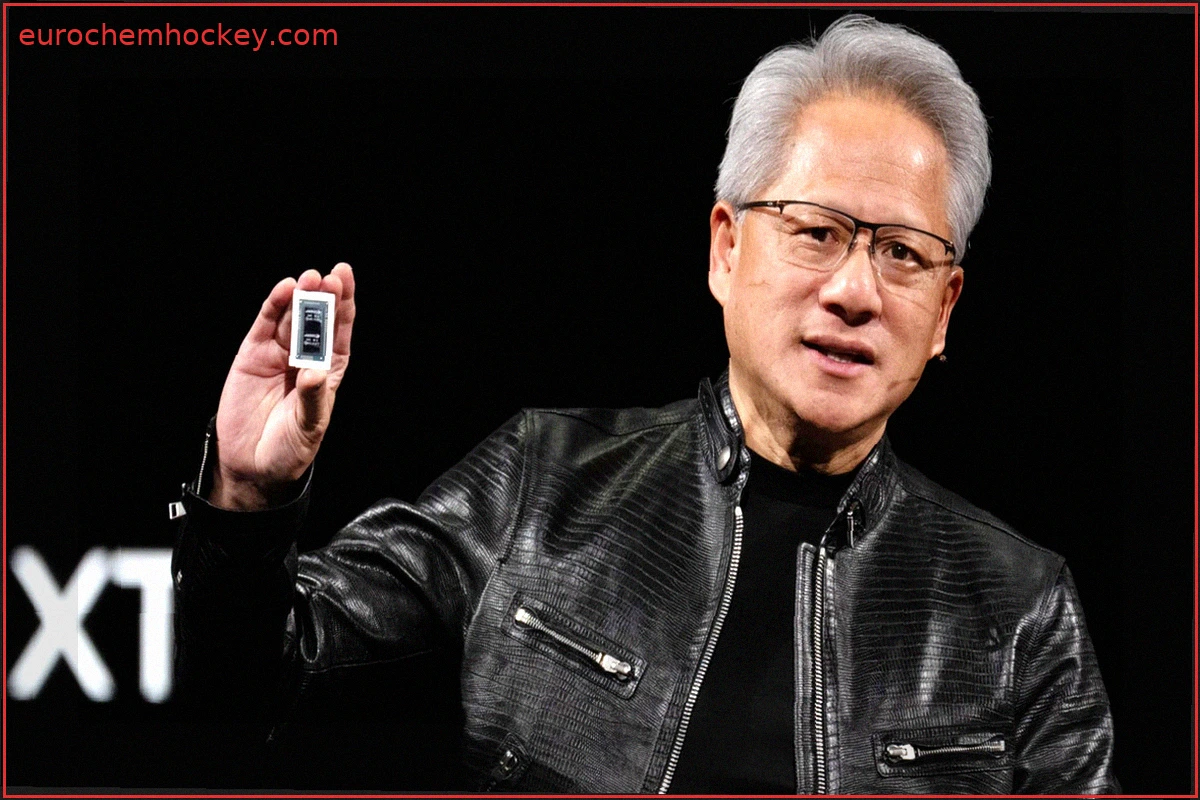
Nvidia's Friday Stock Plunge: Unpacking the Fed's Influence
Nvidia's stock experienced a significant downturn on Friday, shedding billions in market value. The shares, which reached a high of $229.26 during the day, closed at $217.55, a 4.6% drop. This reversal, occurring after a strong earnings report, mirrored a pattern seen wit
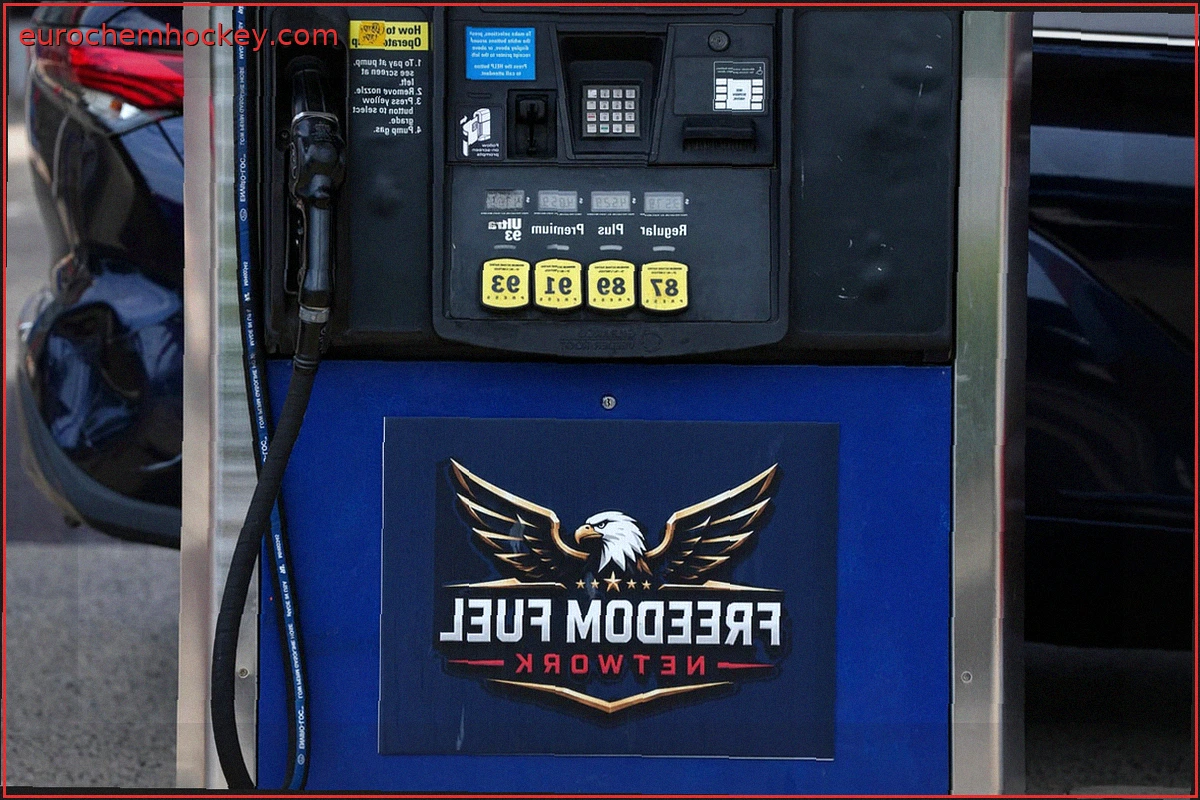
Trump-Promoted Freedom Fuel Stations Accused of Selling Unpaid Gas
A lawsuit filed by a Georgia-based fuel supplier, Mansfield Oil, claims that some of the gasoline sold through the Freedom Fuel Network, which received praise from President Donald Trump for its discounted prices, was never paid for. The federal lawsuit, lodged on August 19th, states that b
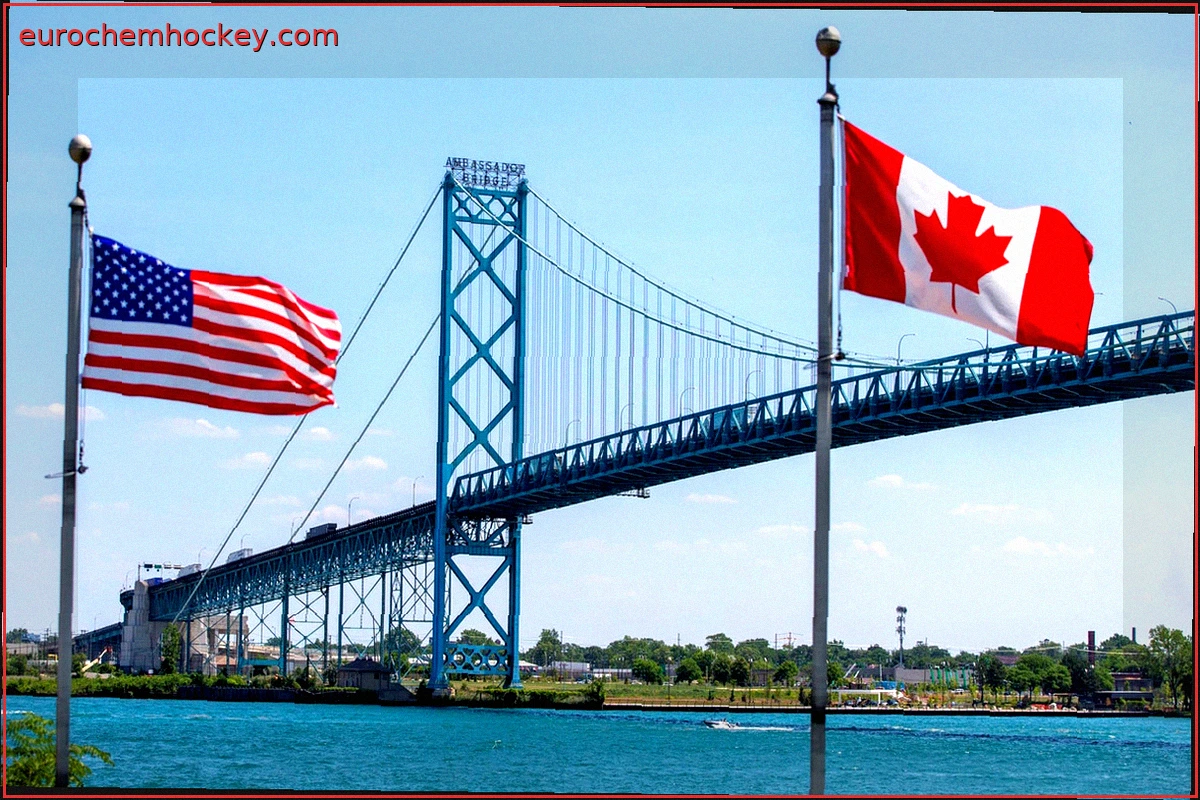
New Tariff Walls in U.S.-Canada Trade: Economic Implications for Critical Metals
The escalating trade dispute between the U.S. and Canada, marked by significant reciprocal tariffs, is prompting businesses, economists, and investors to reassess economic volatility. The U.S. has imposed a 50% tariff on various Canadian goods, leading to Canada's retaliatory tariffs of $2

Dolly Parton: The Unseen Strength in Being Underestimated
In a 2015 interview, the famously optimistic Dolly Parton candidly discussed a period of personal struggle and depression. She revealed feeling guilty about her success during a time of personal health and professional challenges in the 1980s, following a diagnosis of endometriosis an

National Park Service Backs Trump's 250-Foot Arch Despite Adverse Effects on Historic Sites
The National Park Service has given its backing to the proposed 250-foot Triumphal Arch by President Donald Trump, including its location and scale. This decision comes despite the agency's own findings that the monument would negatively impact historic properties and sightlines in the

Trump Administration Considers Yosemite Land Swap for Private Developer's Access Road
The Trump administration is reportedly evaluating a land exchange that could involve a portion of Yosemite National Park. The proposed deal would grant a private developer an access road to the park. The Interior Department and legal representatives for the company, Kingsbarn R