Scott Bessent Criticizes Elizabeth Warren's Yen Intervention Questions
Treasury Secretary Scott Bessent launched a strong personal attack on Senator Elizabeth Warren, accusing her of misunderstanding foreign exchange markets. This occurred after Warren questioned a rare U.S. intervention in the Japanese yen.
"In her latest sciolistic letter to me, @SenWarren made it clear that she knows even less about foreign exchange markets than she does about banking," Bessent stated on X, referring to the ranking Democrat on the Senate banking committee. He offered to provide Warren and her staff with a lesson on "Foreign Exchange for Dummies" and criticized the media for not highlighting what he considered her "remedial error."
Senator Warren responded by highlighting recent challenges for the Treasury Secretary.
"Tough couple weeks for Sec. Bessent," Warren posted on X. "His effort to prop up a foreign currency hasn't worked. His failed intervention in Treasury markets was blasted by his mentor as burning 'two centuries' of credibility. Trump's economy is crushing families. Maybe he should focus on that."
Bessent's remarks were a reply to Warren's August 13 letter. In it, she requested details regarding the Treasury's decision to sell euros from its Exchange Stabilization Fund and buy yen. This action was taken after the Japanese currency dropped to a 40-year low.
According to Bessent, Warren's initial paragraph mistakenly implied that Japan owed money to the Treasury. She had written that "American taxpayers would ultimately bear the cost if Japan were unable to repay" the department.
"Treasury exchanged existing Exchange Stabilization Fund foreign-currency assets for yen," Bessent clarified in his Thursday response. "No new congressional appropriation was involved, and no credit was extended to Japan. Japan owes Treasury nothing."
Despite the opening phrasing, Warren's letter later accurately described the intervention as a sale of euros for yen, explicitly stating that Japan had not borrowed from the Treasury or the Federal Reserve.
Bessent defended the intervention as necessary to safeguard U.S. economic interests, asserting that a volatile yen could destabilize global markets and increase U.S. borrowing costs. However, his one-page response did not answer several of Warren's questions. Notably, Bessent did not reveal the amount of yen purchased by the Treasury, the exchange rate used, or the current value of the position. This is despite a Reuters photo from July 31 showing Bessent's notepad with the notation, "Buy Japanese Yen (JPY) $5-10 bil." He also did not state whether the European Central Bank was consulted prior to the euro sale or provide the detailed legal justification Warren sought.
This intervention was the first joint effort by the U.S. and Japan to strengthen the yen since 1998. Japanese Finance Ministry data released Friday shows that Japan spent 15.4 trillion yen, approximately $96.5 billion, to support its currency between July 30 and August 26, a record for that period.
A spokesperson for the Senate banking committee Democrats, Saloni Sharma, stated that Bessent "should focus ... on reducing the cost of living for the American families struggling in President Trump's economy," rather than engaging in "petty grievances with Senator Warren."
The Treasury Department did not immediately respond to a request for comment.
Fresh materials — MMA News
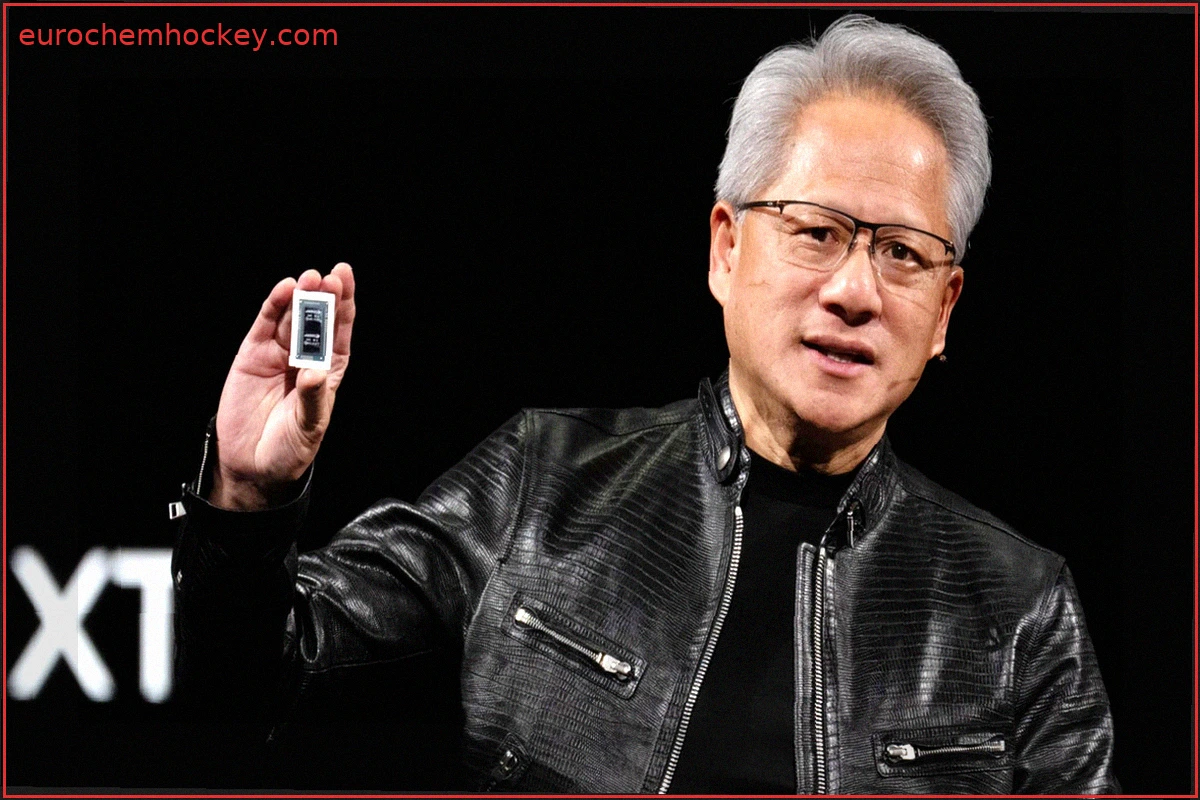
Nvidia's Friday Stock Plunge: Unpacking the Fed's Influence
Nvidia's stock experienced a significant downturn on Friday, shedding billions in market value. The shares, which reached a high of $229.26 during the day, closed at $217.55, a 4.6% drop. This reversal, occurring after a strong earnings report, mirrored a pattern seen wit
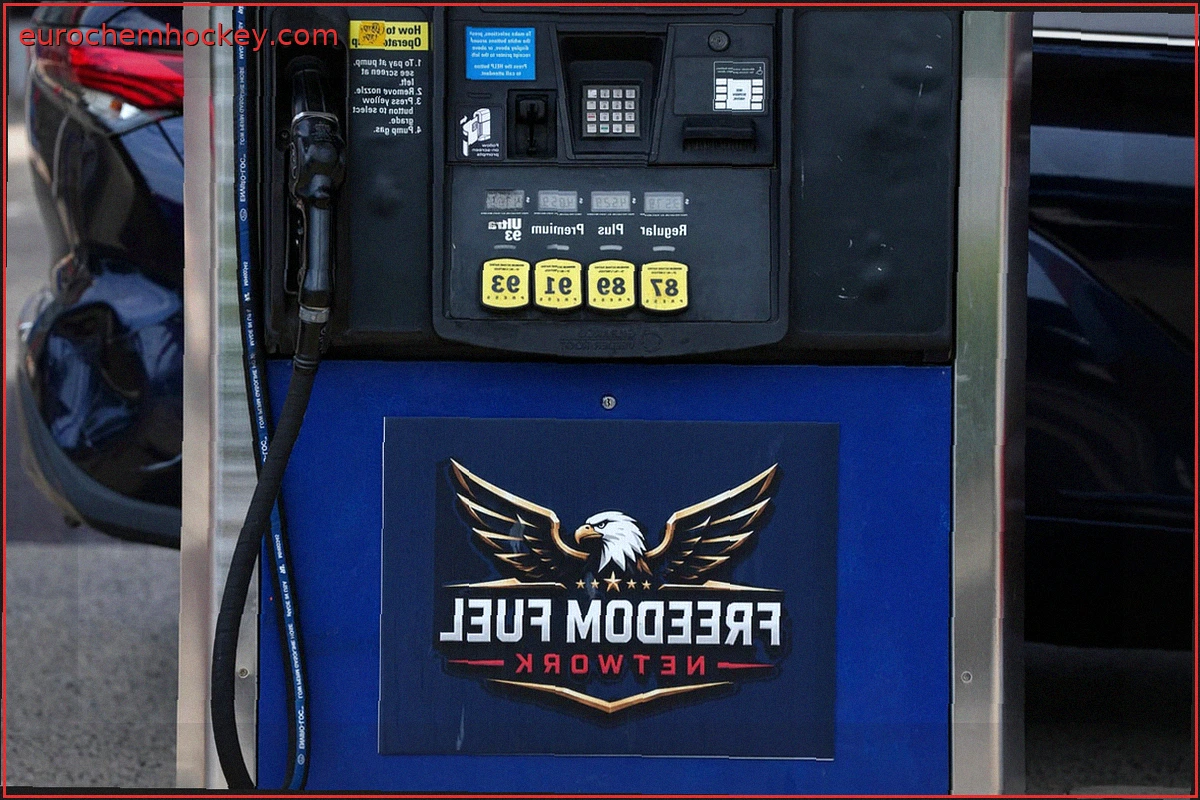
Trump-Promoted Freedom Fuel Stations Accused of Selling Unpaid Gas
A lawsuit filed by a Georgia-based fuel supplier, Mansfield Oil, claims that some of the gasoline sold through the Freedom Fuel Network, which received praise from President Donald Trump for its discounted prices, was never paid for. The federal lawsuit, lodged on August 19th, states that b
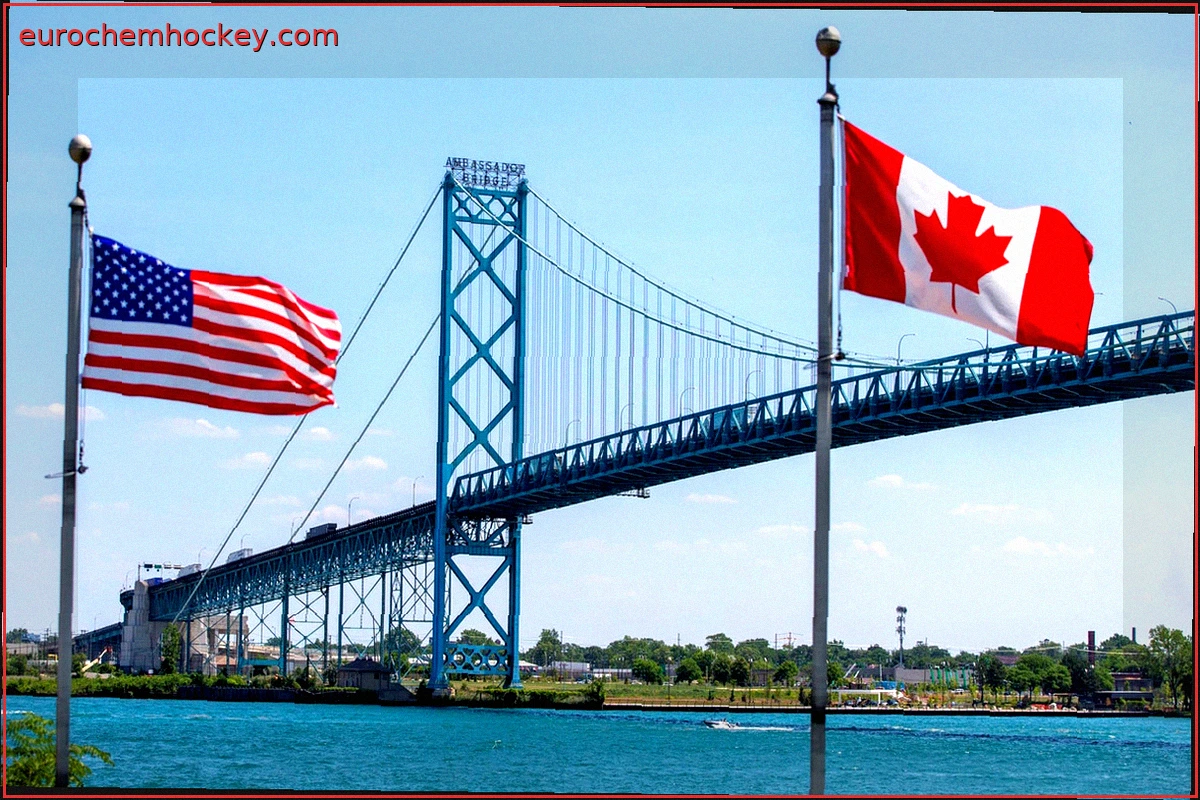
New Tariff Walls in U.S.-Canada Trade: Economic Implications for Critical Metals
The escalating trade dispute between the U.S. and Canada, marked by significant reciprocal tariffs, is prompting businesses, economists, and investors to reassess economic volatility. The U.S. has imposed a 50% tariff on various Canadian goods, leading to Canada's retaliatory tariffs of $2

Dolly Parton: The Unseen Strength in Being Underestimated
In a 2015 interview, the famously optimistic Dolly Parton candidly discussed a period of personal struggle and depression. She revealed feeling guilty about her success during a time of personal health and professional challenges in the 1980s, following a diagnosis of endometriosis an

National Park Service Backs Trump's 250-Foot Arch Despite Adverse Effects on Historic Sites
The National Park Service has given its backing to the proposed 250-foot Triumphal Arch by President Donald Trump, including its location and scale. This decision comes despite the agency's own findings that the monument would negatively impact historic properties and sightlines in the
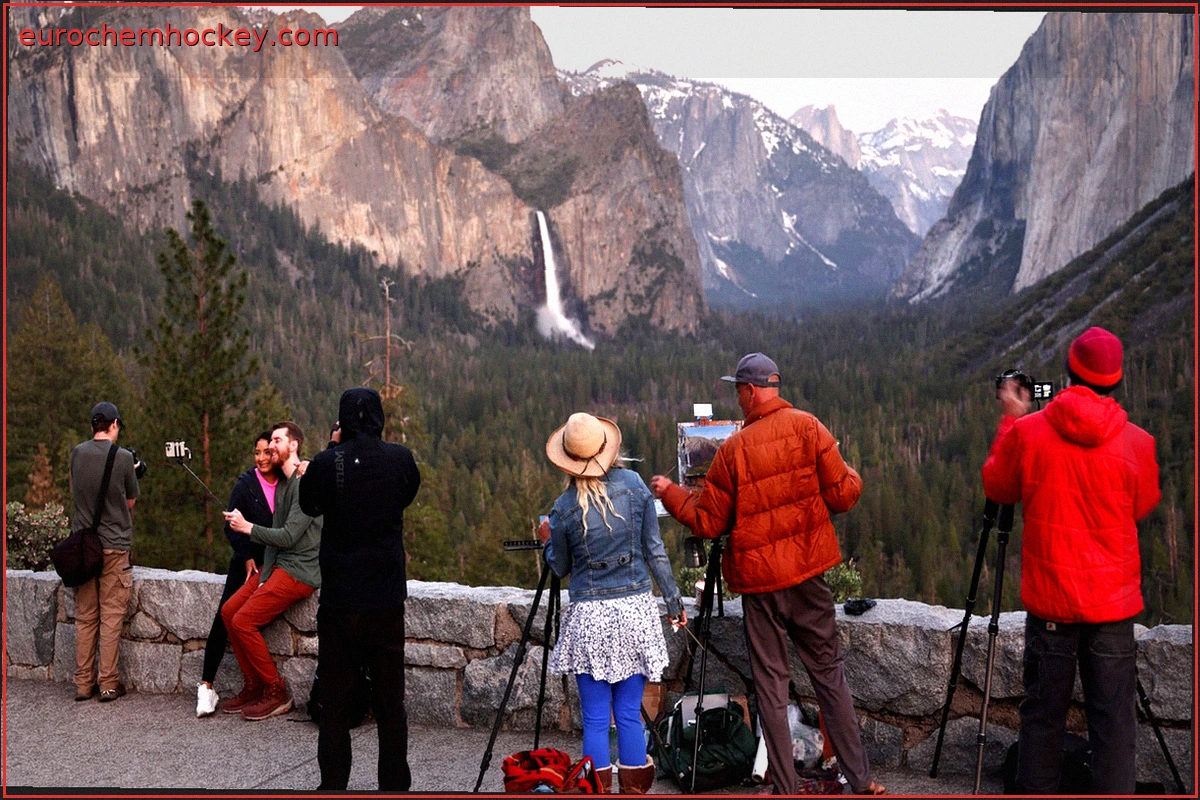
Trump Administration Considers Yosemite Land Swap for Private Developer's Access Road
The Trump administration is reportedly evaluating a land exchange that could involve a portion of Yosemite National Park. The proposed deal would grant a private developer an access road to the park. The Interior Department and legal representatives for the company, Kingsbarn R