Warsh Faces Fed Independence Test Amidst Bessent's Bond Market Moves
If Treasury Secretary Scott Bessent intends to exert significant government influence over the bond market, he cannot act alone. Any sustained effort to lower Treasury yields would necessitate collaboration with his long-time associate, Federal Reserve Chairman Kevin Warsh.
Bessent's maneuvers to impact the bond market will intensify the scrutiny on Warsh, compelling him to clarify his stance on the Federal Reserve's independence and its strategy for managing the substantial volume of U.S. government debt.
Historically, the Federal Reserve has only intervened in the bond market to influence yields during periods of severe economic downturn or genuine crises. The concerns Bessent has voiced thus far do not meet this threshold, and there are no indications that the central bank plans to intervene at present. However, the precise boundaries between the responsibilities of the Treasury and the Fed are not rigidly defined. Warsh has repeatedly stated his belief that the Fed should cede more authority to the Treasury on sensitive matters pertaining to the Fed's balance sheet.
The Treasury Department announced on Wednesday its intention to buy back at least $2 billion worth of long-dated treasuries, in addition to its ongoing plans. This would need to be offset by the issuance of shorter-maturity debt.
Bessent hinted at further actions, stating, "We have a big toolkit, so we'll see." He further elaborated, "Part of it is signaling here and to show that we believe that the yields don't reflect the underlying fundamentals." Yields on the 10-year Treasury note did decline on Wednesday but largely reversed those gains by Thursday.
"There's more firepower in terms of how you manage the yield curve sitting at the Federal Reserve," remarked Rick Rieder, chief investment officer of global fixed income, to CNBC on Wednesday. "Going to Jackson Hole, that's going to be interesting to see how they address that," Rieder added.
Even before the Jackson Hole Economic Policy Symposium, the annual late-August gathering of central bankers in Wyoming, Warsh was already facing questions about his relationship with the Treasury market.
Following the FOMC's July meeting, some market participants interpreted Warsh's remarks as an indication that he welcomed a rise in long-term bond yields.
Loretta Mester, former president of the Cleveland Fed, noted that bond traders further increased yields to account for this uncertainty. "I think part of what's happening is we don't have very much clarity yet on what Kevin Warsh's plans are," Mester said in an interview on CNBC. "We don't even have clarity on their reaction function."
In July, Warsh expressed concern about inflation but did not directly answer reporters' questions about the conditions that would necessitate an interest rate hike to combat it.
Fed Independence
Warsh has also been ambiguous regarding the exact limits of the Fed's authority over specific aspects of the financial system.
"Fed independence is at its peak in the conduct of monetary policy," Warsh stated during his Senate confirmation hearing in April. This nuanced perspective suggests that certain Fed operations are not entirely independent. Warsh identified bank supervision as an example of non-independent policy but has not fully detailed what falls within and outside this category.
Warsh has also indicated a desire for the Fed to redefine its relationship with the Treasury. In 2025, he proposed updating the 1951 Treasury-Fed Accord, which established the fundamental division of responsibilities between the two institutions and safeguarded the Fed's political independence. As part of this revised accord, Warsh suggested granting the Treasury greater authority over any significant adjustments to the Fed's substantial balance sheet.
"The Treasury secretary would need to find the proposed change in Fed holdings acceptable, given that it is partially fiscal policy in disguise," Warsh stated in 2025.
The Federal Reserve's approach to the approximately $6.7 trillion in financial assets currently on its balance sheet could significantly impact Bessent's objectives. Warsh's existing plans appear to contradict Bessent's aim of lowering yields. Warsh advocates for the Fed to reduce its overall holdings and reallocate them toward short-term debt, which would likely lead to an increase in yields on longer-term Treasuries—the opposite of Bessent's desired outcome.
However, there is internal division within the Fed on this issue. Minutes from the Federal Open Market Committee's July meeting revealed that the Fed deferred decisions regarding its balance sheet until a task force, assigned by Warsh, reports on the matter. This report is expected late this year or early next.
In practice, the Treasury and the Fed have historically communicated regarding major changes to the balance sheet. Bessent indicated on Thursday in a CNBC interview that this practice would continue.
"I think that the Treasury and the Fed would work together if there was any change in the balance sheet, and we would adjust to any kind of runoff that they're doing," Bessent said.
Neither the Federal Reserve nor the Treasury Department provided responses to emailed inquiries regarding whether Bessent's comment suggested the commencement of coordination between him and Warsh.
Fresh materials — MMA News
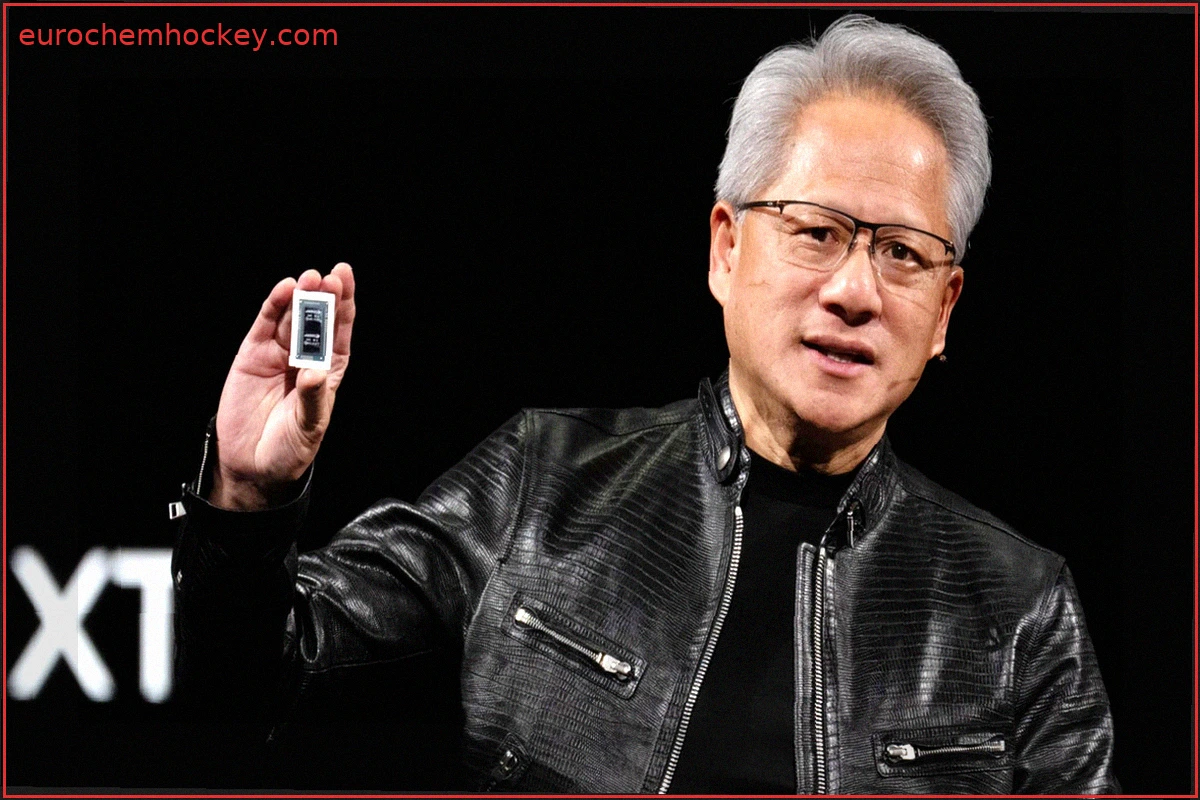
Nvidia's Friday Stock Plunge: Unpacking the Fed's Influence
Nvidia's stock experienced a significant downturn on Friday, shedding billions in market value. The shares, which reached a high of $229.26 during the day, closed at $217.55, a 4.6% drop. This reversal, occurring after a strong earnings report, mirrored a pattern seen wit
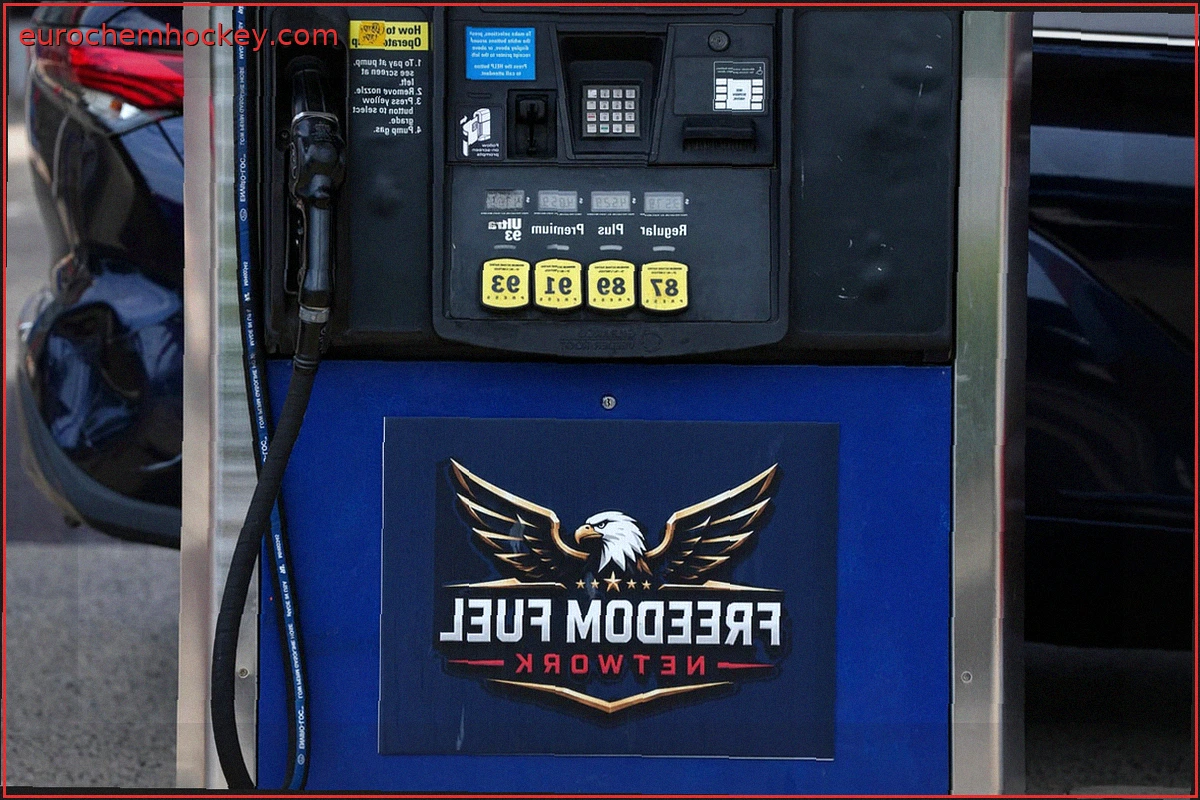
Trump-Promoted Freedom Fuel Stations Accused of Selling Unpaid Gas
A lawsuit filed by a Georgia-based fuel supplier, Mansfield Oil, claims that some of the gasoline sold through the Freedom Fuel Network, which received praise from President Donald Trump for its discounted prices, was never paid for. The federal lawsuit, lodged on August 19th, states that b
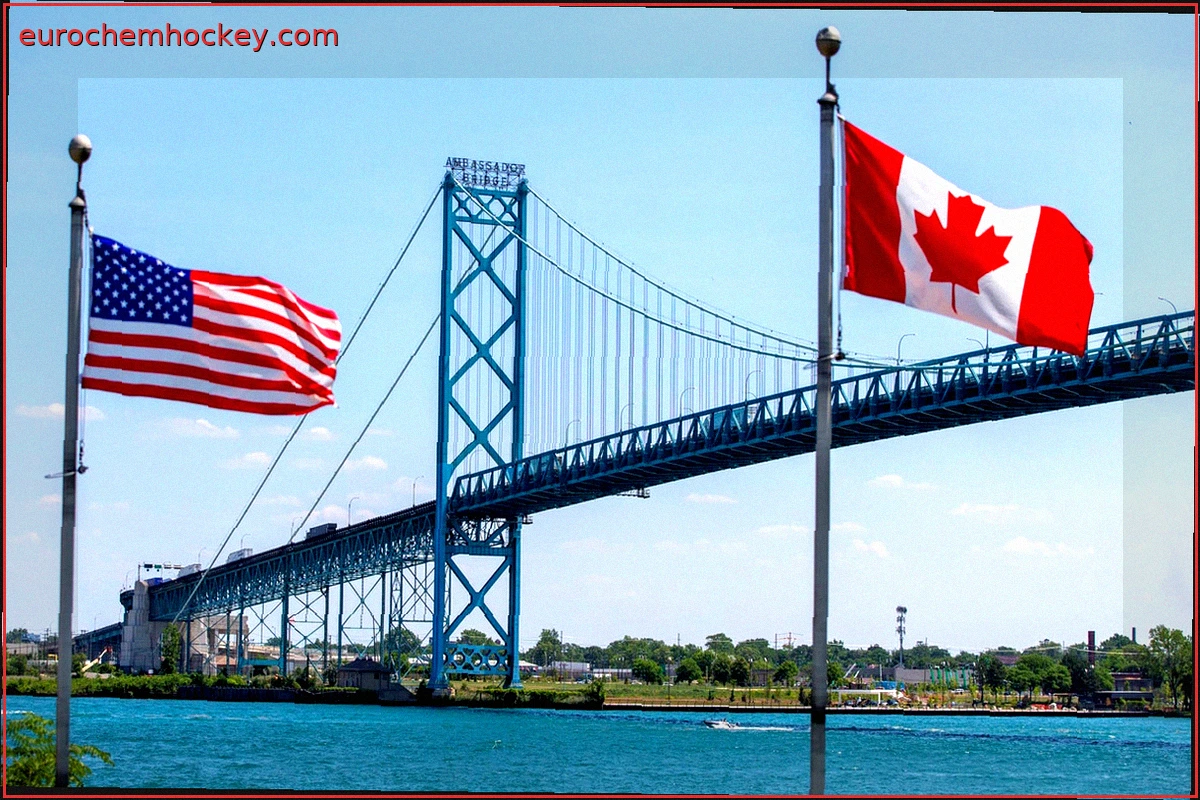
New Tariff Walls in U.S.-Canada Trade: Economic Implications for Critical Metals
The escalating trade dispute between the U.S. and Canada, marked by significant reciprocal tariffs, is prompting businesses, economists, and investors to reassess economic volatility. The U.S. has imposed a 50% tariff on various Canadian goods, leading to Canada's retaliatory tariffs of $2
Dolly Parton: The Unseen Strength in Being Underestimated
In a 2015 interview, the famously optimistic Dolly Parton candidly discussed a period of personal struggle and depression. She revealed feeling guilty about her success during a time of personal health and professional challenges in the 1980s, following a diagnosis of endometriosis an
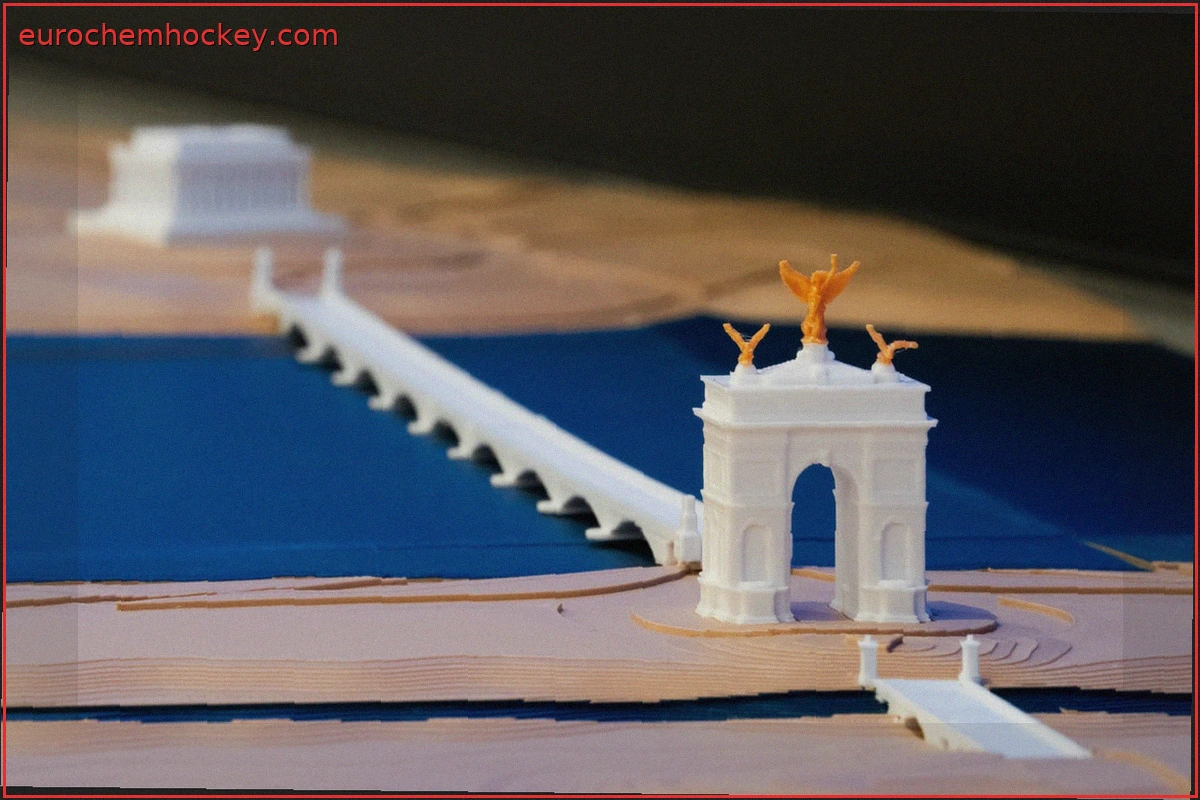
National Park Service Backs Trump's 250-Foot Arch Despite Adverse Effects on Historic Sites
The National Park Service has given its backing to the proposed 250-foot Triumphal Arch by President Donald Trump, including its location and scale. This decision comes despite the agency's own findings that the monument would negatively impact historic properties and sightlines in the
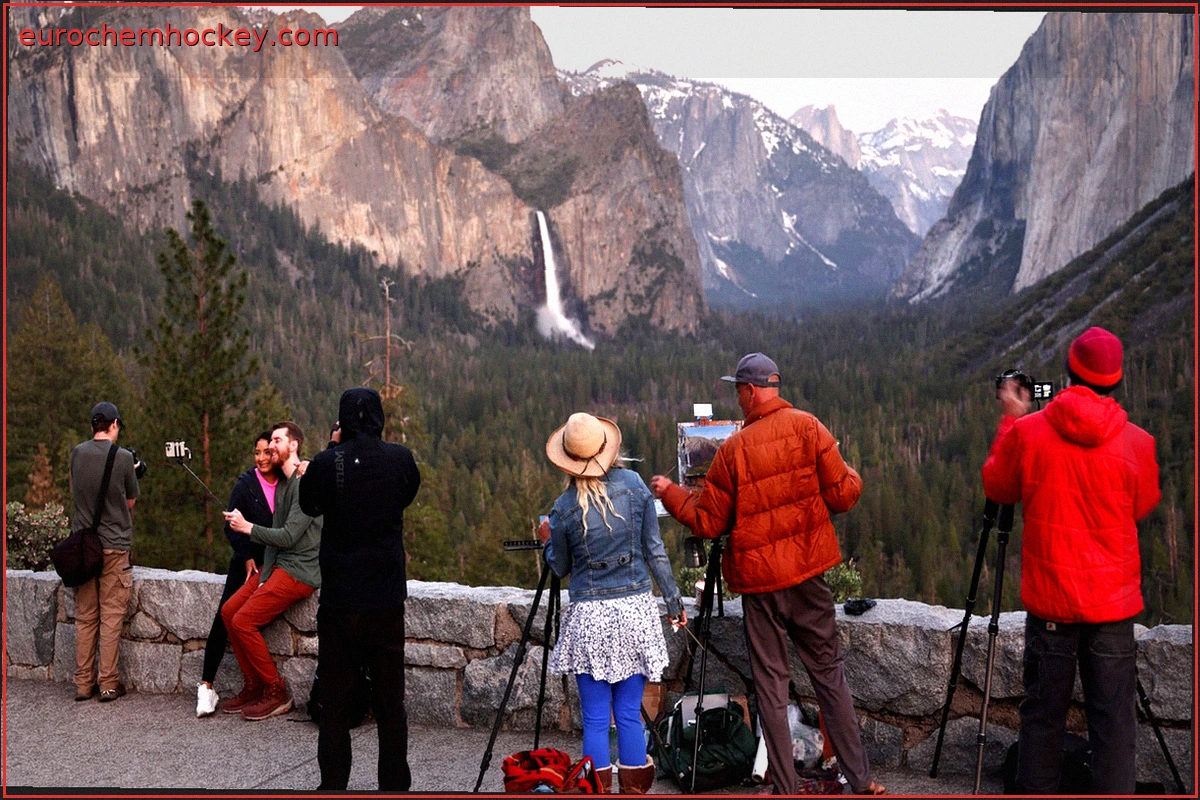
Trump Administration Considers Yosemite Land Swap for Private Developer's Access Road
The Trump administration is reportedly evaluating a land exchange that could involve a portion of Yosemite National Park. The proposed deal would grant a private developer an access road to the park. The Interior Department and legal representatives for the company, Kingsbarn R