New Jersey Devils: Key Storylines for October
The New Jersey Devils face the 2026-27 season with much to prove. After a disappointing finish last season, missing the playoffs and placing second-to-last in the Metropolitan Division, the team underwent significant changes over the summer. Sunny Mehta is the new general manager, goaltender Jacob Markstrom was traded, and the forward lines saw additions like Anthony Mantha, Evan Rodrigues, and Luke Evangelista.
These offseason moves must now translate into on-ice results. The Devils kick off their regular season on October 1st against division rival Philadelphia Flyers. October offers a fresh start for this reshaped roster and will be the first real indication of whether the summer's adjustments can fix the issues that plagued them in the 2025-26 season. While conclusions will be premature, the opening month should provide key insights into the team's potential for the 2026-27 campaign.
Here are three major storylines to follow as the Devils begin the new season.
Goaltending Stability: Can Allen and Daws Deliver?
The primary concern for the Devils heading into October is their goaltending situation. With Markstrom traded, the net is now primarily guarded by Jake Allen, Nico Daws, and David Rittich. Allen is expected to start, with Daws serving as his backup in his first full season with the NHL roster.
Allen, 36, brings veteran experience. Last season, he appeared in 37 games for the Devils, posting a 17-17-2 record, a .904 save percentage (SV%), and a 2.74 goals-against average (GAA). He has shown he can handle an NHL workload and provide reliable stretches of play.
Daws, 25, presents a bigger question. He has spent time between New Jersey and the AHL and is considered a goaltender with potential. However, he has never had an extended opportunity to establish himself at the NHL level. That chance is now his, as Mehta and the Devils give Daws an opportunity to prove his capability as a reliable NHL goaltender.
Despite playing in only 55 NHL games over five seasons, his career numbers stand at a .898 SV% and a 2.96 GAA. New Jersey's management believes inconsistent opportunities have hindered his development, a point Mehta has openly discussed. October is therefore crucial for Daws. The Devils need him to deliver dependable starts and give coach Sheldon Keefe confidence in rotating goaltenders. With Allen in the later stages of his career, New Jersey requires stability from both members of its goaltending tandem. If Allen remains consistent and Daws proves to be a reliable NHL option, the Devils could find themselves with a much more stable goaltending situation.
Given that goaltending contributed to some of New Jersey's most significant struggles last season, avoiding another year of irregularity in net will be vital for the team's success this upcoming campaign.
New Forward Group Cohesion: How Quickly Will It Click?
The Devils significantly reshaped their forward lines over the offseason, targeting secondary scoring as a key area for improvement. For years, the offense has heavily relied on Nico Hischier, Jack Hughes, Jesper Bratt, and Timo Meier. This reliance became more problematic last season when injuries across the lineup made it difficult for the Devils to generate consistent scoring from their depth. Averaging 2.76 goals per game in 2025-26, the sixth-lowest mark in the NHL, underscored the need for more offensive production throughout the lineup.
The Devils addressed this by adding Mantha, Rodrigues, Evangelista, and Jesper Boqvist. Each brings unique qualities, providing New Jersey with more options and potentially a deeper offensive threat.
Mantha is coming off a career-best 33-goal season with the Pittsburgh Penguins, totaling 64 points, a plus-10 rating, and seven power-play goals. His scoring prowess is a welcome addition, but his size—6-foot-5—could be equally important. Mantha offers a physical presence that has been lacking in the forward group, combined with offensive ability to complement skilled players.
Rodrigues brings valuable NHL experience and a strong two-way game. His versatility should offer Keefe another reliable option in various lineup situations. Boqvist returns to a familiar organization, adding offensive capability and depth.
Evangelista, acquired later in the offseason, could have a significant impact. The 24-year-old recorded 56 points, including 12 goals and 44 assists, with the Nashville Predators last season. He might start the season on a line with Hischier and Meier, offering him an opportunity to play alongside two of New Jersey's most talented offensive players, which could provide an ideal environment for him to build on his previous season's production.
The question for October is how quickly these pieces will come together. While the forward group possesses considerable individual talent, transforming that into cohesive offensive pressure will be the real challenge. New Jersey doesn't require every forward to make an immediate impact; more importantly, the team needs to establish a sustainable offensive identity and find sufficient secondary scoring. If the new additions can complement the existing core and contribute consistently, the Devils should boast a more balanced attack than they did last season.
Health Check: Can the Devils Stay Healthy?
An often-overlooked but critical storyline for the Devils as they enter October is their ability to remain healthy. Injuries played a significant role in New Jersey's 2025-26 season, disrupting consistency as key players missed substantial time. Jack Hughes' extended absence was a major setback.
Hughes missed approximately two months due to finger surgery following a non-hockey-related accident. His availability has been a recurring concern in recent seasons, with past shoulder injuries also impacting him. He has yet to play a full 82-game season. For a Devils team that relies heavily on its star center to drive offense, keeping Hughes in the lineup could be a crucial difference-maker in 2026-27.
Hughes was not the only player to be affected by injuries last season. Markstrom, Arseny Gritsyuk, Luke Hughes, Stefan Noesen, and Johnathan Kovacevic all dealt with significant injuries at various points, some requiring surgery and others causing considerable time off the ice. With so many important players moving in and out of the lineup, the Devils struggled to maintain consistency.
New Jersey started the 2025-26 campaign strongly but faced increasing difficulty as injuries mounted. The challenge entering October is to avoid another season of ups and downs and establish good habits that help the team stay as healthy as possible.
One reason New Jersey added players like Mantha, Rodrigues, and Evangelista was to create a deeper and more versatile roster. When injuries inevitably occur, the Devils need these additions to prevent one or two absences from completely altering the team's identity and playing style.
October: Setting the Tone
The Devils do not need to have everything figured out by the end of October. With numerous new players entering the lineup, growing pains are expected during the first couple of months. New players will adapt to a new system, different line combinations will be tested, and adjustments will be made as the season progresses.
The critical factor is whether New Jersey begins to show signs that it has addressed the issues that hampered the team last season. October should offer the first real glimpse of whether the Devils' offseason changes can lead to a more stable and well-rounded team on the ice.
With a new GM, a revamped roster, and renewed expectations, Devils fans will have plenty to watch closely throughout the opening month.
Fresh materials — NHL news
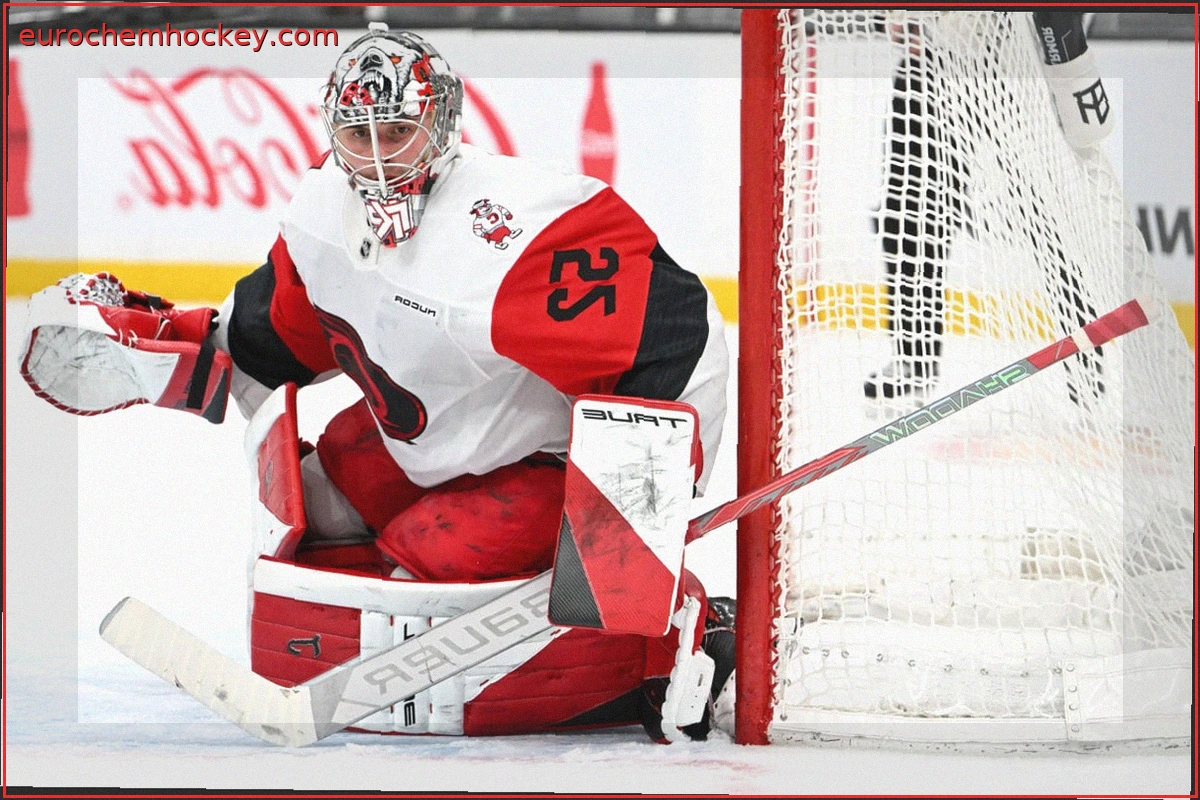
Carolina Hurricanes Sign Pyotr Kochetkov Through 2028-29 Season
Following a comeback victory in Greensboro, the Carolina Hurricanes announced Friday morning they have signed goaltender Pyotr Kochetkov to a two-year contract extension. This deal will keep him in Raleigh until the conclusion of the 2028-29 season. Kochetkov Extended for Two

Matvei Gridin's Expected Breakout Sophomore Season with the Calgary Flames
Matvei Gridin, drafted 28th overall in the 2024 NHL Entry Draft, appears set for a breakout season with the Calgary Flames as they continue their rebuild. He has shown well in training camp and early preseason games. Last season, Gridin played for both the Flames and their Am
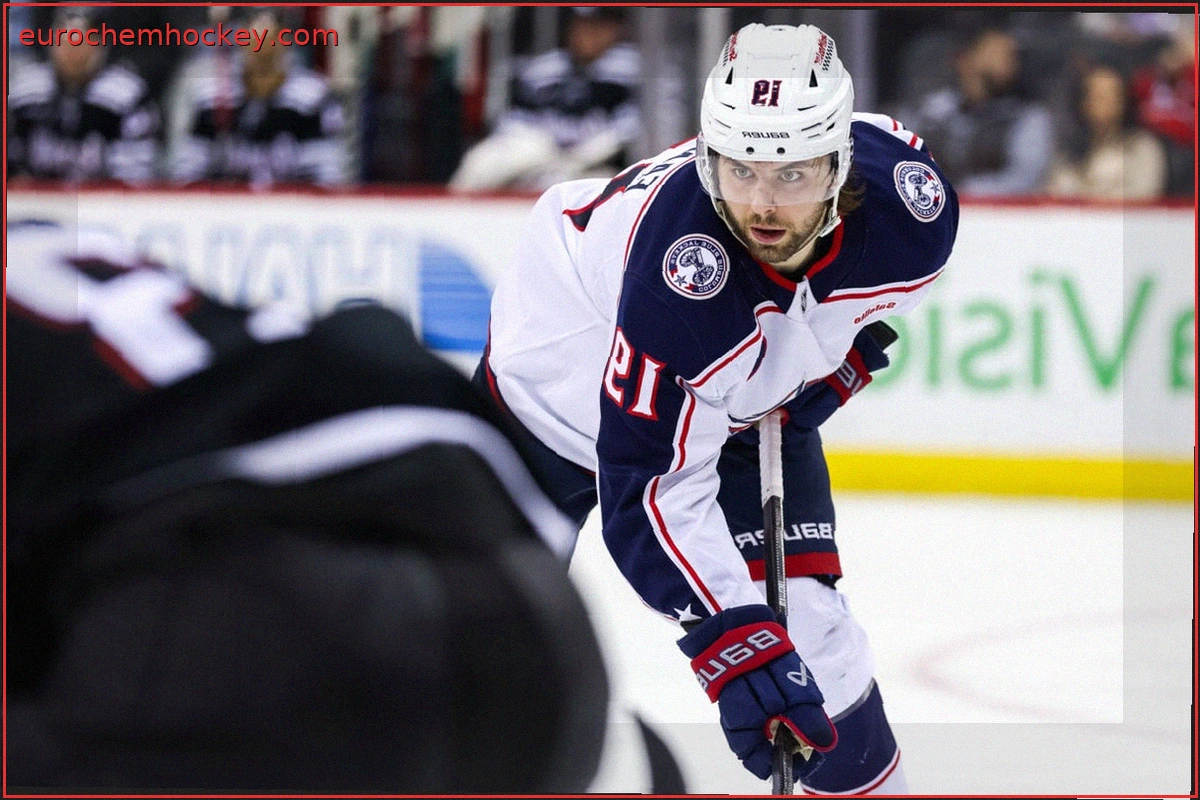
Adam Fantilli Signs 6-Year, $82.5 Million Deal with Blue Jackets
Columbus Blue Jackets secured a significant agreement with Adam Fantilli, finalizing a 6-year, $82.5 million contract. This deal keeps the talented forward with Columbus through the 2031-32 season and establishes the largest average annual value (AAV) in franchise history at $13.75 million.

Sabres News: Preseason Update, Injury Status, and Key Player Performances
The Buffalo Sabres are at the halfway point of their preseason schedule, with their season opener against the Blue Jackets in Columbus just one week away on October 1. Preseason Underway The preseason is nearing its end, and the Sabres have showcased both their depth players and their
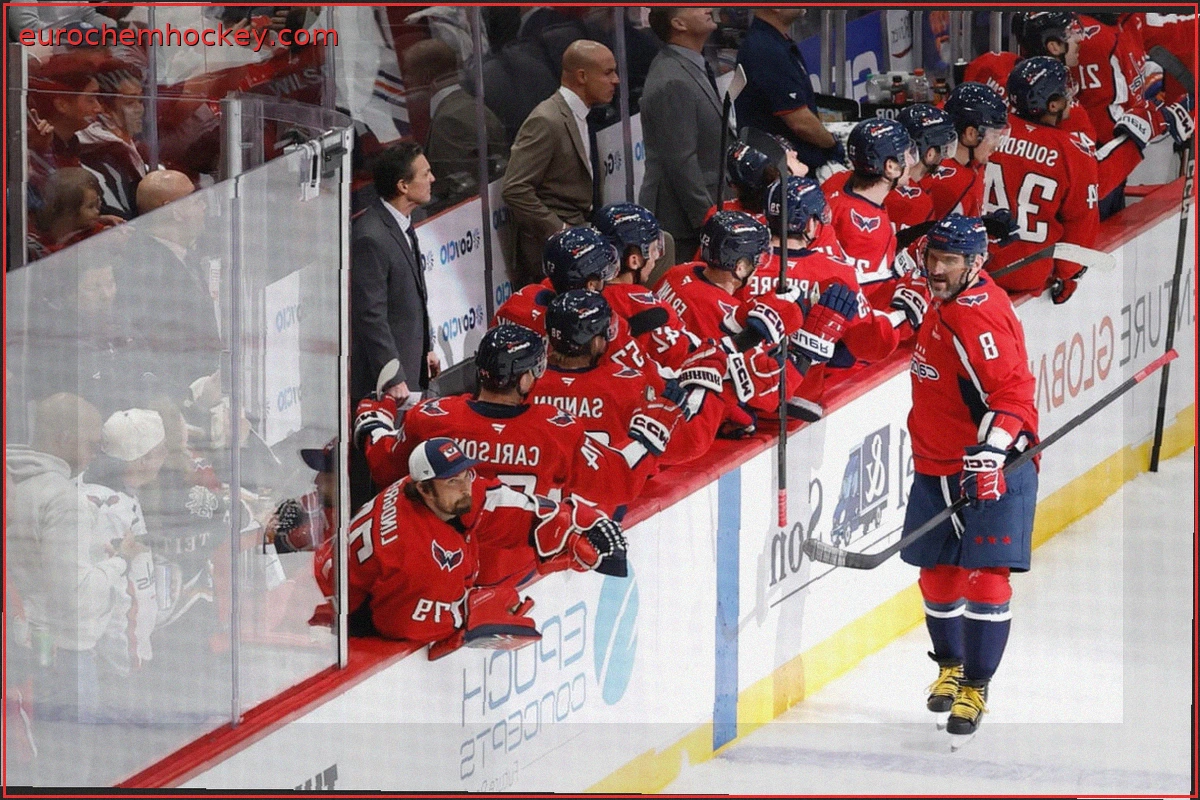
Washington Capitals Rework Power Play for 2026-27 Season
With only two preseason games remaining before the 2026-27 NHL season begins, the Washington Capitals are focusing on crucial adjustments. Among the key areas needing refinement is the power play, which proved to be a significant factor in the team missing the playoffs last season. Despite finish
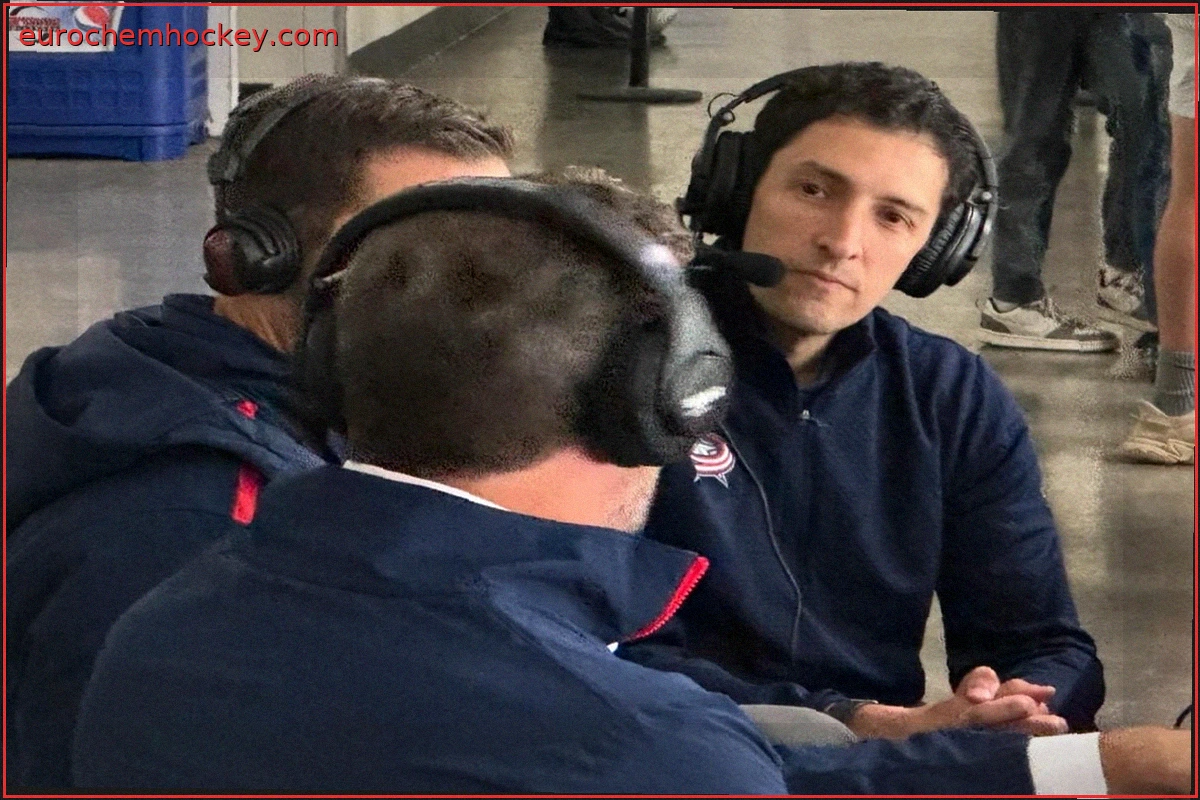
Steve Mears on Blue Jackets' Simulcast: "I've Experienced Both Sides"
Steve Mears, now calling play-by-play for the Columbus Blue Jackets, understands the situation Bob McElligott faced when his contract wasn't renewed. Mears himself went through a similar professional upheaval in 2009. At 29, Mears lost his radio job with the New York Island