Highlight Reels: A Simple Guide for Amateur Fighters and Coaches
Most gyms record sparring, but footage often goes unused. Video is a valuable coaching tool and a fast track for amateur fighters to gain recognition from promoters. Matchmakers won't review lengthy, unedited clips. Instead, they'll watch a single, concise highlight reel. Creating one is straightforward with browser-based tools that combine clips from multiple sources into one file.
Film the Entire Round, Not Just the Finish
Gym footage is frequently shot poorly for this purpose, often from chest height, drifting with the action, and cutting off fighters' feet. To improve, stabilize the phone on a tripod, chair, or rack. Position the camera slightly above head height, angled down. Ensure a wide frame to see fighters from head to toe, as footwork is crucial to understanding fight dynamics.
Record from the start of the round, not just the exciting moments. The build-up to a knockdown is often more informative than the knockdown itself. Preserve the sound—corner advice, referee calls, the impact of strikes, and changes in breathing all provide valuable information. A silent clip with music loses this context. Renaming files immediately after shooting, e.g., "rivera_round2_spar," prevents good footage from being lost.
What Belongs in a Reel
A highlight reel isn't a trophy display; it's a brief answer to the question: "Can this person fight?" Start with a complete sequence showing a feint, level change, and finish, demonstrating tactical thinking. A sudden, unearned spinning kick suggests a lucky moment, not consistent skill.
Include defensive prowess, successful scrambles, and rounds won through sustained pressure. These reveal a fighter's resilience better than a knockout. It's also beneficial to show an exchange that didn't go your way, especially if the fighter recovered well, highlighting composure. A reel devoid of challenges can appear artificially polished.
Keep it brief: one minute is ideal, two minutes is generous. If the best content isn't in the first thirty seconds, rearrange it.
Self-Observation and Video
The value of video review in coaching has been debated. A 2016 study in Frontiers in Psychology by Kylie Steel and Eathan Ellem from Western Sydney University examined this. Participants practiced kicking a ball at a target. Groups that watched edited videos of their best kicks showed improvements in accuracy, but the difference wasn't statistically significant compared to those who only practiced. However, interviews revealed that video viewers focused more on their movement mechanics, not just the ball's trajectory. This suggests video's utility lies in guiding a fighter's attention to the right aspects of their performance, even if it doesn't directly improve practice outcomes on its own.
Editing for Clarity
Sequence is paramount. Place the strongest clip first and the second strongest last. Allow each clip a few seconds before and after the action for context. Avoid abrupt cuts; use natural breaks like referee interventions or fighter separations. Minimize music and graphics; essential information like name, weight class, record, and contact details should be in the file name or a simple message, not obscure on-screen text.
Submit a single, cohesive file, not a collection of links or a playlist.
Pre-Submission Considerations
Remember that your opponent and training partners are also in the footage. Broadcast footage from promotions typically belongs to them, so using stream clips requires caution. Gym footage is generally more manageable, but seeking consent from those involved is advisable.
Use only material you have rights to and ensure you have permission if others are featured. This applies to online tools and public postings. Avoid showcasing clips of fighters in distress; it reflects poorly on the creator. A good reel is largely about selective editing. Film more than you need, keep a fraction of it, and present a clean, one-minute file that answers the core question about the fighter's ability.
The footage is already being captured; much of it is simply sitting on phones.
Fresh materials — PFL News
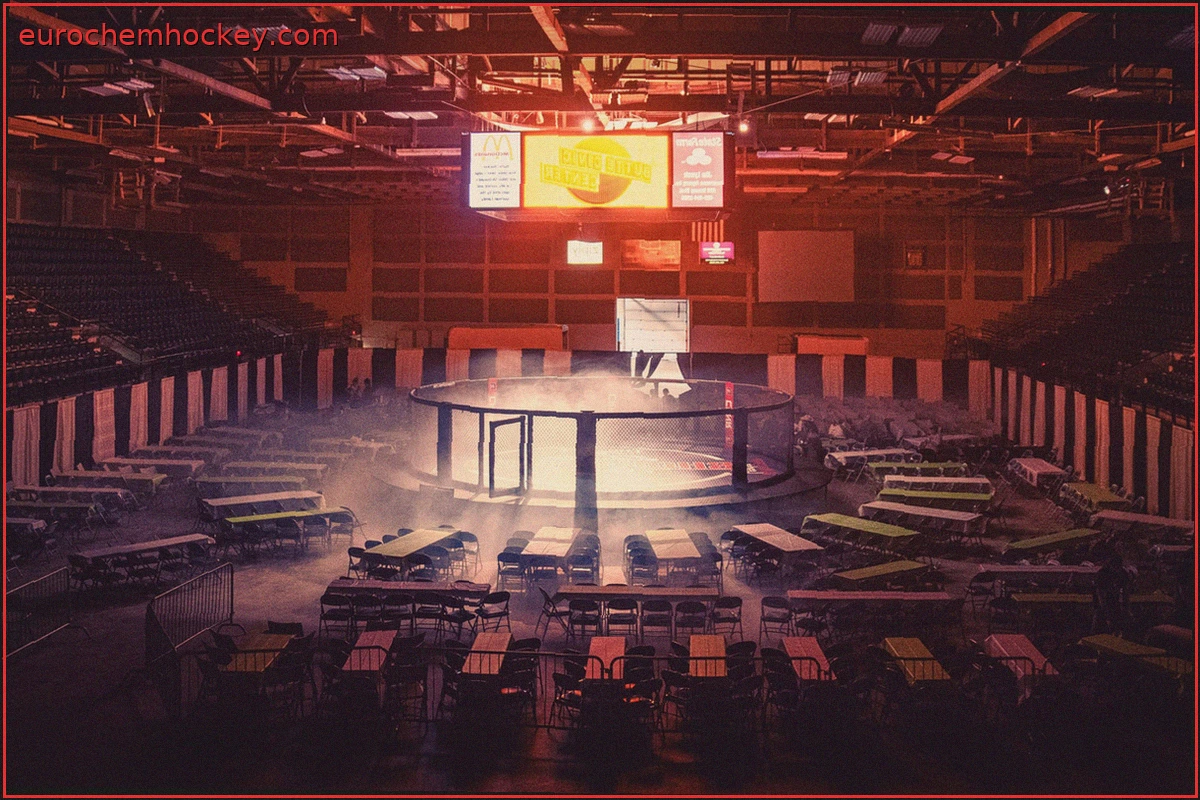
Malott's Knockout, Record Canadian Card, and End of UFC PPV in Canada: UFC 336 Significance
Mike Malott's second-round knockout of Joaquin Buckley capped a UFC Fight Night event that featured a record 12 Canadian fighters. The promotion also confirmed its next Canadian stop: UFC 336 at Toronto's Scotiabank Arena on January 30. Together, these events signal a significant surge for Can
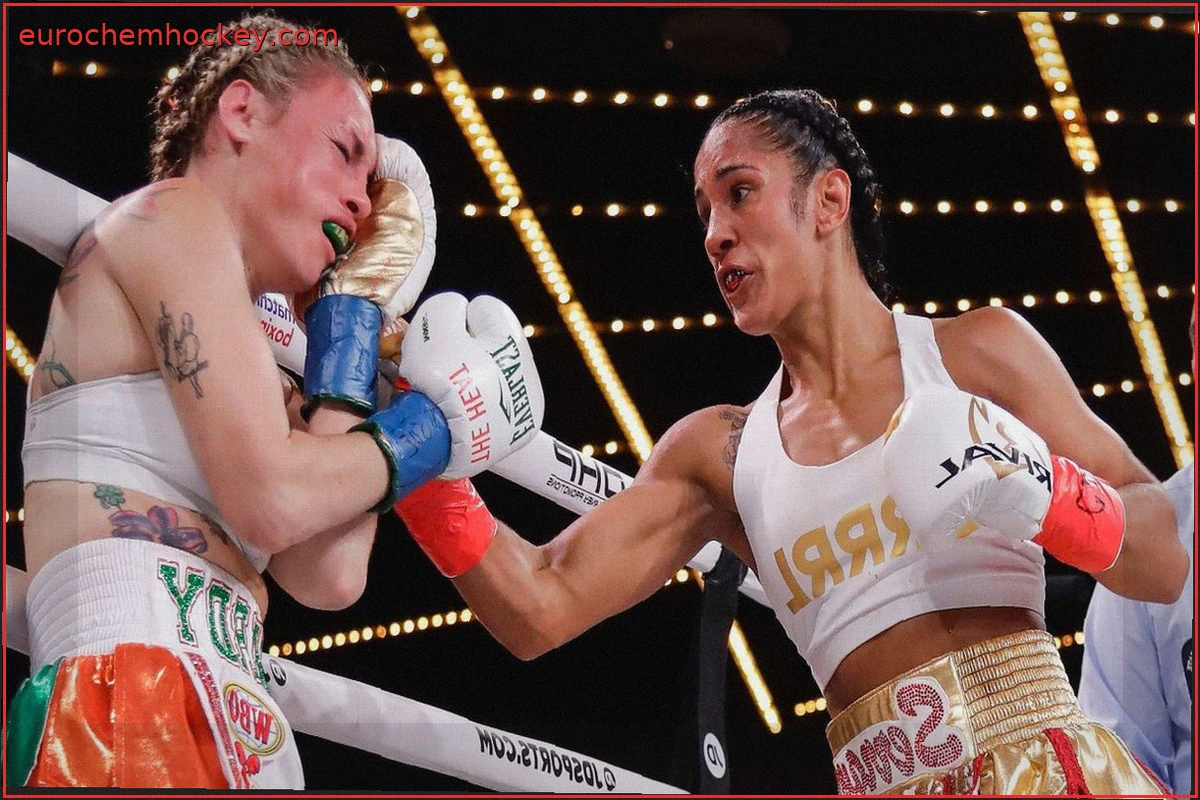
Heather Hardy Sues Jake Paul's Most Valuable Promotions for Over $10 Million Over 2023 Amanda Serrano Fight
Former boxing world champion Heather Hardy is suing Jake Paul and his company, Most Valuable Promotions (MVP), for over $10 million. Hardy claims the promotion contributed to her suffering permanent neurological injuries and ending her career during her 2023 fight against Amanda Serrano. Th
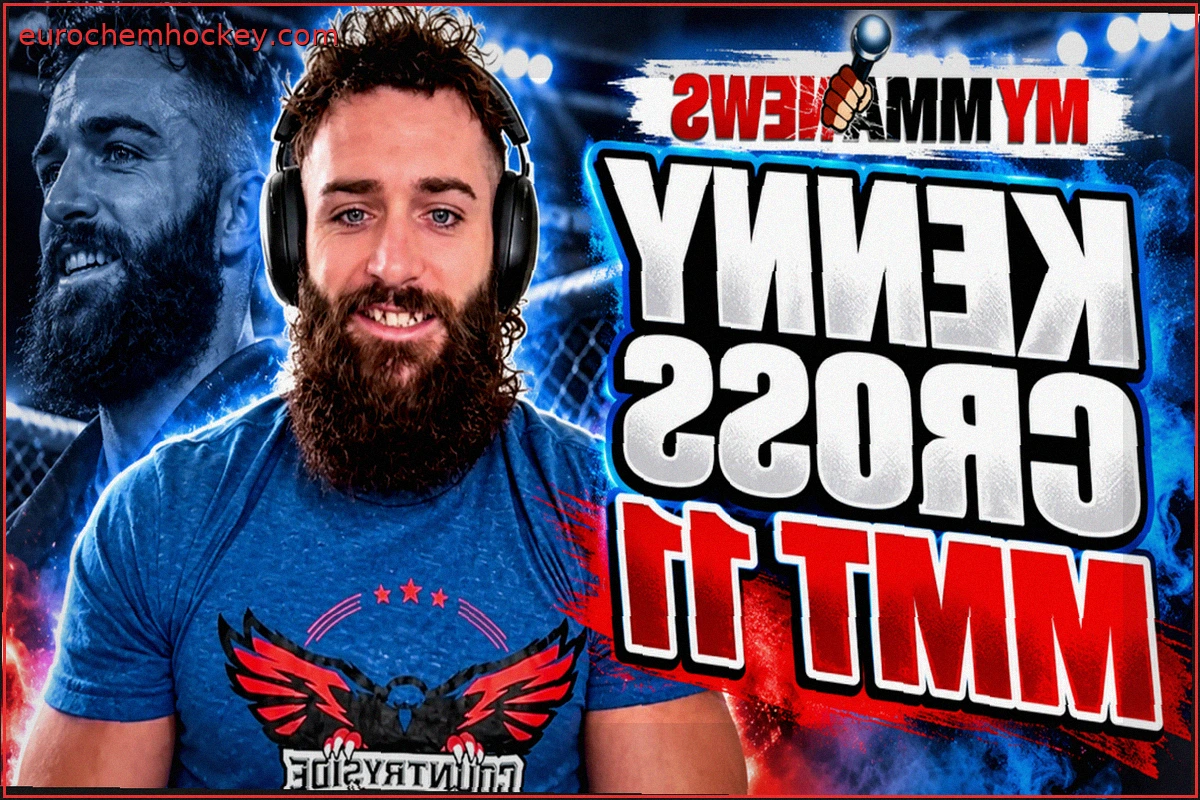
Kenny Cross Aims to Make a Statement in Muay Thai Debut on Nov. 7
Kenny Cross discusses his upcoming Muay Thai fight against James Barney at MMT 11 on November 7th. He also touches upon his previous loss to Salahdine Parnasse and the PFL-MVP merger, sharing his predictions for the fight. “He’ll either be knocked out in the first round, or we’ll see how
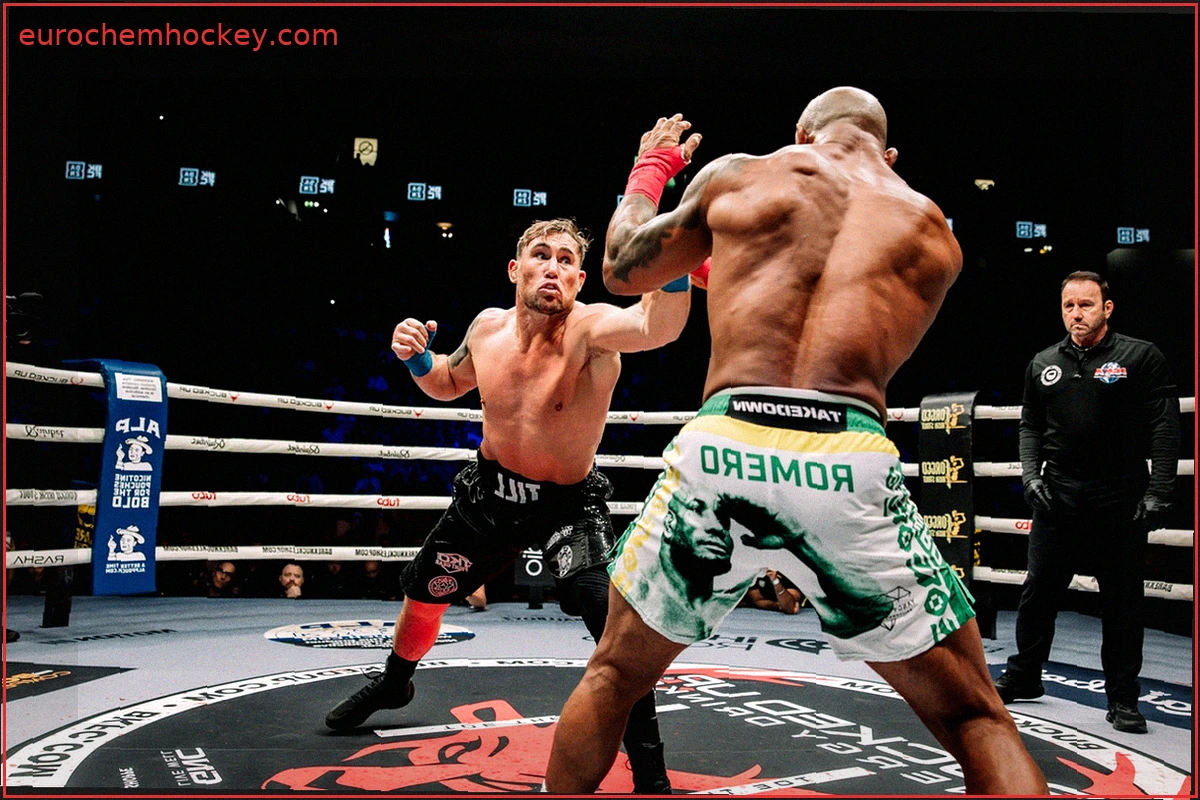
Darren Till Reigns Supreme Over Yoel Romero – Full BKFC 94 Results
Darren Till outpointed Yoel Romero in the main event of BKFC 94, held on Saturday night at the AO Arena in Manchester, UK. A sold-out crowd of 15,894 witnessed the contest. After five rounds, all three judges scored the fight 49-46 for Till, a former UFC title challenger who now holds
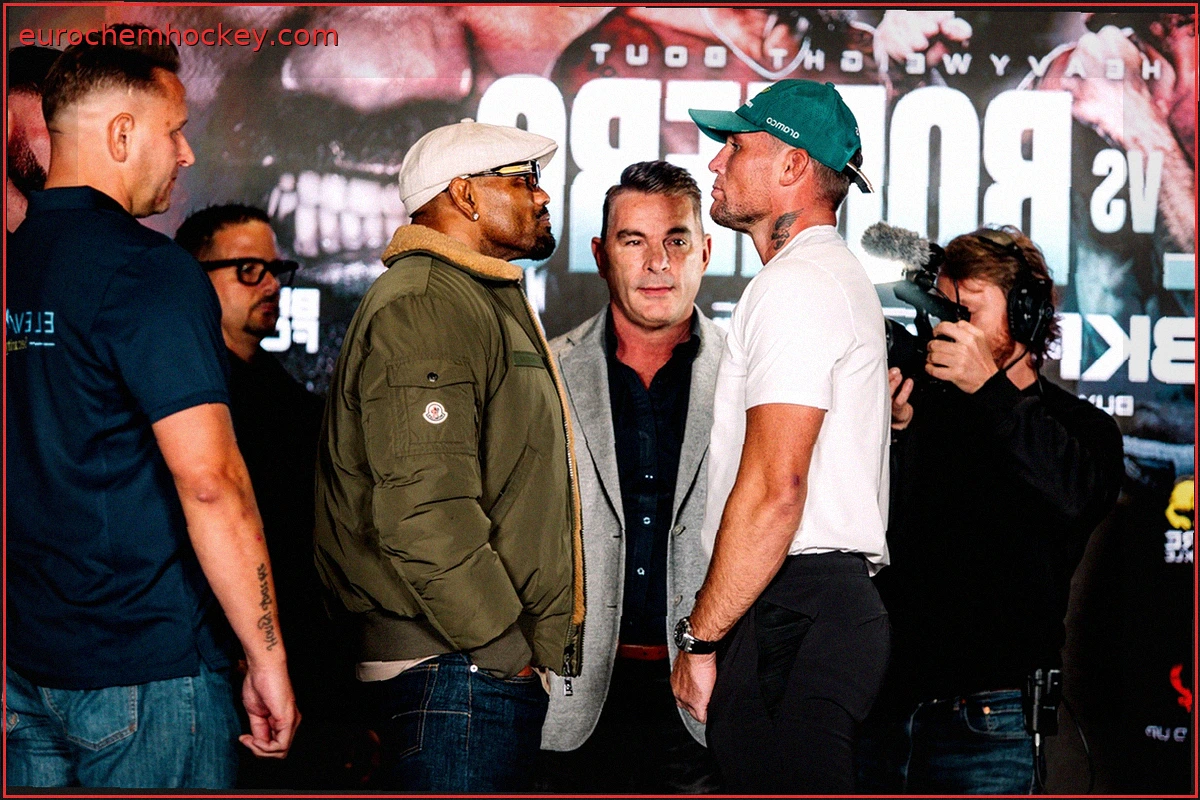
BKFC 94 Press Conference: Till vs. Romero Showdown Ahead
Bare Knuckle Fighting Championship (BKFC) convened its final press conference in Manchester, UK, on September 24, 2026. The event, BKFC 94, is scheduled for this Saturday, September 26, at the AO Arena and will be broadcast globally on DAZN. David Feldman, BKFC Founder and President, hosted th

Solomon Renfro Arrested After Allegedly Assaulting Woman in New York
New York-based mixed martial artist Solomon Renfro, 29, was arrested on Sunday. Police responded to a 911 call at 47 Madison St. in Chinatown around 5:55 a.m. They found a 22-year-old woman with scratches and bruises on her chest and arms. The victim received medical attention at the scene.