PBA Standings: Understanding Rankings, Tiebreakers, and Playoff Seeding
PBA standings reflect team performance within a specific active conference, not an overall league season. Each conference operates with its own elimination table, qualification thresholds, and playoff bracket. A strong record in one conference does not carry over to the next.
The format for each conference varies, including single round robins, group eliminations, and playoff incentives like twice-to-beat advantages. A standings page shows the current team positions, and the published format details what those positions mean for playoff advancement.
Without this context, a team's seed can imply playoff security that doesn't actually exist.
Winning Percentage Determines Initial Ranking
The fundamental columns in the standings are games played, wins, losses, and winning percentage. Winning percentage is calculated by dividing wins by the total games completed. For example, a team with a 7-3 record has a .700 winning percentage, while a 5-2 team has a .714 percentage, despite fewer wins, because they've played fewer games.
Uneven game schedules can make raw win totals misleading during a conference. Factors like games played, rest days, and the strength of opponents require separate consideration.
Interpreting Standings: A Hypothetical Example
| Team | W-L | PCT | What this row indicates |
|---|---|---|---|
| Harbor | 7-3 | .700 | Completed ten games with a strong standing. |
| Metro | 5-2 | .714 | Higher percentage, but needs to play three more games to match Harbor's total games played. |
| Central | 5-5 | .500 | Even record; playoff qualification depends on the cut-off line and tiebreaker rules. |
These standings do not account for the difficulty of each team's schedule, player availability issues, or whether recent success came against weaker opponents. Such details require consulting game logs and availability reports. Standings provide a ranking, not a complete assessment of team quality.
The Qualification Line Varies with the Format
For instance, in the Season 50 Philippine Cup, a single round robin format meant the top eight teams advanced. The top four teams received a twice-to-beat advantage in the quarterfinals against teams ranked fifth through eighth, with semifinals and finals played as best-of-seven series. This example is specific and shouldn't be applied universally to all conferences.
The 2026 Governors’ Cup, however, featured standings divided into Group A and Group B, with a guest team participating. Group formats can lead to crossover matchups rather than a single 1-to-8 playoff ladder. Before calculating playoff scenarios, understanding the current qualification rules and the remaining schedule is essential.
Ties Require Specific Tiebreaking Procedures
Identical win-loss records do not automatically result in identical playoff seeds. The PBA specifies the tiebreak procedure for each conference. For the Season 50 Philippine Cup, officials used a quotient tiebreak and eliminated a separate playoff for eighth place. Quotient calculations involve the scoring differences between tied teams. The exact rule and the games applicable to it must be verified, rather than assumed from overall point differential.
This detail impacts the odds for teams near the qualification cutoff. When comparing betting markets, it's important to confirm the specific tiebreaking rules used by the league, such as quotient, head-to-head, group play, or other playoff routes.
Playoff Brackets Begin Where Standings End
PBA team standings document performance during the elimination phase. A playoff bracket outlines the series matchups and progression after teams have qualified. Individual player statistics are tracked separately; a leading scorer does not grant their team extra points in the standings.
A twice-to-beat advantage differs from a standard best-of-three series. The protected team needs only one win to advance, while the opponent must win twice. Best-of-five and best-of-seven series involve repeated matchups, allowing for adjustments and a different competitive dynamic.
Form is Context, Not Part of the Standings
To predict the outcome of an upcoming PBA match, consider recent game logs alongside the official standings. Factors like home-court advantage, import availability, injuries, net scoring margin, and the strength of competition should be evaluated separately from the official win-loss record. Review the conference rules again: the difference between finishing fourth and fifth might be a playoff advantage, while the same position gap in a group format could determine a different first-round opponent.
Use the standings as a starting point, then examine the games that shaped them.
Fresh materials — PFL News
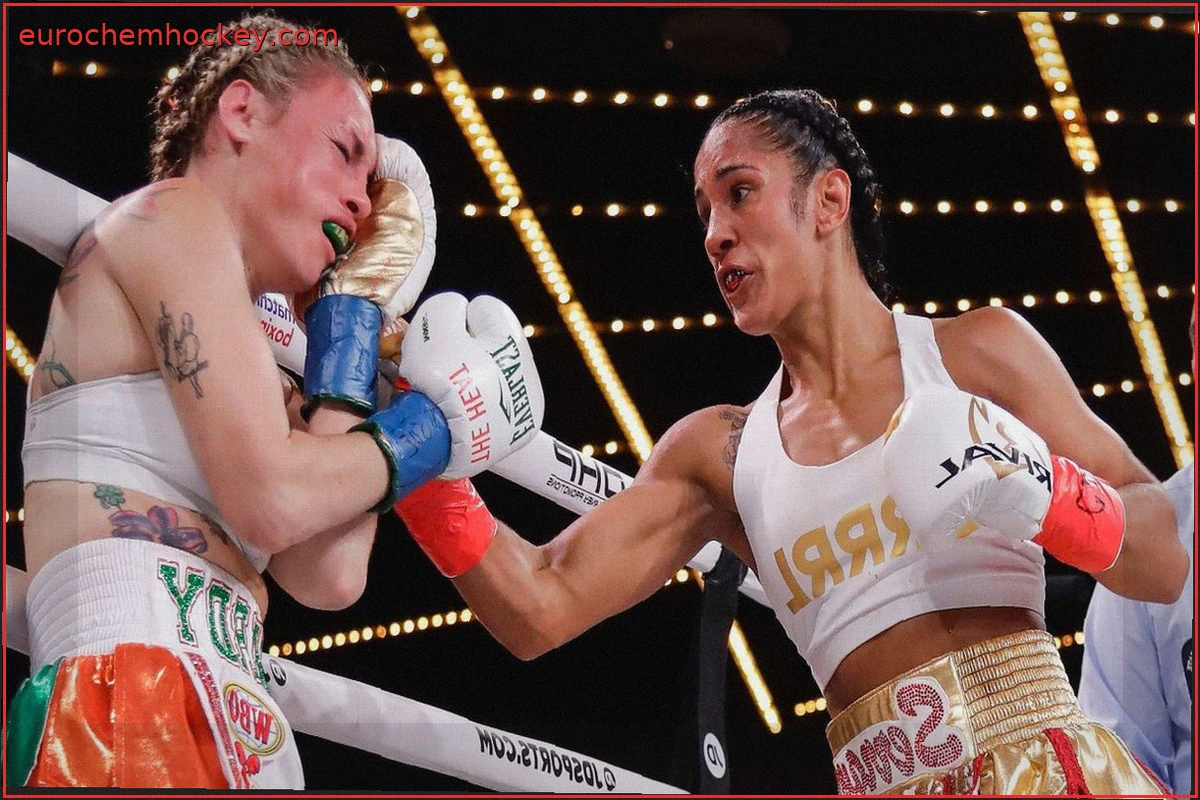
Heather Hardy Sues Jake Paul's Most Valuable Promotions for Over $10 Million Over 2023 Amanda Serrano Fight
Former boxing world champion Heather Hardy is suing Jake Paul and his company, Most Valuable Promotions (MVP), for over $10 million. Hardy claims the promotion contributed to her suffering permanent neurological injuries and ending her career during her 2023 fight against Amanda Serrano. Th

Kenny Cross Aims to Make a Statement in Muay Thai Debut on Nov. 7
Kenny Cross discusses his upcoming Muay Thai fight against James Barney at MMT 11 on November 7th. He also touches upon his previous loss to Salahdine Parnasse and the PFL-MVP merger, sharing his predictions for the fight. “He’ll either be knocked out in the first round, or we’ll see how
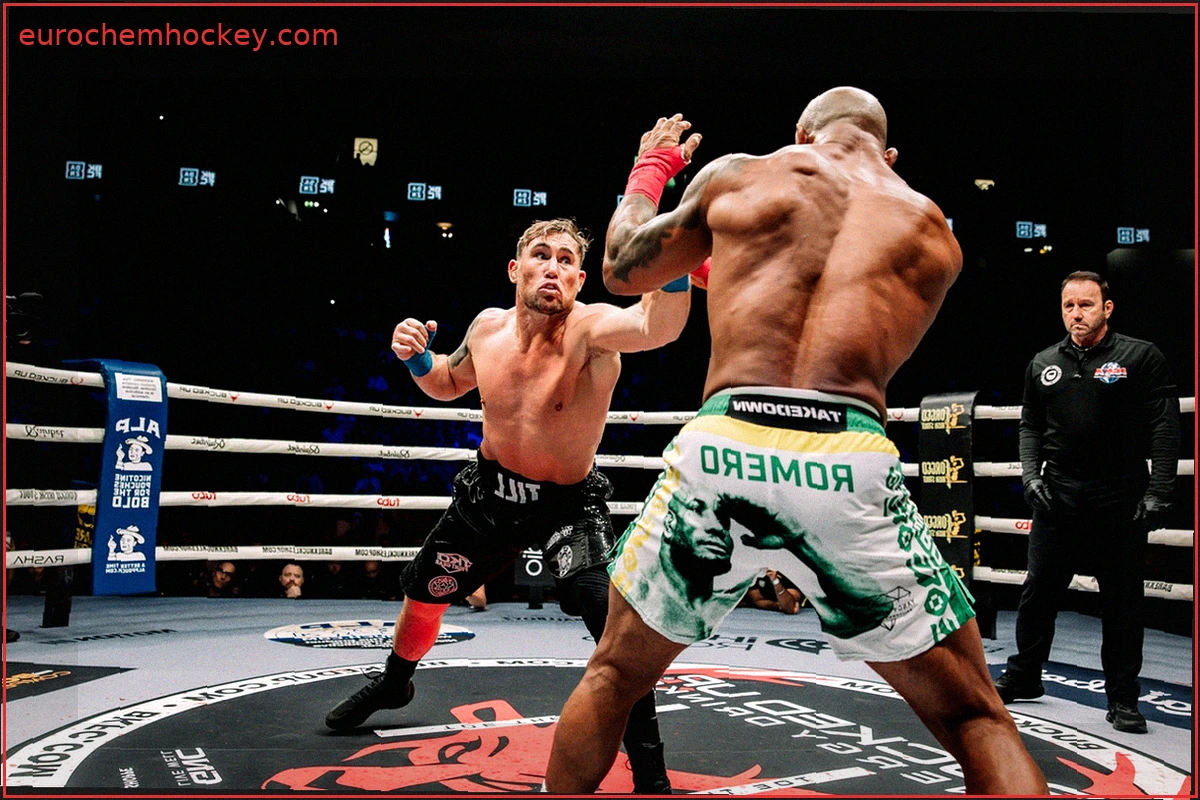
Darren Till Reigns Supreme Over Yoel Romero – Full BKFC 94 Results
Darren Till outpointed Yoel Romero in the main event of BKFC 94, held on Saturday night at the AO Arena in Manchester, UK. A sold-out crowd of 15,894 witnessed the contest. After five rounds, all three judges scored the fight 49-46 for Till, a former UFC title challenger who now holds
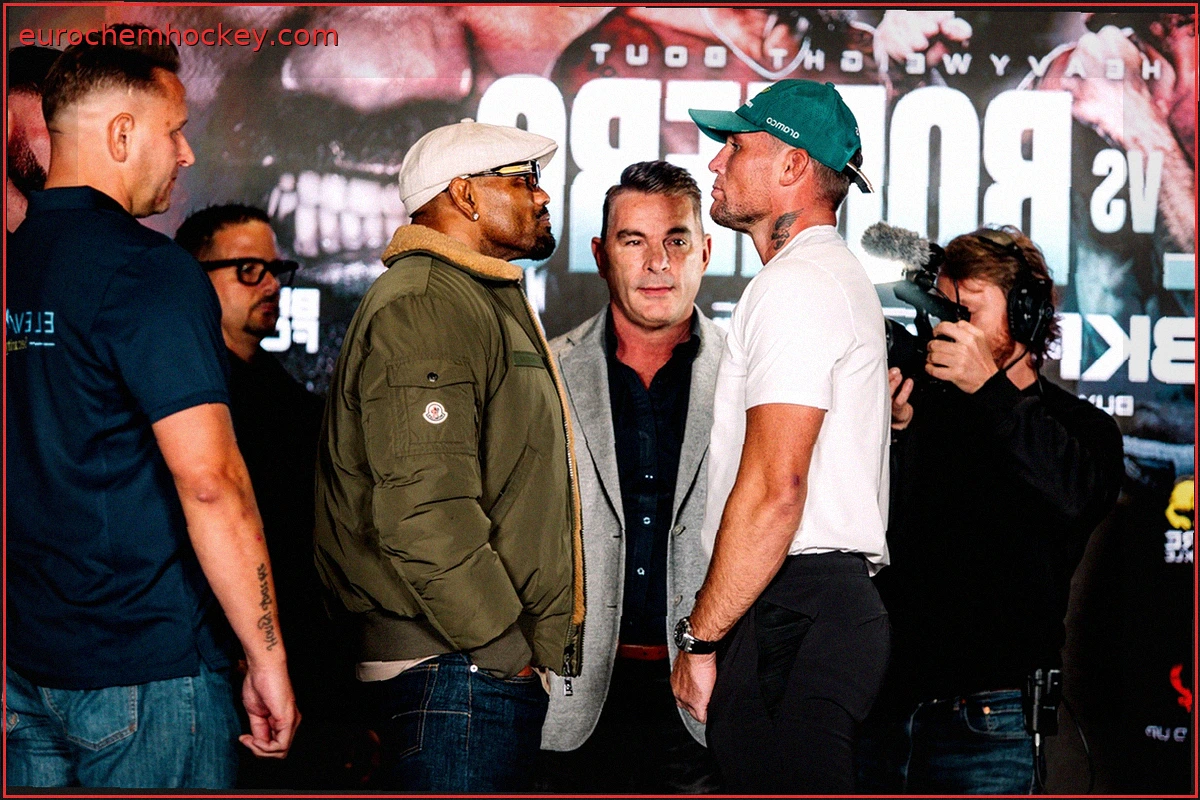
BKFC 94 Press Conference: Till vs. Romero Showdown Ahead
Bare Knuckle Fighting Championship (BKFC) convened its final press conference in Manchester, UK, on September 24, 2026. The event, BKFC 94, is scheduled for this Saturday, September 26, at the AO Arena and will be broadcast globally on DAZN. David Feldman, BKFC Founder and President, hosted th

Highlight Reels: A Simple Guide for Amateur Fighters and Coaches
Most gyms record sparring, but footage often goes unused. Video is a valuable coaching tool and a fast track for amateur fighters to gain recognition from promoters. Matchmakers won't review lengthy, unedited clips. Instead, they'll watch a single, concise highlight reel. Creating one is strai

Solomon Renfro Arrested After Allegedly Assaulting Woman in New York
New York-based mixed martial artist Solomon Renfro, 29, was arrested on Sunday. Police responded to a 911 call at 47 Madison St. in Chinatown around 5:55 a.m. They found a 22-year-old woman with scratches and bruises on her chest and arms. The victim received medical attention at the scene.