Ottawa Senators Should Consider Trading Drake Batherson
The idea of the Ottawa Senators trading Drake Batherson might be hard for fans to swallow. Batherson has been with the team since his 2017 draft and is a key player who could fill a top-line role. Losing him would significantly disrupt the team's roster.
However, Batherson is seeking an extension for the 2027-28 season, and league sources suggest a deal is not imminent between him and the Senators. While negotiations are ongoing, this early disagreement is concerning and could escalate, as seen with other star players.
The potential upside of trading Batherson is substantial. If the Senators opt to move him, they could receive a massive return, especially if a deal is made this season. Such a move could be the catalyst for the Senators to transition from a fringe playoff team to a legitimate contender, even at the cost of losing a popular player.
Does Batherson Merit the Senators' Highest Contract?
A primary reason for the contract standoff is Batherson's projected salary, which could place him among the team's highest earners. Typically, a team's top earner is its best player. In Ottawa, this distinction currently belongs to Tim Stützle ($8.35 million cap hit), followed by Linus Ullmark ($8.25 million) and Jake Sanderson ($8.05 million). These three are widely considered the Senators' top players.
Batherson is reportedly seeking an extension worth at least $10 million annually. Adrian Kempe, a comparable player, signed an eight-year, $10.625 million extension with the Los Angeles Kings after a season with 36 goals and 73 points. Alex Tuch, another similar player, secured an eight-year, $10.5 million deal with the Washington Capitals after scoring 33 goals and 66 points. Batherson's own performance last season was 33 goals and 71 points, his first 70-point season, and he is the youngest of the three at 28.
The Senators' young stars are known for having some of the most team-friendly contracts in the NHL, and Batherson could fall into this category if he continues to improve. The team can also financially accommodate a $10 million extension; they currently have approximately $4.2 million in cap space, which is projected to increase to $40.5 million next season.
The concern lies in Batherson's long-term production. Player performance typically declines after age 30, which is just two years away for him. If the Senators commit to an eight-year deal, they risk him becoming a financial burden as the rest of the team enters its prime, potentially hindering their Stanley Cup window.
Avoiding Another Contract Headache
The Senators experienced significant disruption with Brady Tkachuk's contract situation in his final year with the team. He was absent during the playoff series, a constant distraction, and reportedly had informed teammates he wouldn't re-sign, despite public assurances. This situation caused considerable drama and was a constant headache for the organization.
Given the recent relief from Tkachuk's contract drama, why would the Senators intentionally enter into another protracted and potentially acrimonious negotiation?
Contract disputes are common, but prolonged ones often end poorly. The Senators have a history of this, including Alexei Yashin's early contract issues that led to a holdout. Even Tkachuk himself had contract troubles in 2021, signing just before the season began.
The deadline to sign an eight-year extension before the new Collective Bargaining Agreement takes effect (limiting extensions to seven years and free agent deals to six) is September 15, 2026. While signing sooner is in Batherson's financial interest for the long term, if the sides remain at odds until the deadline, the situation might not improve, potentially leading to a free agency gamble.
Batherson Could Fetch a High Return
Despite potential contract disputes and the possibility of his production plateauing, the Senators still wish to retain Batherson.
"There's no secret that we want to get Drake Batherson signed," stated general manager Steve Staios. "That conversation is ongoing with Drake, and it takes two sides to come to a deal. But there’s been good dialogue as we move forward. He’s a homegrown talent. It’s a great story. He continues to get better, and we feel like we have a very great, strong, contending team with a chance to win. We want him to be a part of it."
However, if the Senators decide to move on, trading Batherson this season would be ideal. He is on pace for another 30-goal, 70-point season and is a first-line right winger with a cap hit under $5 million, making him a highly valuable asset.
The trade of Tkachuk, which brought in the ninth and 25th overall picks in 2026, a top-10 protected first-round pick in 2029, and a 2027 second-round pick, serves as a benchmark. The ninth pick was used to acquire William Eklund, who is expected to replace Tkachuk's offensive output, along with prospects Kasper Halttunen and Brandon Svoboda. The 25th pick was used for Jonas Lagerberg Hoen, another promising goal scorer.
Considering Batherson's production (11 more goals and 12 more points than Tkachuk) and his significantly lower cap hit, his trade value could be immense. Multiple first-round picks seem like a reasonable expectation, especially since he does not have a no-movement clause.
Trading Batherson should be a last resort. The Senators are a better team with him, and with a current lack of top-line wingers, trading him seems counterintuitive. However, situations can change rapidly, and if they do, exploring Batherson's market value could prove to be opportune.
Fresh materials — NHL news

NHL Rumors: Hellebuyck Trade Impact, Larkin to Canadiens?, Penguins Sell-Off
The goalie market shifted after the Winnipeg Jets traded Connor Hellebuyck to the New Jersey Devils. This move forces other teams to re-evaluate their goaltending needs. Reports suggest Dylan Larkin might consider a trade to the Montreal Canadiens, despite his initial no-trade list. Meanw
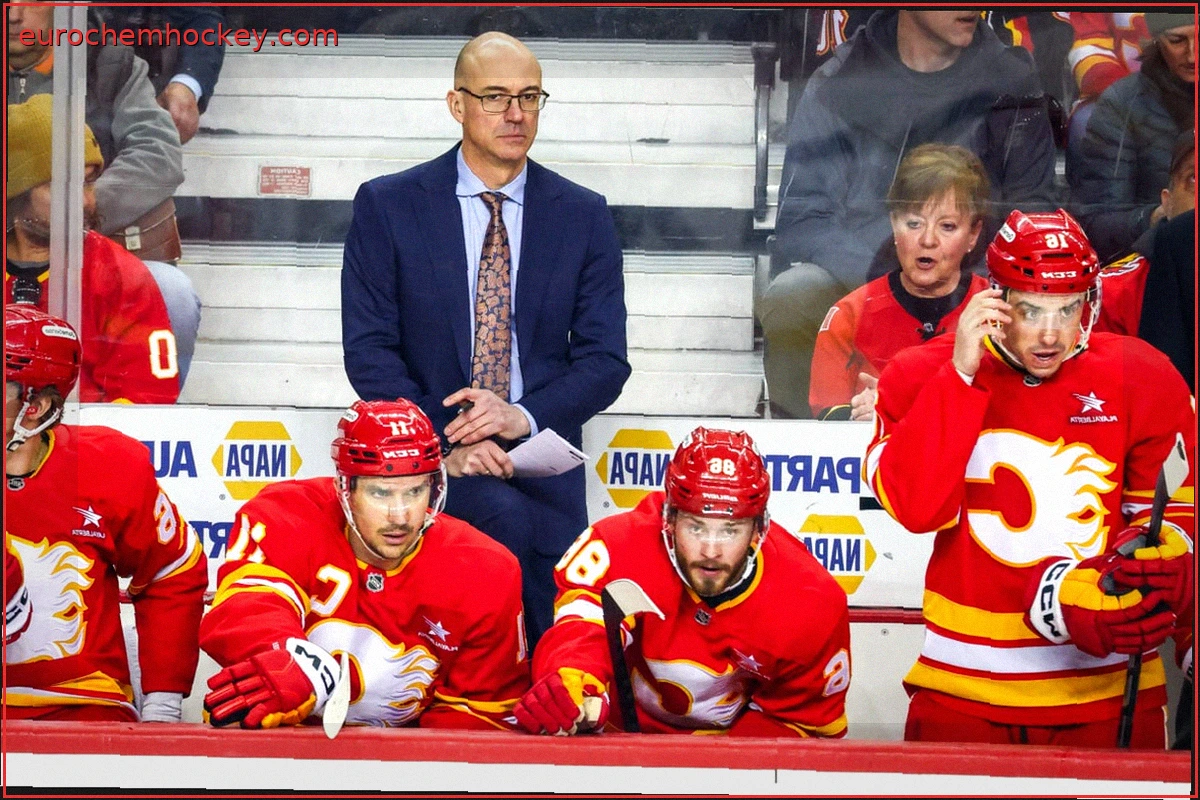
Calgary Flames: Youth Movement Requires Persistent Trust
Calgary Flames coach Ryan Huska showed reluctance in his early-season strategies, but injuries and underperformance are now pushing him to embrace the team's younger talent. His previous consistent approaches and questionable line setups raised concerns about how developing players co

Maple Leafs' Top Two Lines Show Divergent Performance Early in Season
The Toronto Maple Leafs' opening games of the 2026-27 NHL season highlight a significant performance gap between their top two forward lines. While the top unit has consistently driven play and created scoring chances, the second line has lagged, raising questions about the team's early-season
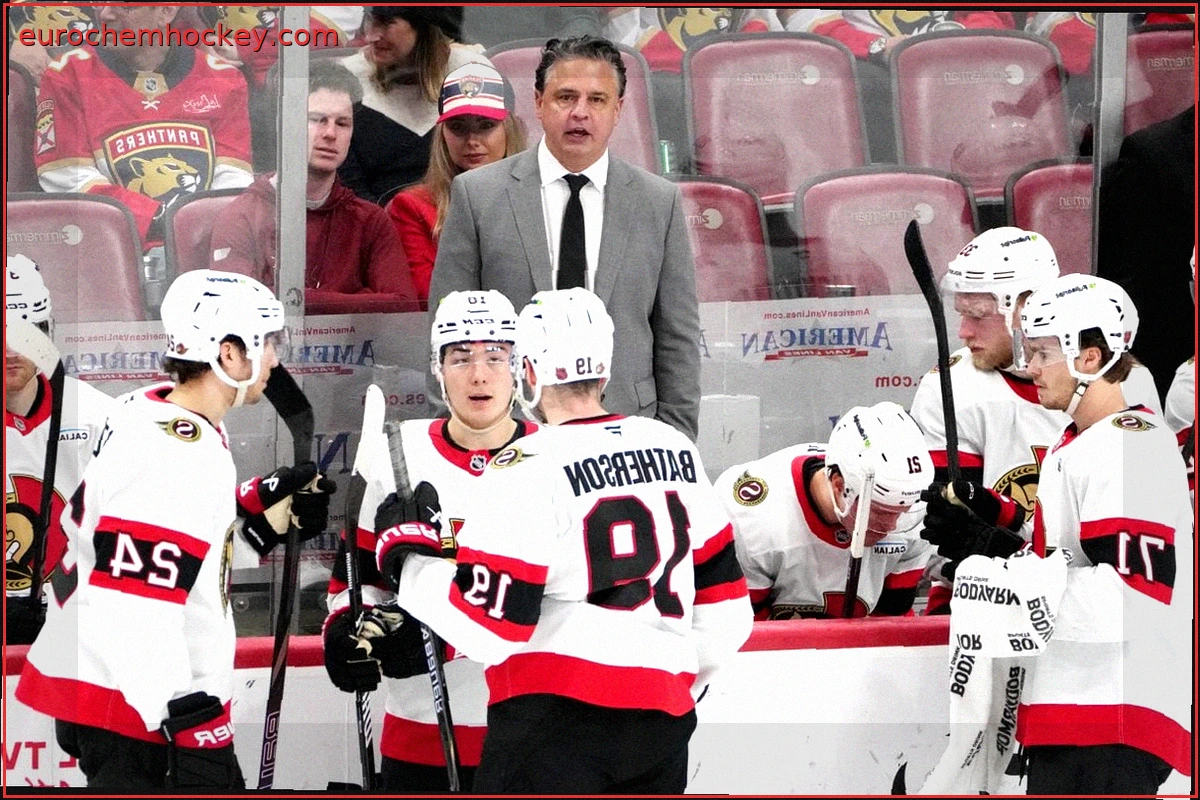
Travis Green's Injury Updates for Senators Remain Unclear; Ullmark Called "Fine"
Travis Green, the Ottawa Senators’ head coach, has consistently given vague responses regarding player injuries. While the NHL lacks strict injury disclosure rules compared to some other leagues, recent updates on Linus Ullmark and Jake Sanderson have raised more questions than answer

Rangers' Bottom-Six Forwards Start Strong
The Rangers lacked forward depth last season, often relying on a struggling Conor Sheary in their top six. General manager Chris Drury addressed this by adding numerous forwards in the offseason, creating a more balanced lineup. This season, the Rangers' bottom-six forwards have perfor
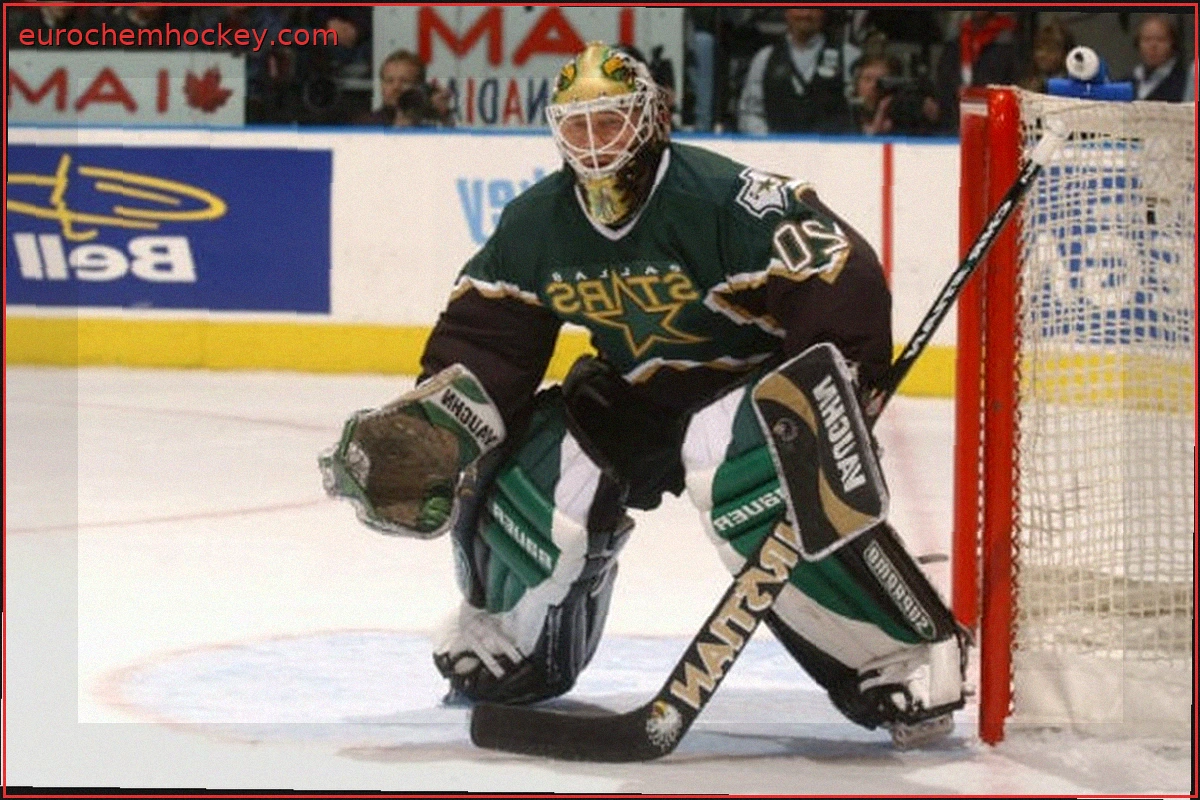
NHL's Most Unusual Superstitions Throughout History
Professional hockey players often employ peculiar superstitions to enhance their performance on the ice. Beyond rigorous training, many NHL stars have adopted strange rituals in pursuit of success. Patrick Roy's Goalpost Conversations Hall of Fame goalie Patrick Roy spoke with his goa