Understanding UFC Fight Outcomes and Betting Markets
Betting on mixed martial arts, particularly the UFC, involves unique rules and terminology that distinguish it from traditional team sports. This is largely due to the diverse ways a single contest can conclude. For general insights into how combat sports betting markets are structured, resources that compile odds and betting guides are available.
To effectively place a bet on a UFC match, it's crucial to understand how a fight can end. This includes finishes within the scheduled duration or a victory determined by judges' scorecards after all rounds are completed. Questions about how a fighter wins by points in the UFC and the overall decision-making process in a fight directly relate to the judges' scoring system and the various victory methods tracked in UFC wagering.
How Is a UFC Fight Decided?
A UFC fight can conclude in several ways, and each method significantly impacts betting markets focused on the method of victory. A fight is considered finished when one competitor can no longer continue, whether due to a knockout (KO), a technical knockout (TKO) stoppage by the referee, or a submission (tap-out). If neither fighter is finished by the end of the scheduled rounds, the outcome is decided by the scorecards of three ringside judges.
Judges score each round independently using the ten-point must system, a method adopted from boxing. In this system, the winner of a round typically receives ten points, while the loser receives nine or fewer, depending on the round's dominance. A near-dominant round, marked by significant damage or control, might result in a 10-8 score, whereas a closely contested round is scored 10-9 for the fighter deemed more effective during that five-minute period.
Common Ways a UFC Fight Can End
- Knockout (KO): A fighter is rendered unable to continue after a direct strike.
- Technical Knockout (TKO): The referee stops the fight because one fighter cannot intelligently defend themselves.
- Submission: A fighter taps out or verbally concedes due to a hold or strike sequence.
- Decision: Judges' scorecards determine the winner after all scheduled rounds are completed.
- Draw: Judges' scorecards are tied or split, resulting in no official winner.
What Judges Look for When Scoring a Round
Judges evaluate several criteria when scoring a round, with effective striking and effective grappling generally being the primary considerations. Effective striking refers to significant, clean strikes that visibly impact an opponent. Effective grappling involves successful takedowns, maintaining dominant positions, and advancing towards a finishing sequence, such as a submission attempt.
Octagon control is another factor judges consider, assessing which fighter dictates the pace and location of the fight, whether standing or on the ground. Aggression and defense are used as tiebreakers if the first two categories appear relatively even between the fighters for a given round.
Because scoring can vary slightly among judges based on how they weigh each criterion, split decisions are common in the sport. A split decision occurs when two judges favor one fighter, and the third favors their opponent. In contrast, a unanimous decision happens when all three judges agree on the same winner for the entire fight.
How Do You Win by Points in the UFC?
Winning by points in the UFC means securing a victory based on the judges' scorecards rather than finishing the opponent before the scheduled time concludes. A fighter can win by points through a unanimous decision, a split decision, or a majority decision, each reflecting a different level of agreement among the judges.
A unanimous decision is awarded when all three judges score the fight in favor of the same fighter. A split decision occurs when two judges score for one fighter, and the third judge scores for the opponent. A majority decision happens when two judges favor the same fighter, and the third judge scores the fight as a draw.
Winning by points often becomes the deciding factor in bouts between evenly matched, durable fighters who avoid finishes, or in fights where a dominant grappler controls their opponent on the ground for extended periods without securing a submission. A fighter with strong takedown ability and effective ground control frequently wins rounds on the judges' scorecards, even without landing significant strikes, as effective grappling carries substantial weight in round scoring.
Types of Decision Outcomes
- Unanimous Decision: All three judges score for the same fighter.
- Split Decision: Two judges favor one fighter, and one favors the other.
- Majority Decision: Two judges favor one fighter, and one scores a draw.
- Majority Draw: Two judges score a draw, and one favors a fighter.
- Split Draw: Judges' scores are split across a win, a loss, and a draw.
How Method of Victory Shapes a UFC Sportsbet
UFC betting often includes a method-of-victory market alongside the standard moneyline. This allows wagers to be placed on how a fight will conclude, rather than just predicting the winner. Common method-of-victory options include wins by knockout/technical knockout, submission, and decision, each with varying odds based on the fighters' styles and tendencies.
A fighter known for powerful striking and a history of finishes will typically have shorter odds for a knockout-specific outcome. Conversely, a fighter with a strong grappling background might have shorter odds for a submission victory. A UFC bet focusing on the method of victory requires close examination of each fighter's historical finishing rate, as a fighter who rarely finishes opponents naturally increases the probability of a decision outcome, regardless of who ultimately wins the fight.
Round betting markets add another dimension to UFC wagers, allowing bets on which specific round a fight will end if it concludes before the scheduled distance. These markets combine analysis of the method of victory with fighter pacing, as some fighters consistently finish opponents early, while others tend to wear down their opponents over several rounds before securing a finish.
Common UFC Sportsbet Market Types
| Market | Description |
|---|---|
| Moneyline | Wager on which fighter wins the bout. |
| Method of Victory | Wager on how the fight will end. |
| Round Betting | Wager on which round the fight will end. |
| Over/Under Rounds | Wager on whether the fight goes over or under a set number of rounds. |
| Fight to Go the Distance | Wager on whether the bout reaches a decision. |
Why Understanding Scoring Matters for UFC Wagering
Because judges' scoring can vary based on differing interpretations of close rounds, decisions in the UFC occasionally lead to disagreement, particularly in fights where effective striking and grappling appear closely matched. This variability is a key reason why method-of-victory and round-betting markets necessitate careful consideration of each fighter's tendencies, rather than relying solely on overall win probabilities.
A fighter capable of controlling a bout through grappling without necessarily finishing an opponent presents a different risk profile for a UFC bet compared to a fighter known for aggressively seeking finishes in every round. Recognizing these tendencies, along with a fundamental understanding of the ten-point must system, provides valuable context for interpreting odds across method-of-victory and decision-related markets.
Summary
A UFC fight can conclude either through a finish (knockout, technical knockout, or submission) or by a judges' decision after all scheduled rounds are completed, scored under the ten-point must system. Winning by points in the UFC occurs via a unanimous, split, or majority decision, depending on the degree of agreement among the three judges. UFC betting often includes method-of-victory and round-betting markets alongside the standard moneyline, requiring an understanding of both scoring criteria and individual fighter tendencies to interpret how these markets are priced.
Fresh materials — PFL News
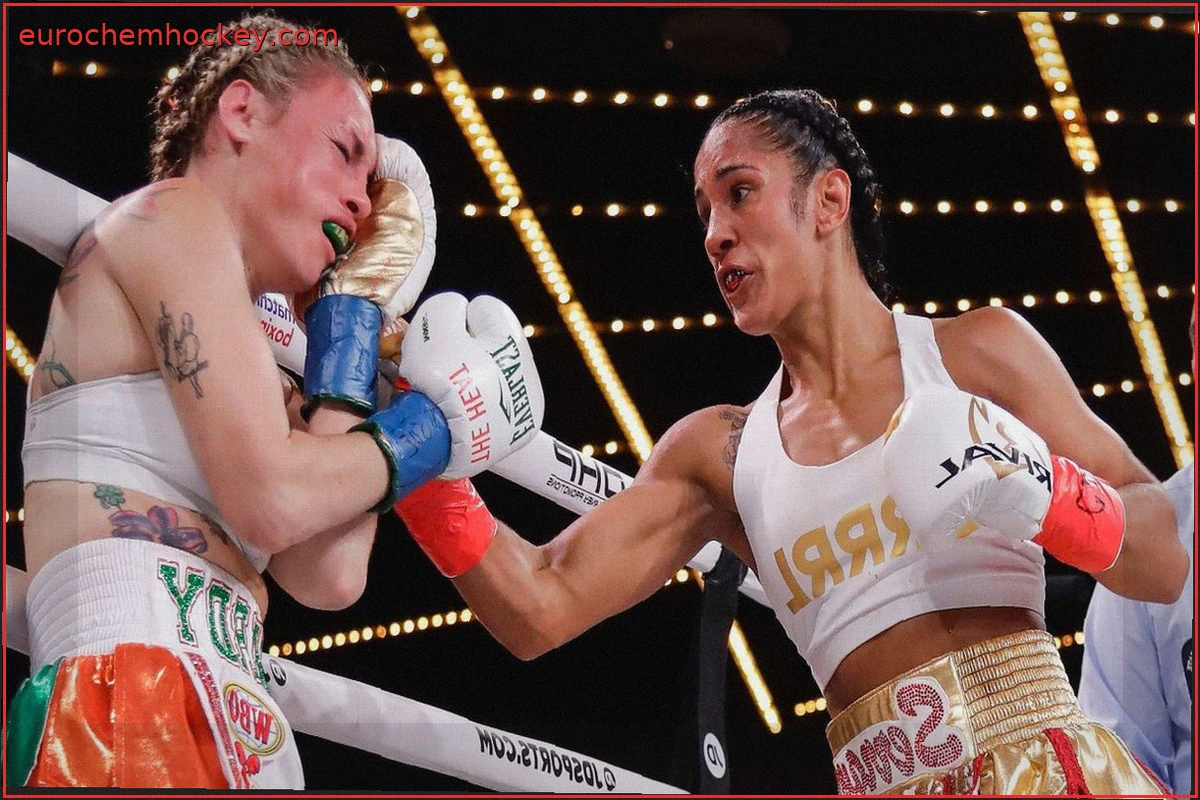
Heather Hardy Sues Jake Paul's Most Valuable Promotions for Over $10 Million Over 2023 Amanda Serrano Fight
Former boxing world champion Heather Hardy is suing Jake Paul and his company, Most Valuable Promotions (MVP), for over $10 million. Hardy claims the promotion contributed to her suffering permanent neurological injuries and ending her career during her 2023 fight against Amanda Serrano. Th
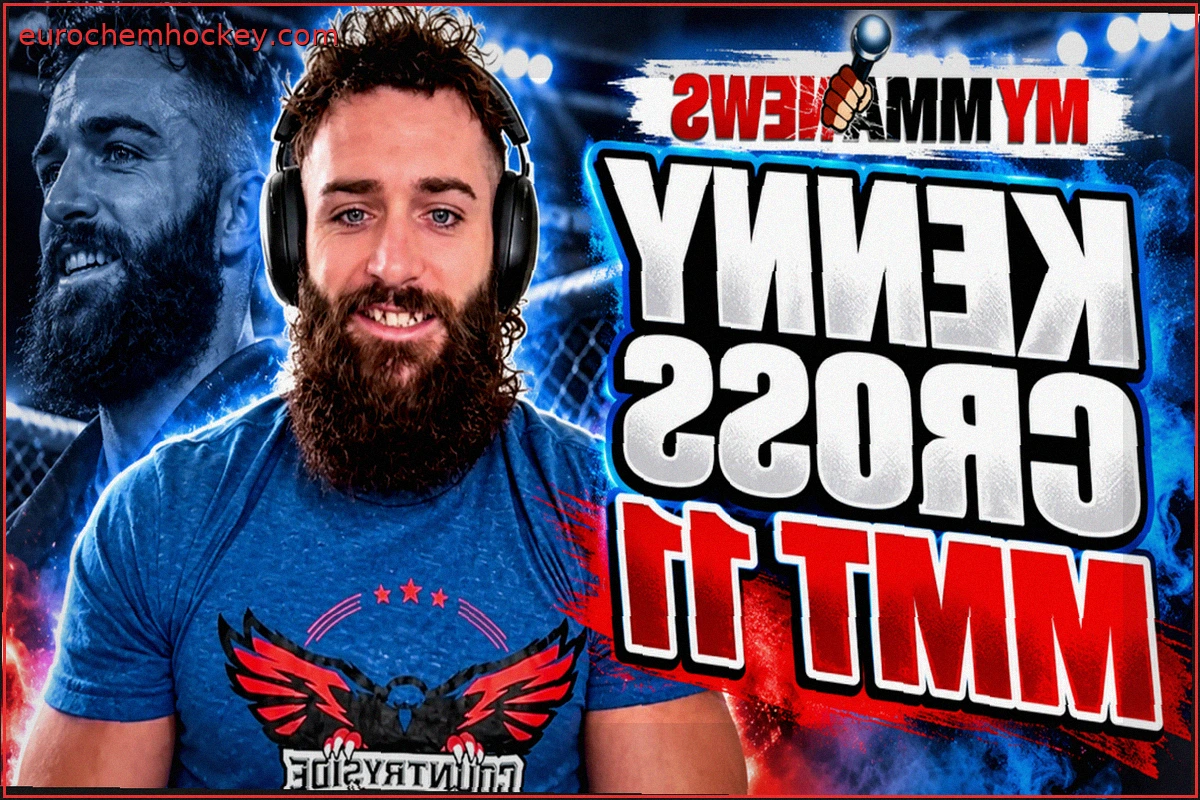
Kenny Cross Aims to Make a Statement in Muay Thai Debut on Nov. 7
Kenny Cross discusses his upcoming Muay Thai fight against James Barney at MMT 11 on November 7th. He also touches upon his previous loss to Salahdine Parnasse and the PFL-MVP merger, sharing his predictions for the fight. “He’ll either be knocked out in the first round, or we’ll see how
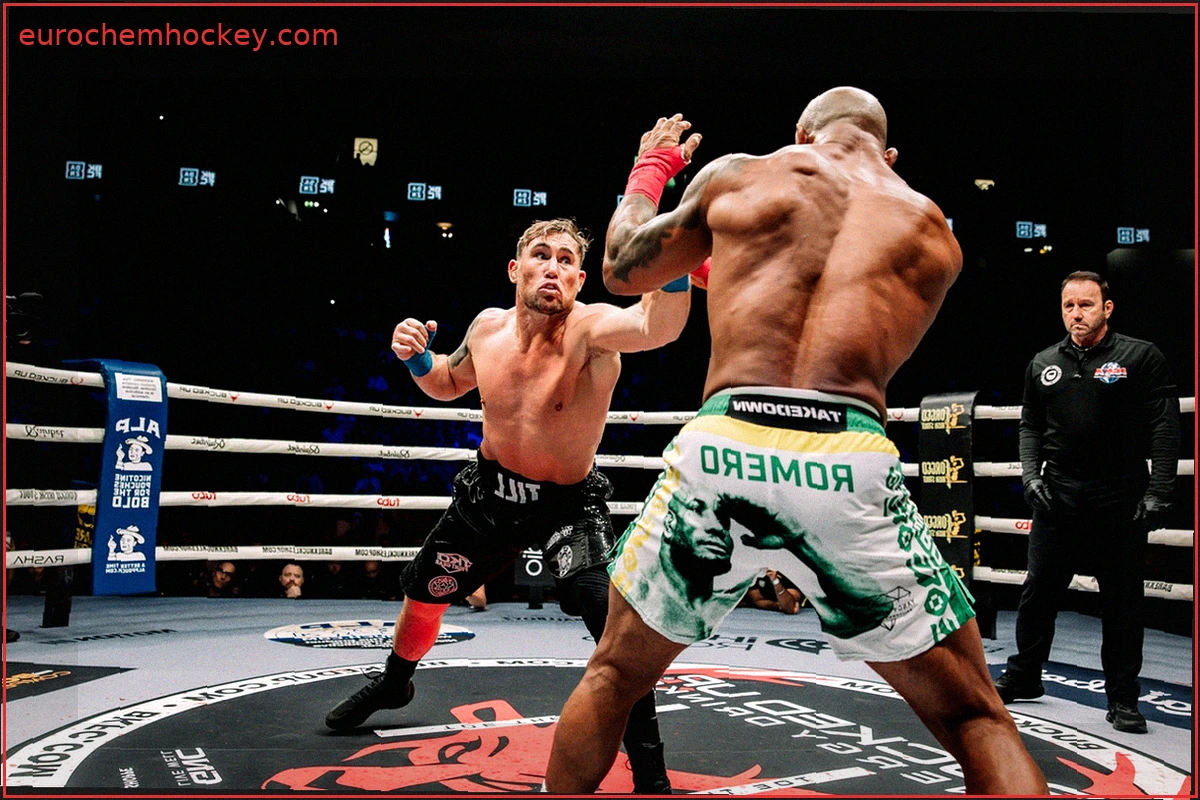
Darren Till Reigns Supreme Over Yoel Romero – Full BKFC 94 Results
Darren Till outpointed Yoel Romero in the main event of BKFC 94, held on Saturday night at the AO Arena in Manchester, UK. A sold-out crowd of 15,894 witnessed the contest. After five rounds, all three judges scored the fight 49-46 for Till, a former UFC title challenger who now holds
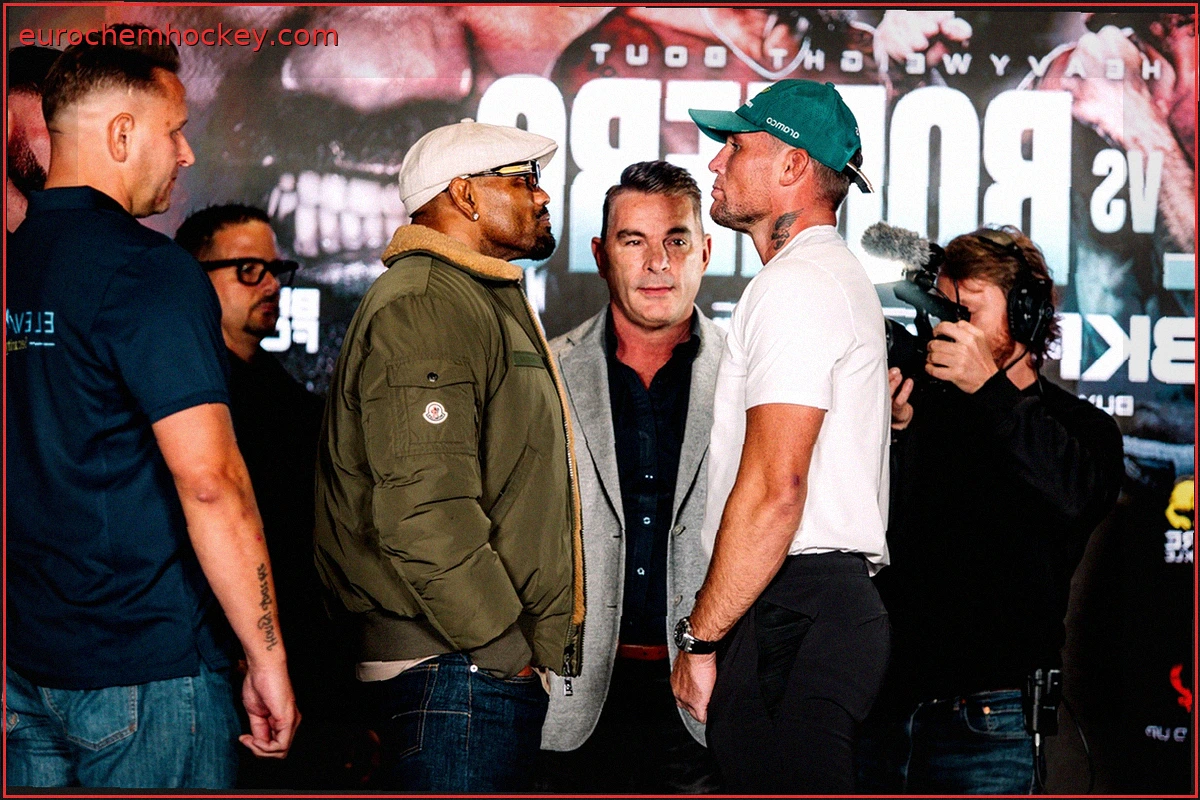
BKFC 94 Press Conference: Till vs. Romero Showdown Ahead
Bare Knuckle Fighting Championship (BKFC) convened its final press conference in Manchester, UK, on September 24, 2026. The event, BKFC 94, is scheduled for this Saturday, September 26, at the AO Arena and will be broadcast globally on DAZN. David Feldman, BKFC Founder and President, hosted th
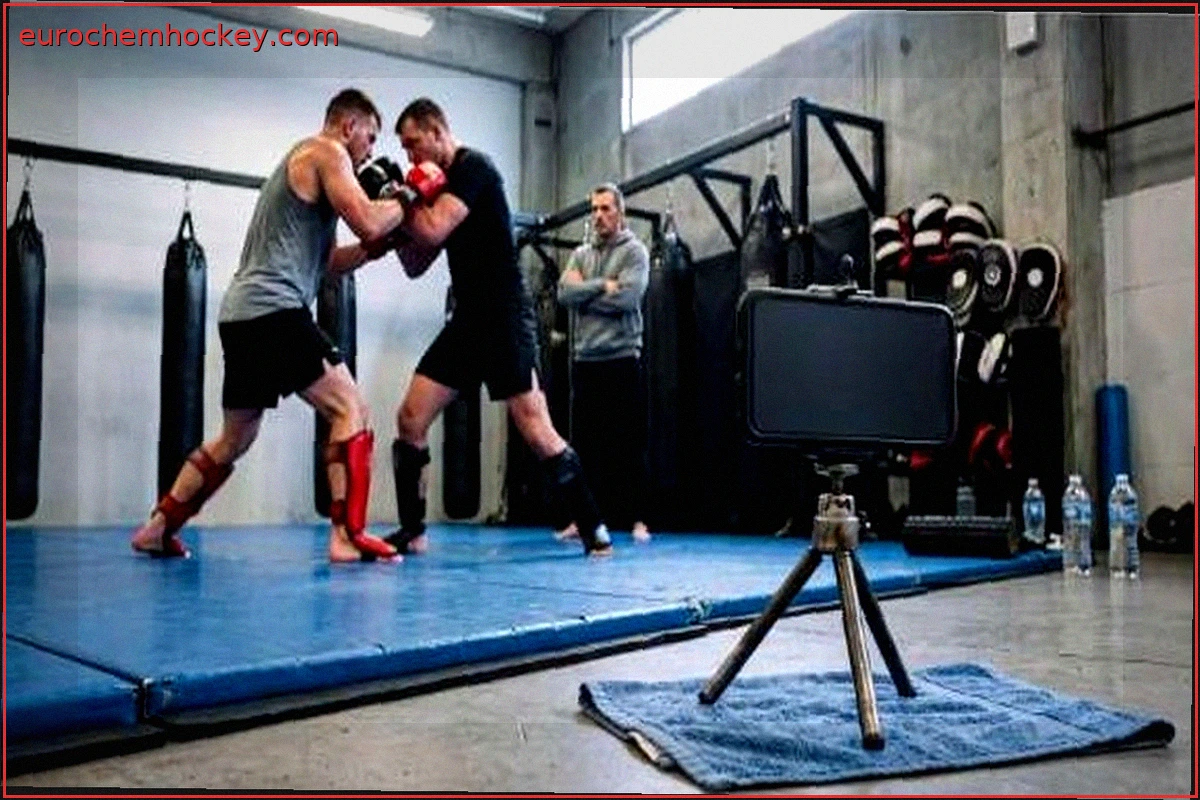
Highlight Reels: A Simple Guide for Amateur Fighters and Coaches
Most gyms record sparring, but footage often goes unused. Video is a valuable coaching tool and a fast track for amateur fighters to gain recognition from promoters. Matchmakers won't review lengthy, unedited clips. Instead, they'll watch a single, concise highlight reel. Creating one is strai

Solomon Renfro Arrested After Allegedly Assaulting Woman in New York
New York-based mixed martial artist Solomon Renfro, 29, was arrested on Sunday. Police responded to a 911 call at 47 Madison St. in Chinatown around 5:55 a.m. They found a 22-year-old woman with scratches and bruises on her chest and arms. The victim received medical attention at the scene.