Who Really Dominates U.S. Sport? The Most Successful Sporting States in America, Ranked
Sports are a cornerstone of American identity, from local high school games to international competitions. But beyond individual teams and athletes, the question of which states are truly the most dominant in terms of athletic success remains. This analysis aims to answer that by looking at a comprehensive picture.
The ranking combines championships across the NFL, NBA, MLB, NHL, and MLS with over a century of Summer Olympic success. This provides a map of sporting dominance across all 50 states, highlighting expected powerhouses, surprising inefficiencies, and standout overachievers.
A scoring system was employed where each professional title is worth 10 points, and Olympic medals are weighted (gold 5, silver 3, bronze 1) to create an overall score. A per capita measure then reveals which states achieve more relative to their population. The full methodology is detailed below.
Key Findings:
- California leads significantly with a total score of 3,823, more than 75% higher than second-place New York.
- Texas underperforms relative to its size, ranking outside the top 20 per capita despite its strong sporting reputation.
- Hawaii is the most efficient sporting state, achieving the highest output per person through Olympic medal success, despite having no professional titles and a small population.
- Massachusetts is the most successful major state per capita, consistently achieving high levels of sporting success across professional leagues and the Olympics.
- New York outperforms California on a per capita basis, indicating a more concentrated and efficient sports infrastructure.
- New Mexico ranks last for sporting success per capita, showing minimal impact at both professional and Olympic levels despite its population.
- Florida ranks ninth overall, a relatively low position for the fourth-largest state in the country.
The Top 5 States:
1. California – 3,823 points
California holds a commanding lead with 64 professional titles across all major sports and significant Olympic success, with athletes born in the state winning 480 gold and 974 Olympic medals overall.
2. New York – 2,174 points
New York ranks second with 59 professional titles, including a national-leading 27 baseball championships. It also has 444 Olympic medals. On a per capita basis, New York outperforms California.
3. Illinois – 1,277 points
Illinois boasts 39 professional titles and 269 Olympic medals, with Chicago being a major driver of its success. The state is also an efficient producer of sporting success relative to its population.
4. Pennsylvania – 1,176 points
Pennsylvania has achieved sustained success over decades, with 32 professional titles, led by football and baseball. Its 268 Olympic medals reinforce its status as a top-tier sports state.
5. Massachusetts – 951 points
Massachusetts stands out as the most efficient major sports state, with 39 professional titles and the highest per capita score among major states, demonstrating exceptional output for its population.
The Bottom 5 States:
50. Alaska – 12 points
Alaska ranks last due to its limited professional sports presence, geographic isolation, and small population. Its sporting impact is almost entirely derived from four Summer Olympic medals.
49. Wyoming – 19 points
As the least populous state, Wyoming has never had a major professional franchise and has produced only five Olympic medalists. While its per capita score is respectable, its overall output is low.
48. Idaho – 36 points
Idaho's small population and lack of major cities have limited its ability to develop elite athletes or sustain professional franchises. The state has won 10 Olympic medals and no professional titles.
47. Vermont – 23 points
Vermont's contribution consists of seven Olympic medals, with no professional titles. Its small population keeps its overall output low, despite modest per capita performance.
46. New Mexico – 29 points
Despite a population exceeding two million, New Mexico has only nine Olympic medals and no professional titles. Its per capita score is the lowest in the country, making it the most underperforming state relative to its size.
States That Stand Out:
Hawaii's Impressive Per-Capita Performance: Hawaii ranks 23rd overall with no professional titles but achieves the highest per capita score in the country due to its Olympic medal success from a small population.
Texas's Underwhelming Efficiency: Despite being the second-most populous state, Texas has a per capita score that highlights inefficiency, with its overall ranking heavily reliant on Olympic success rather than professional championships.
Florida's Population Paradox: As the fourth-largest state, Florida's ninth-place overall ranking and a low per capita score suggest it is underperforming relative to its size.
Ohio's Quiet Consistency: Ohio consistently ranks in the top six, performing well across multiple sports without necessarily dominating any single category.
Maryland's Surprising Haul: Maryland ranks 11th overall, with a significant number of Olympic medals and the most professional soccer titles in the country.
Methodology:
This index ranks all 50 U.S. states based on their overall sports success, combining domestic professional dominance with international Olympic achievement into a single, comparable score. The ranking is driven by total success, with professional team championships across the NFL, NBA, MLB, NHL, and MLS/NWSL each awarded 10 points. Summer Olympic medals are weighted: gold (5 points), silver (3 points), and bronze (1 point), attributed to the athlete's state of birth from 1896 to 2024. These scores are combined for an overall sports score. A secondary per capita measure divides the total score by population (per million residents) to highlight states that produce the most success relative to their size.
Data Sources and Structure:
The dataset combines professional championships from football (NFL, AFL, AAFC, USFL, Arena League, CFL), basketball (NBA, ABA, NBL, WNBA), baseball (MLB and historical major leagues), hockey (NHL and historical major leagues), and soccer (MLS, NWSL, WPS, WUSA). Olympic medals (Summer Games, 1896–2024) are attributed by athlete birthplace.
Fresh materials — PFL News
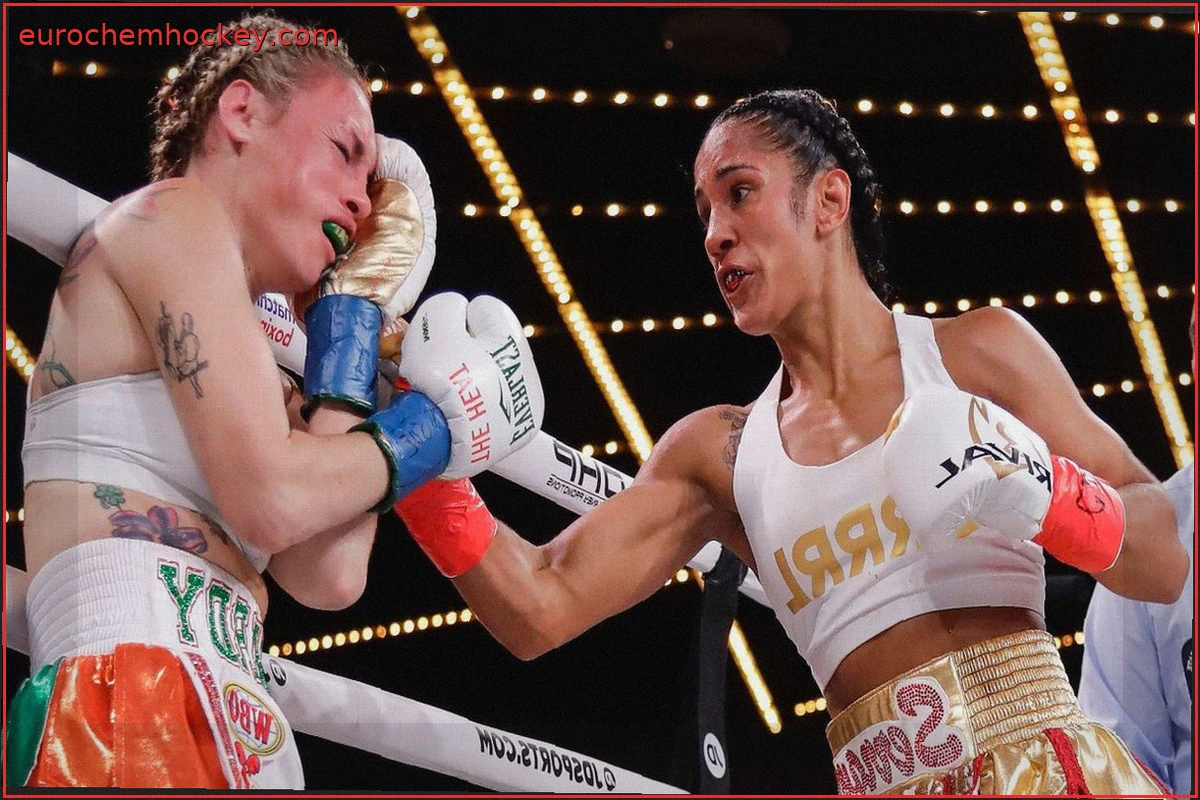
Heather Hardy Sues Jake Paul's Most Valuable Promotions for Over $10 Million Over 2023 Amanda Serrano Fight
Former boxing world champion Heather Hardy is suing Jake Paul and his company, Most Valuable Promotions (MVP), for over $10 million. Hardy claims the promotion contributed to her suffering permanent neurological injuries and ending her career during her 2023 fight against Amanda Serrano. Th
Kenny Cross Aims to Make a Statement in Muay Thai Debut on Nov. 7
Kenny Cross discusses his upcoming Muay Thai fight against James Barney at MMT 11 on November 7th. He also touches upon his previous loss to Salahdine Parnasse and the PFL-MVP merger, sharing his predictions for the fight. “He’ll either be knocked out in the first round, or we’ll see how
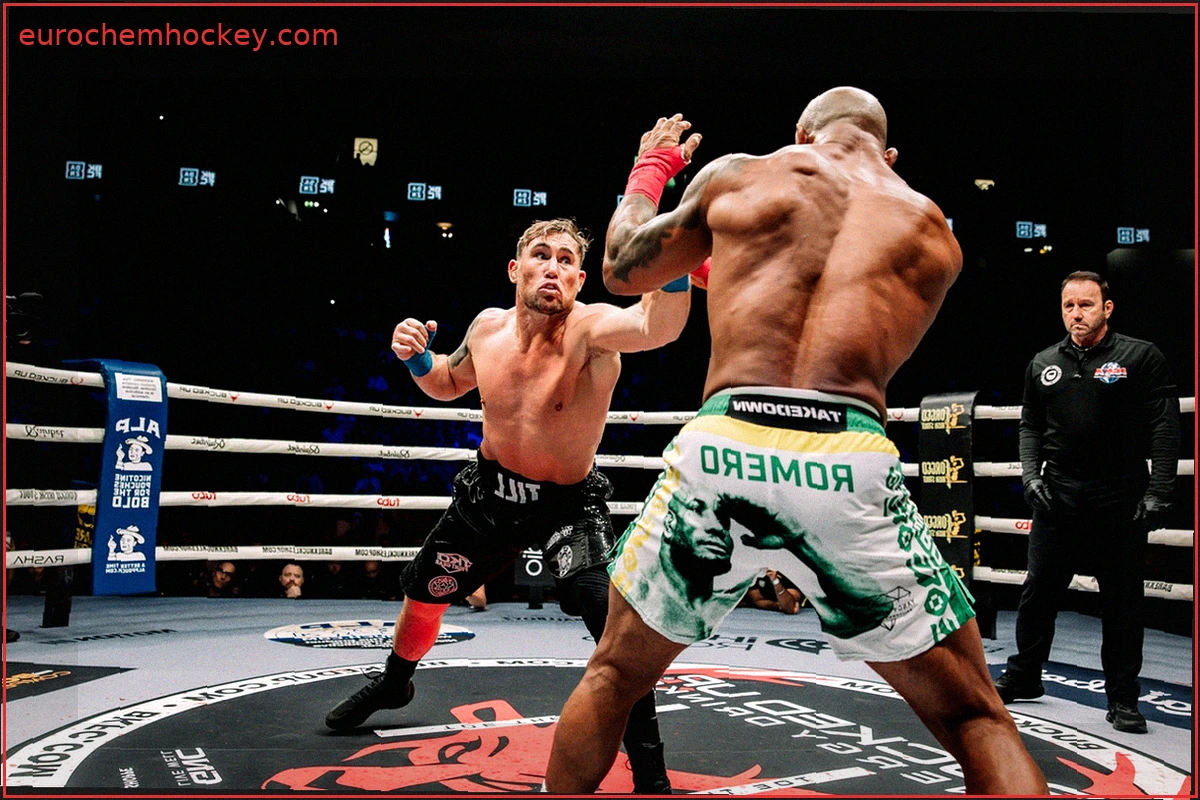
Darren Till Reigns Supreme Over Yoel Romero – Full BKFC 94 Results
Darren Till outpointed Yoel Romero in the main event of BKFC 94, held on Saturday night at the AO Arena in Manchester, UK. A sold-out crowd of 15,894 witnessed the contest. After five rounds, all three judges scored the fight 49-46 for Till, a former UFC title challenger who now holds
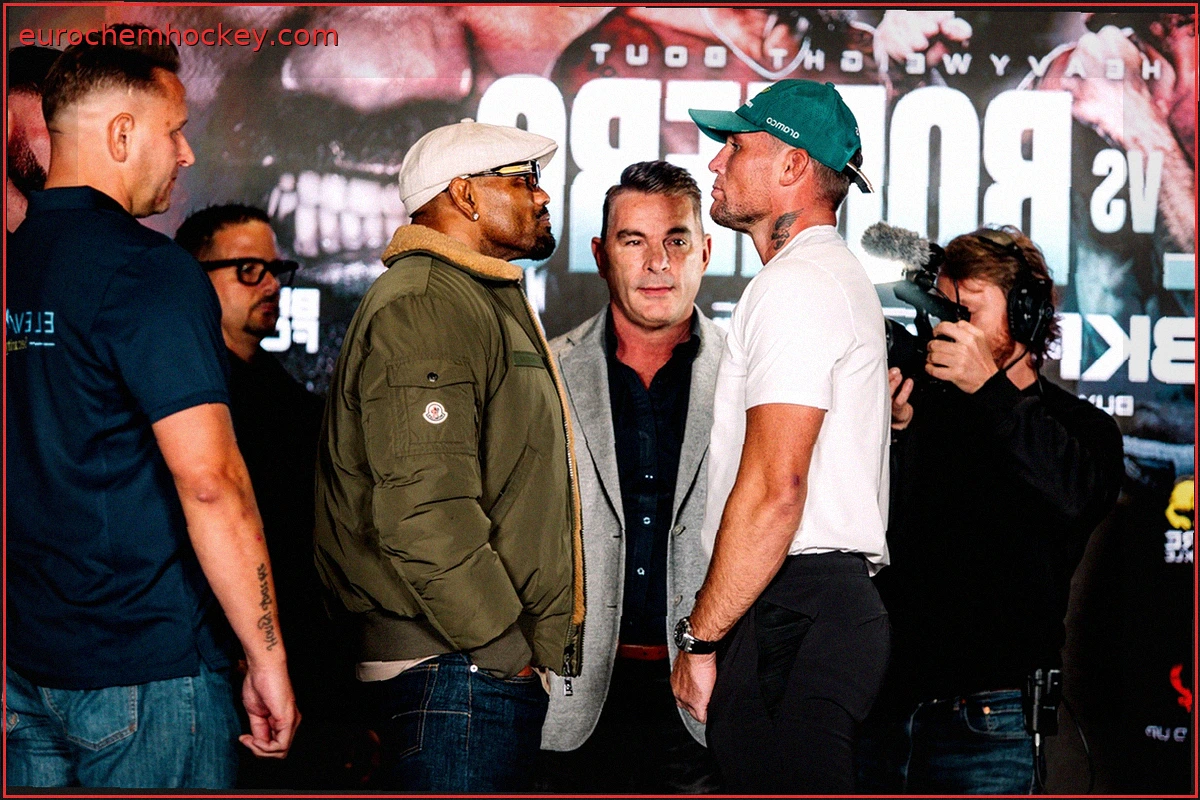
BKFC 94 Press Conference: Till vs. Romero Showdown Ahead
Bare Knuckle Fighting Championship (BKFC) convened its final press conference in Manchester, UK, on September 24, 2026. The event, BKFC 94, is scheduled for this Saturday, September 26, at the AO Arena and will be broadcast globally on DAZN. David Feldman, BKFC Founder and President, hosted th

Highlight Reels: A Simple Guide for Amateur Fighters and Coaches
Most gyms record sparring, but footage often goes unused. Video is a valuable coaching tool and a fast track for amateur fighters to gain recognition from promoters. Matchmakers won't review lengthy, unedited clips. Instead, they'll watch a single, concise highlight reel. Creating one is strai

Solomon Renfro Arrested After Allegedly Assaulting Woman in New York
New York-based mixed martial artist Solomon Renfro, 29, was arrested on Sunday. Police responded to a 911 call at 47 Madison St. in Chinatown around 5:55 a.m. They found a 22-year-old woman with scratches and bruises on her chest and arms. The victim received medical attention at the scene.